People, history and public life
Dzaleka Encyclopedia
A reference to Dzaleka Refugee Camp, its people and the communities connected to it. Read biographies, explore its history and follow the sources.
81 entries · 176 linked sources · latest entry review September 2026
Browse the encyclopedia
Browse A–Z, or narrow the list by subject and entry type. People are listed by family name where available.
81 entries
People
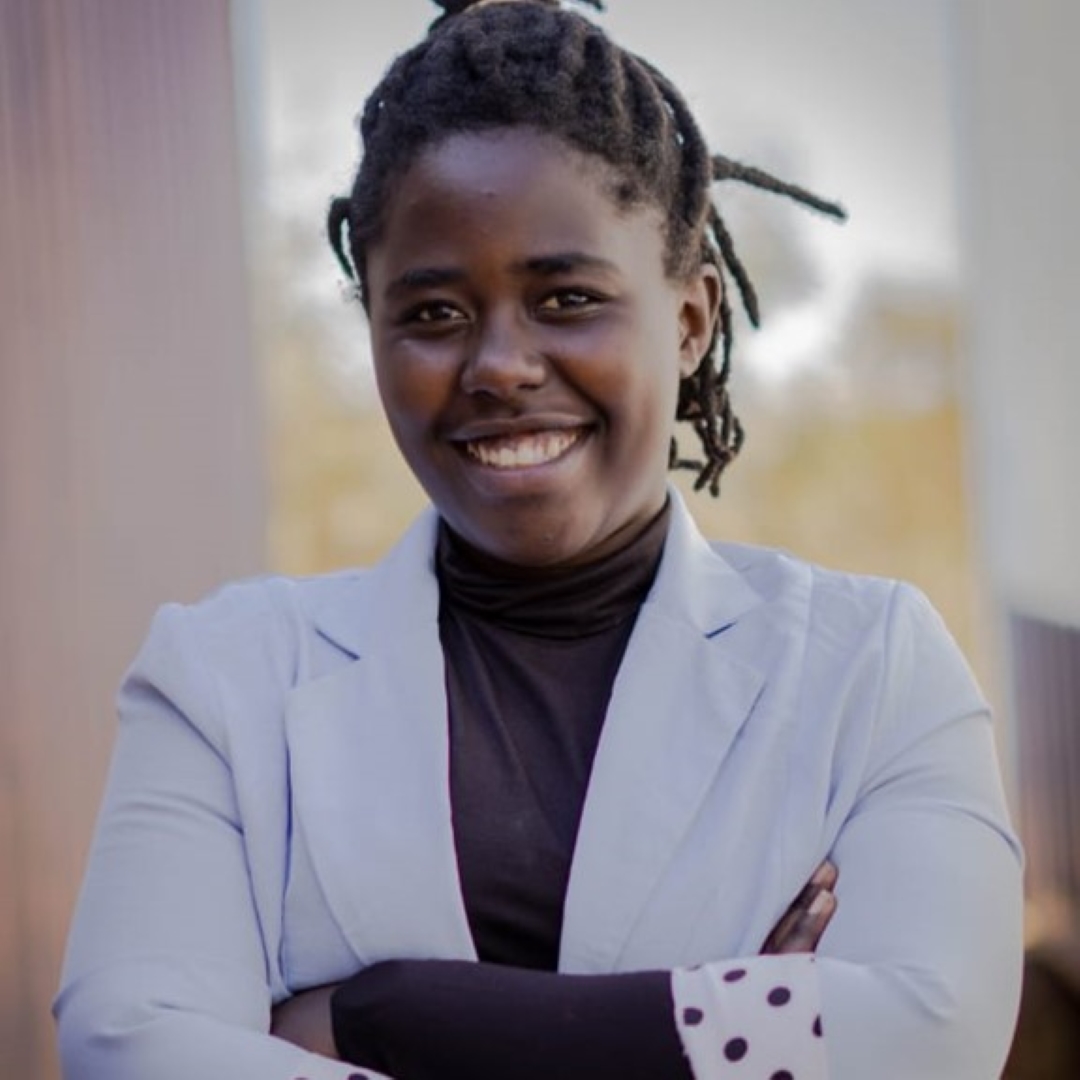
Angela Abizera
Rwandan-born poet and education advocate raised in Dzaleka, a poetry team leader in the camp's arts scene and a Global Youth for Education in Emergencies panel member.
3 sources
Education
Access to Higher Education in Dzaleka (York University Thesis)
A York University master's thesis examining oral histories of refugee youth accessing tertiary digital education and aspirational identity formation in Dzaleka Refugee Camp.
2 sources
Education
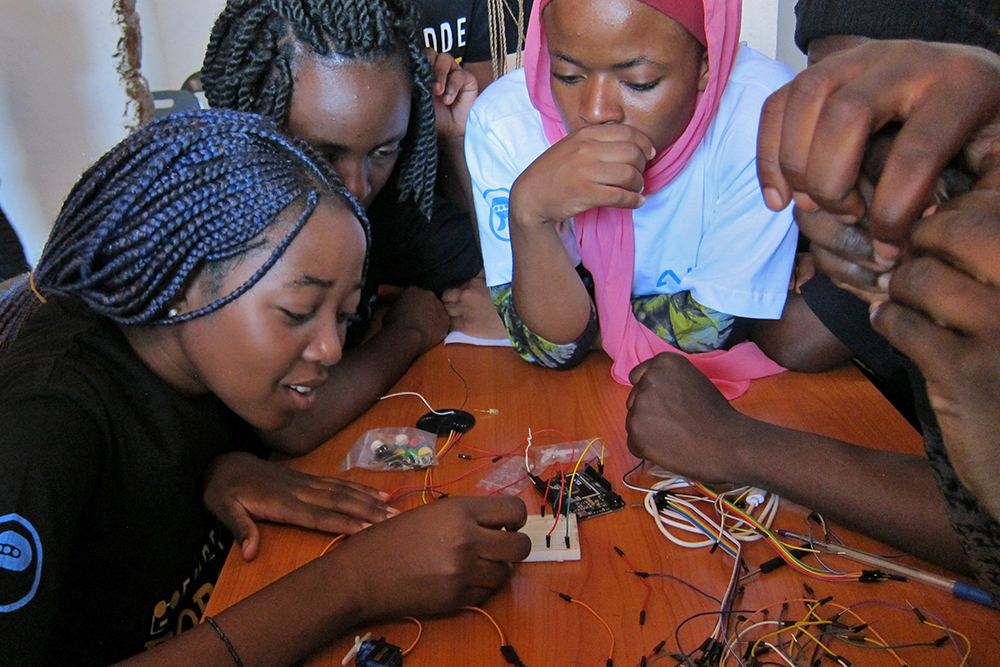
ADAI Circle
A refugee-founded technology education organisation established in Dzaleka in 2020, teaching artificial intelligence, data science, and software development, with an innovation hub that offers internet access.
3 sources
Culture
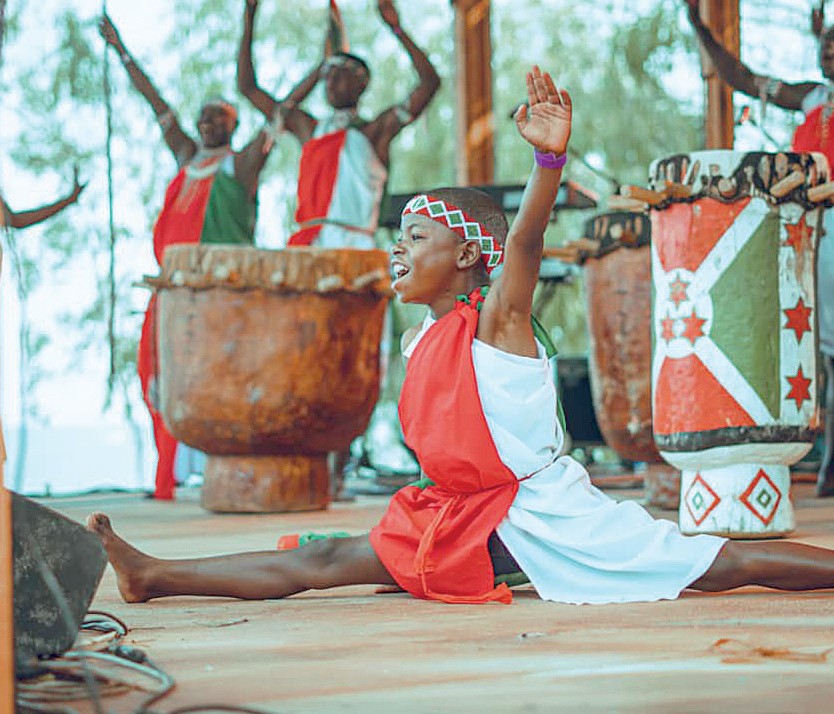
Amahoro Burundian Drummers
A Burundian royal drumming troupe founded by young refugees at Luwani camp in 2006 and now based in Dzaleka, performing at festivals, corporate events, and presidential functions across Malawi.
2 sources
People
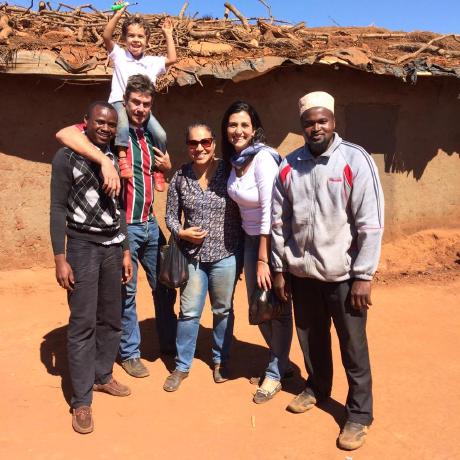
Amisi Hassan Jospin
Refugee AI researcher, machine learning developer at Rexplore Research Labs, MIT Emerging Talent fellow, and co-founder of ADAI Circle.
3 sources
Culture
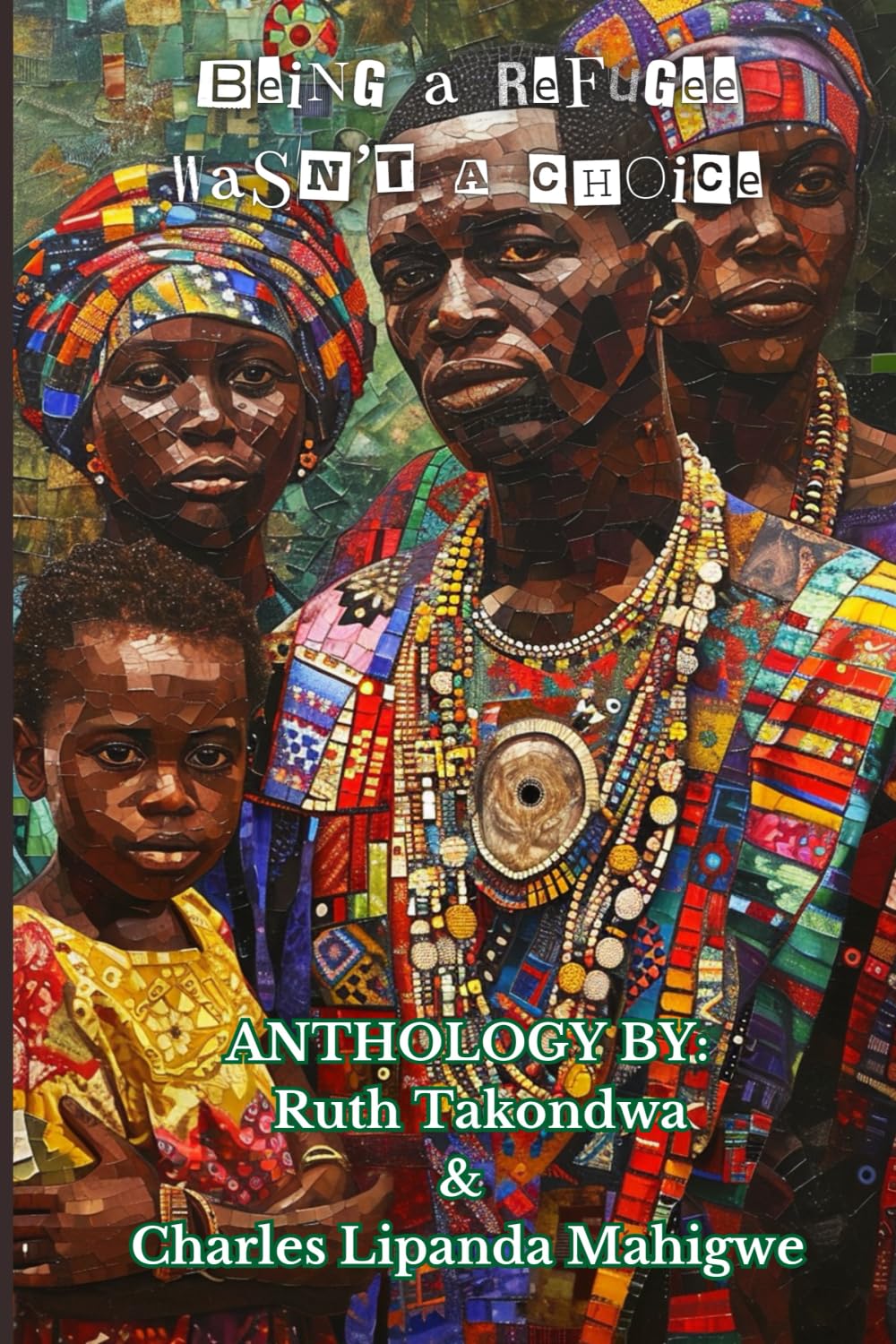
Being a Refugee Wasn't a Choice
A 2025 poetry anthology assembled by Charles Lipanda Mahigwe, Ruth Takondwa, and Salvador Cap Bic, bringing together more than fifty voices on displacement, identity, injustice, and life connected to Dzaleka.
4 sources
People
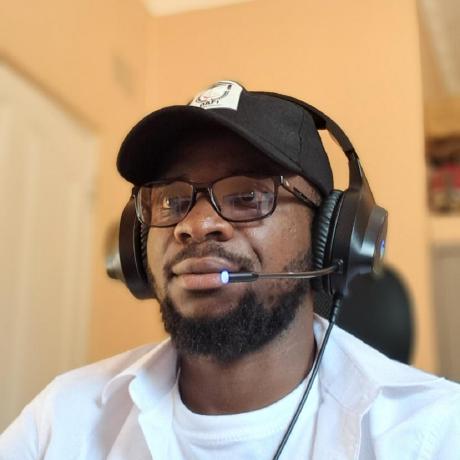
Byamasu Patrick Paul
CEO and Chief Research Scientist at Rexplore Research Labs, tech educator, and co-founder of ADAI Circle in Dzaleka Refugee Camp.
2 sources
People
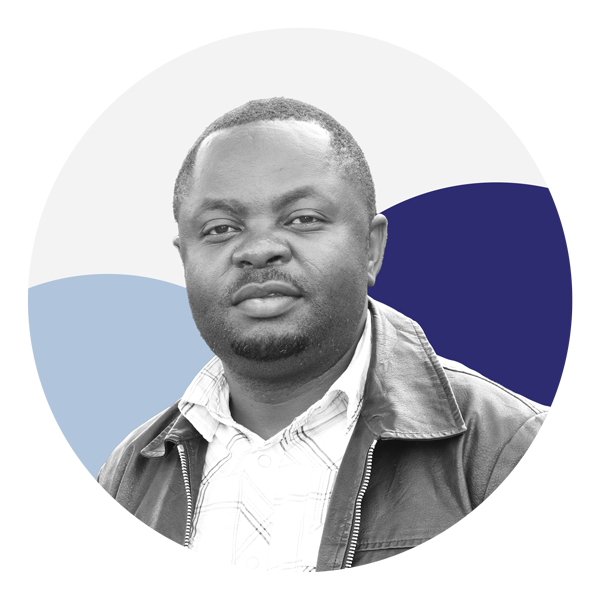
Marcel Cirhuza
Congolese humanitarian who spent years as a refugee in Dzaleka and founded Fountain of Hope Africa; named a 2023 Obama Foundation Leaders Africa participant.
3 sources
People · Developing entry
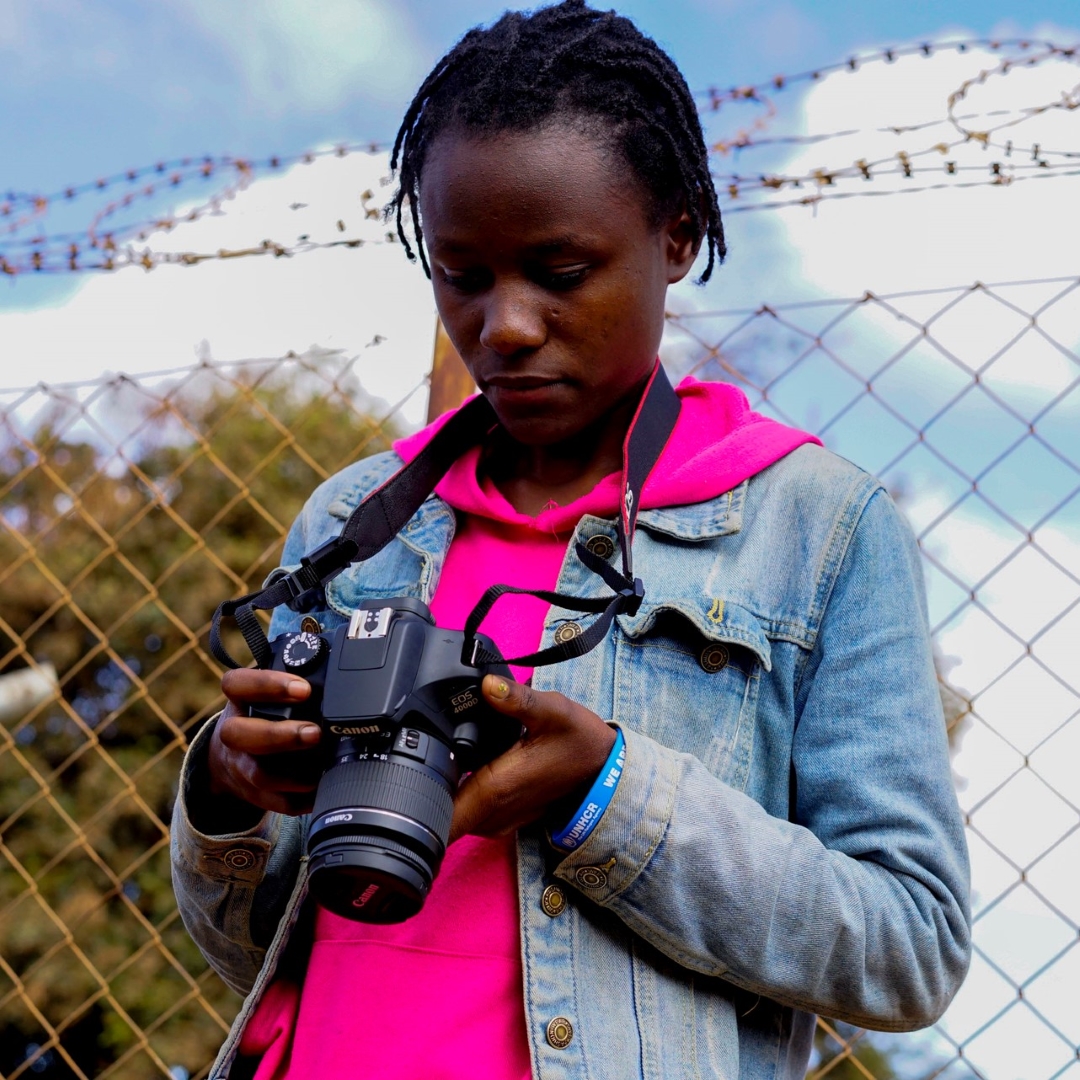
Clementine (U-Cley)
Rwandan photographer and videographer profiled in Dzaleka whose work challenged gender barriers in photography and developed into a source of income.
1 source
People
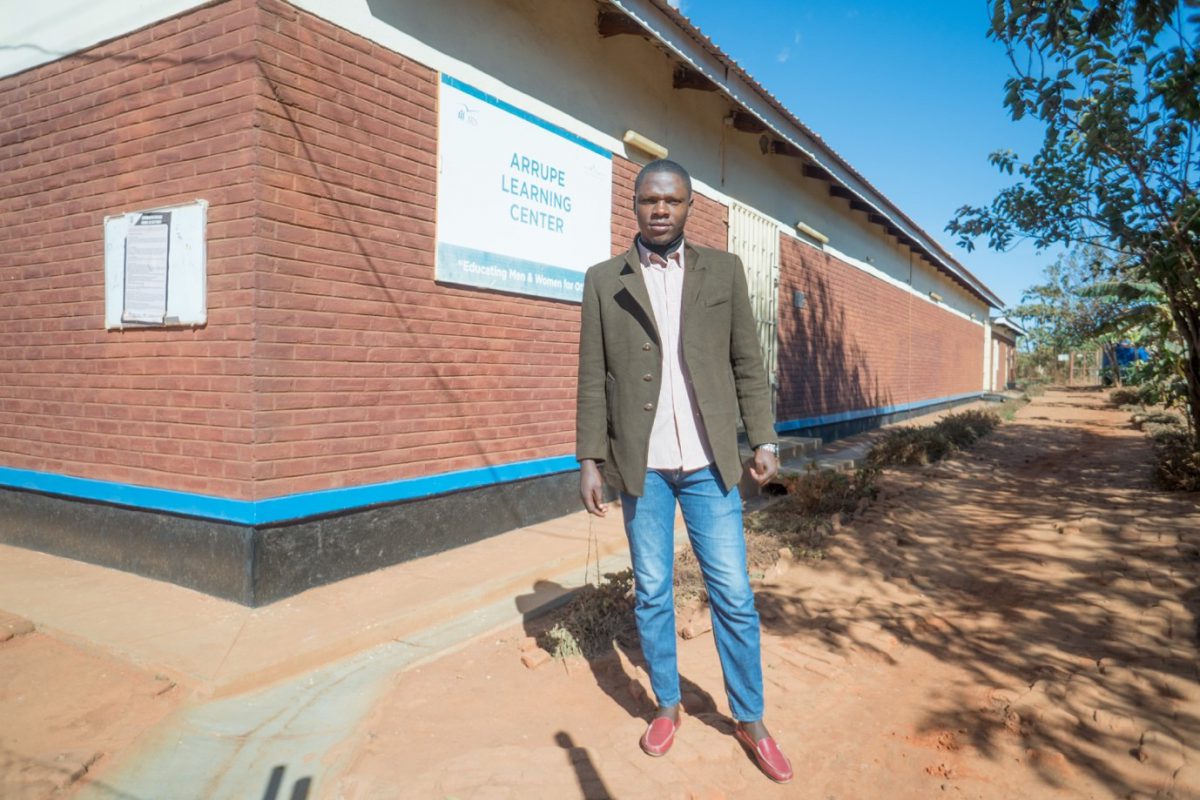
Stany Mwamba Dibwe
Congolese technology learner and facilitator whose work in Dzaleka connected AppFactory training, online livelihoods, and peer education.
1 source
Education · Developing entry
Dzaleka AppFactory
A software-development training programme launched in Dzaleka in 2017 through Microsoft 4Afrika and UNHCR's Connectivity for Refugees initiative.
3 sources
Culture
Dzaleka Art Project
A community-based documentation project about the artists living as refugees in Dzaleka, started by folklorist Lisa Gilman after she attended the 2021 Tumaini Festival.
3 sources
Health
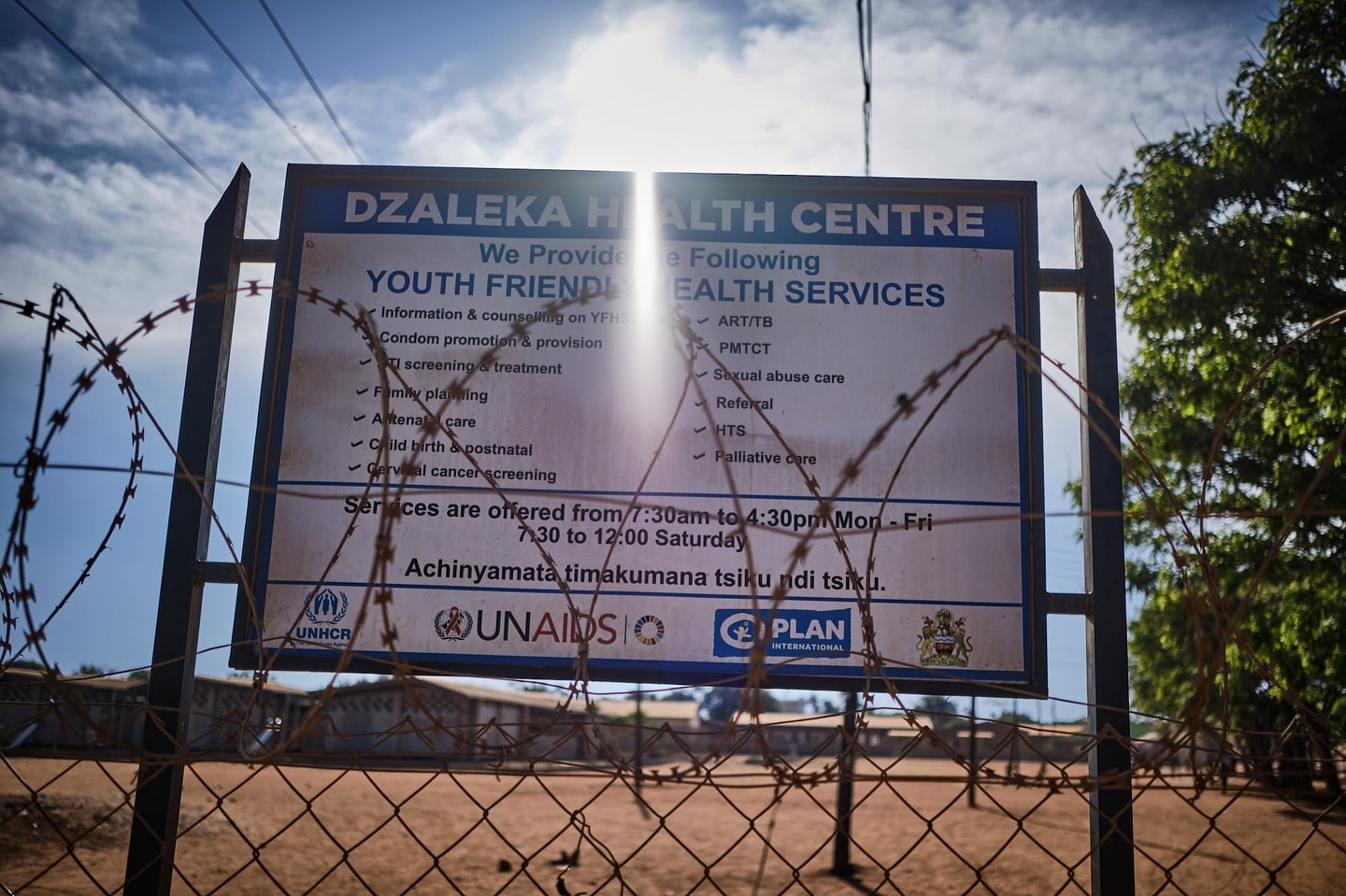
Dzaleka Health Centre
The primary health facility inside Dzaleka, serving refugees, asylum-seekers, and surrounding communities in Dowa District.
3 sources
Infrastructure
Dzaleka Mapping Project
A MapMalawi initiative that combined drones, OpenStreetMap, field mapping, and community training to document buildings and essential services at Dzaleka.
2 sources
Place
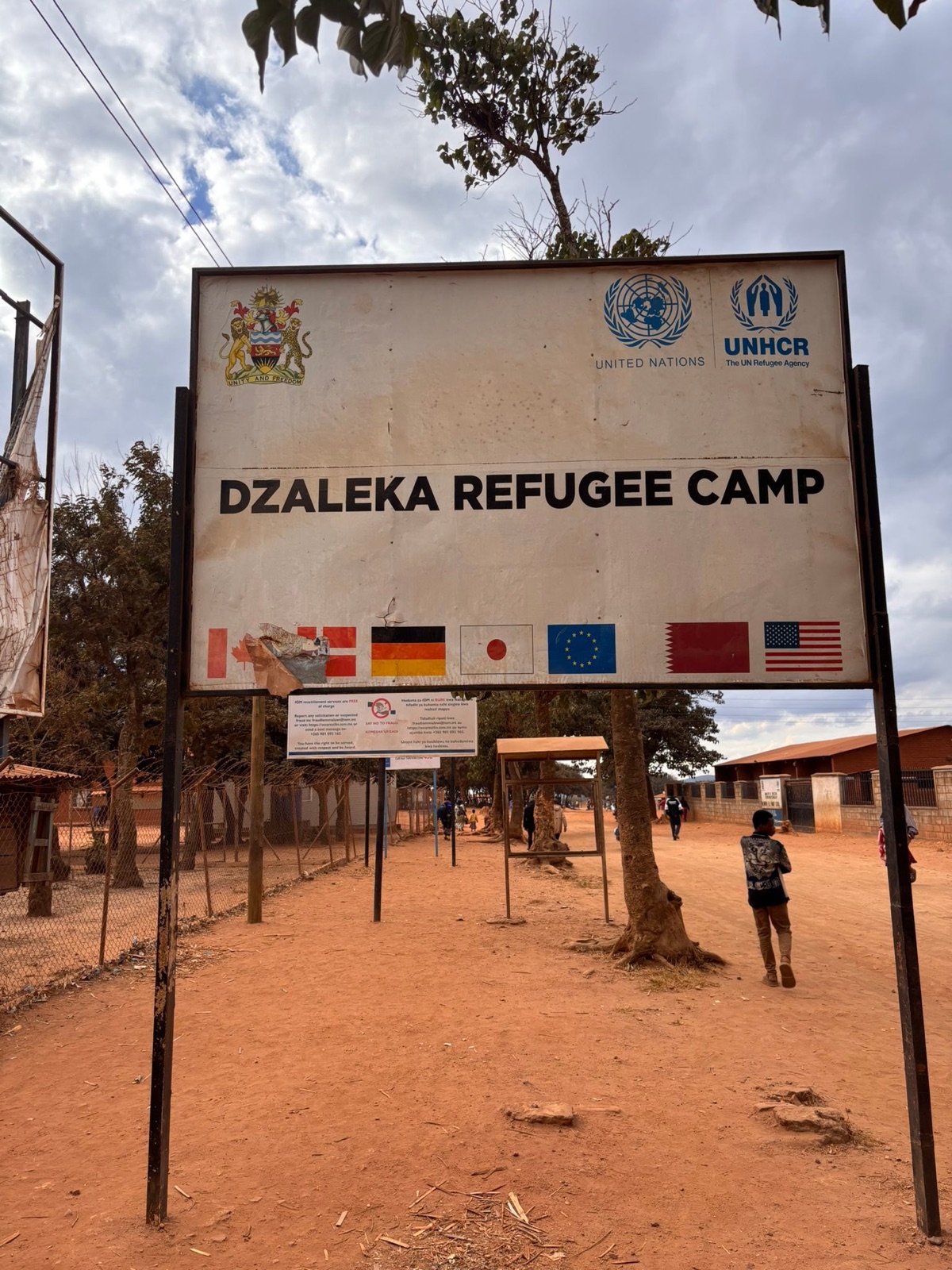
Dzaleka Refugee Camp
A long-established refugee settlement in Dowa District, Malawi, opened in 1994 and now home to a large, multilingual community from the Great Lakes region and the Horn of Africa.
5 sources
Education
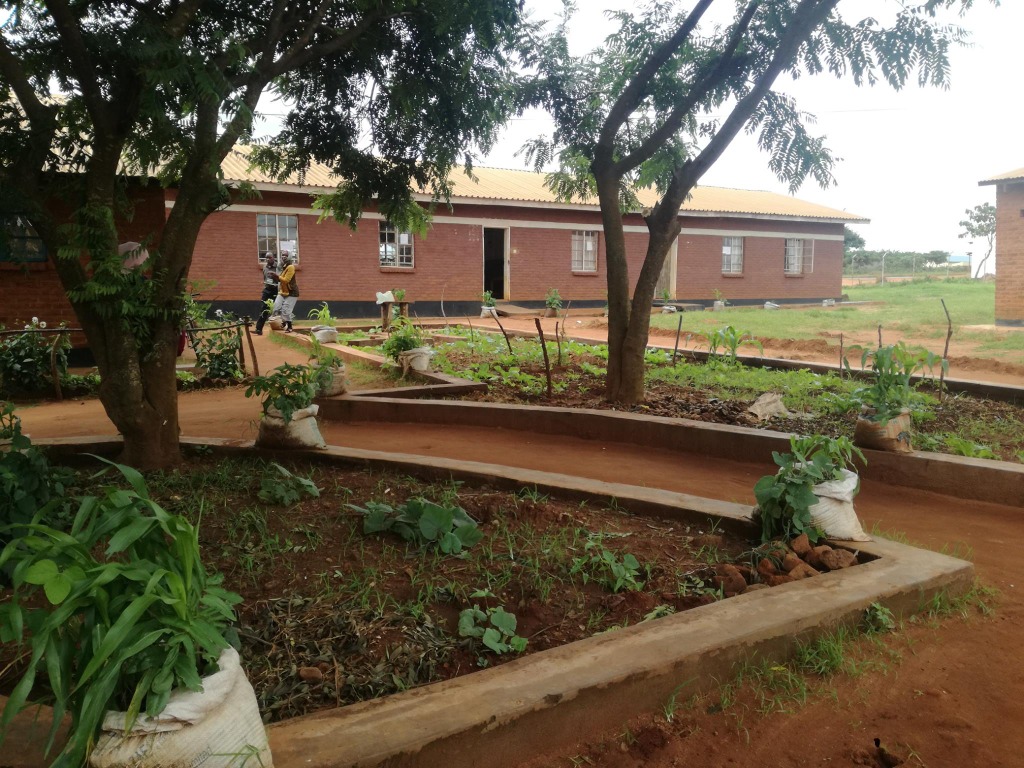
Education in Dzaleka
Public, private, community, and post-secondary education in Dzaleka, including the Malawi curriculum and long-running scholarship and digital-learning programmes.
2 sources
Infrastructure
Energy and cooking
A reference entry on household energy in Dzaleka: reliance on firewood and charcoal, the burdens of biomass cooking, and the 2022–2024 solar electric cooking pilot run by MECS and the World Food Programme.
3 sources
Infrastructure
Environmental and Socio-Economic Impact of Dzaleka (UNISA Dissertation)
A 2016 University of South Africa doctoral dissertation examining the environmental, forestry, groundwater, and socio-economic effects of Dzaleka Refugee Camp on surrounding host villages in Dowa District.
2 sources
People
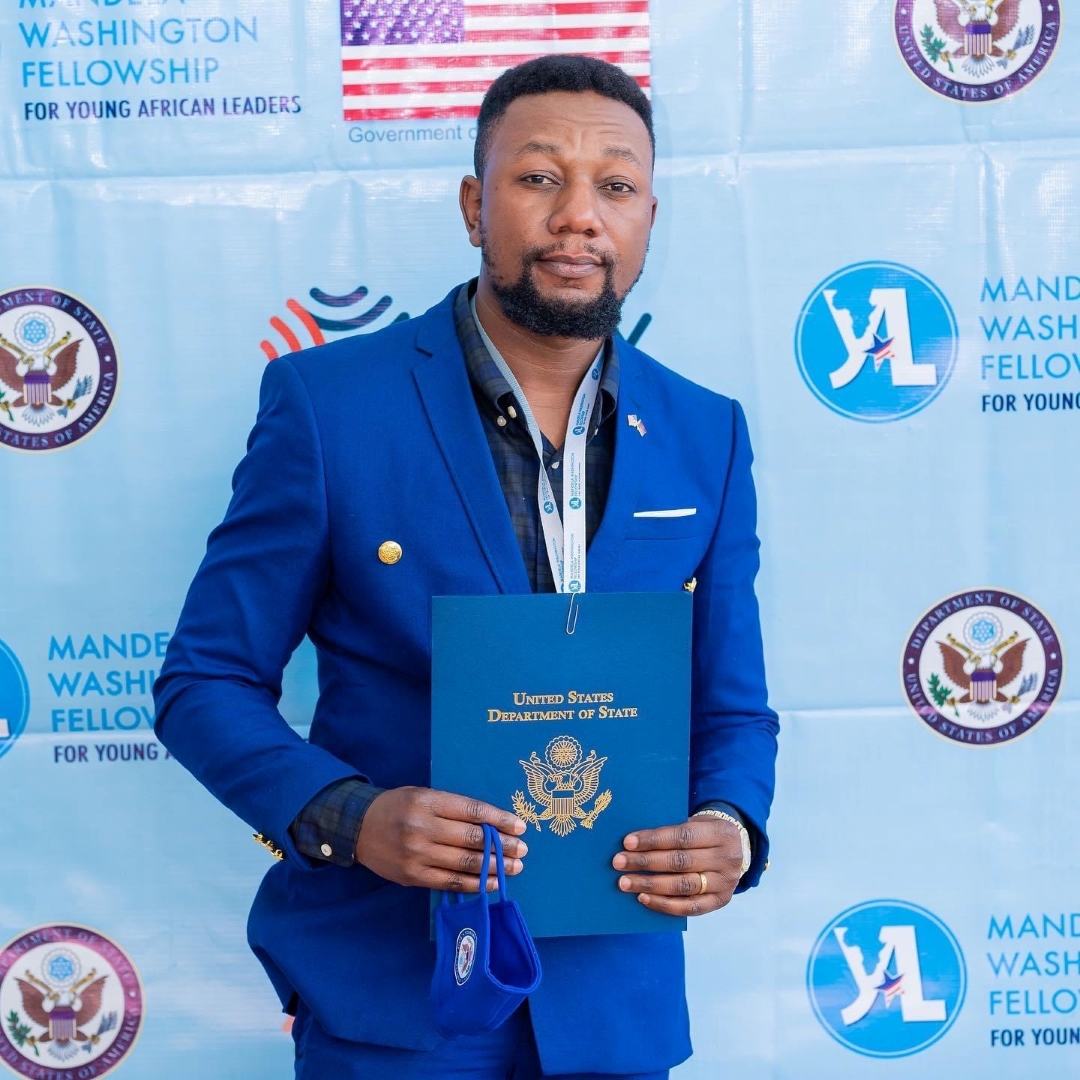
Toussaint Farini Buunda
Congolese community organiser who co-founded Salama Africa and expanded arts and learning opportunities for young people in Dzaleka.
3 sources
Health
Fertility and family planning in the 2024 MDHS
Survey estimates for fertility, age at first birth, teenage pregnancy, contraceptive use and unmet family-planning need among women in Dzaleka.
3 sources
Health
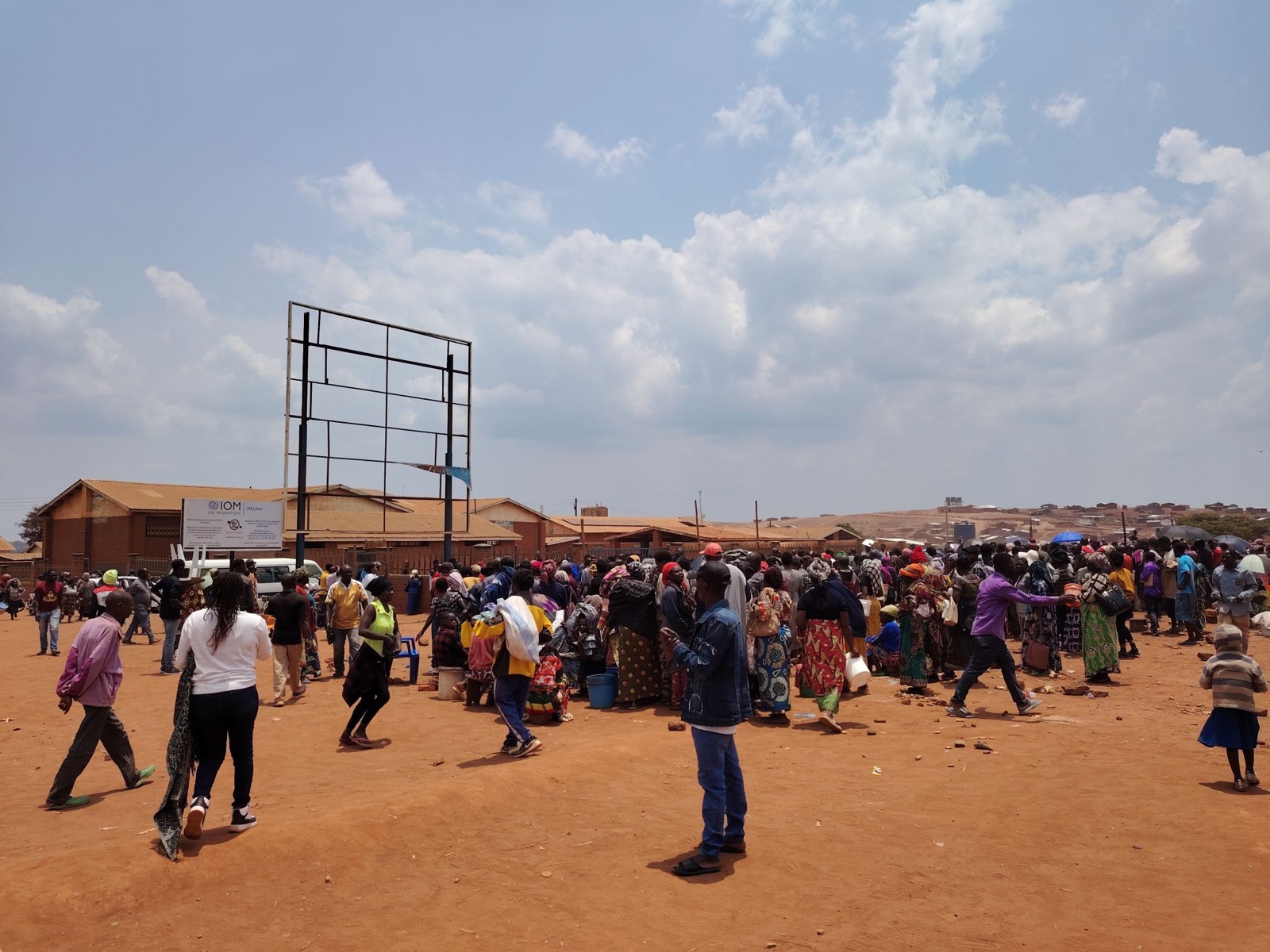
Food security and assistance
The food and cash assistance system at Dzaleka, the effects of funding shortfalls, and the evidence used to assess household food security.
3 sources
History
2023 forced relocation to Dzaleka
A 2023 Malawi government campaign to enforce the encampment policy, ordering refugees living outside Dzaleka to return by April and forcibly relocating people from May, documented by Human Rights Watch.
3 sources
Institution
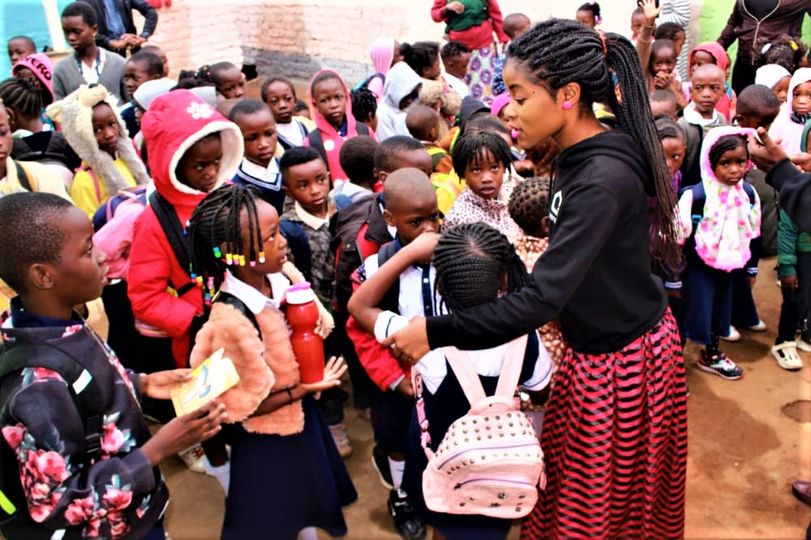
Fountain of Hope Africa
A refugee-led organisation founded by Marcel Cirhuza, who spent years in Dzaleka after fleeing eastern DRC, providing emergency and psychosocial support to refugees and host communities from a base in Dowa.
3 sources
People
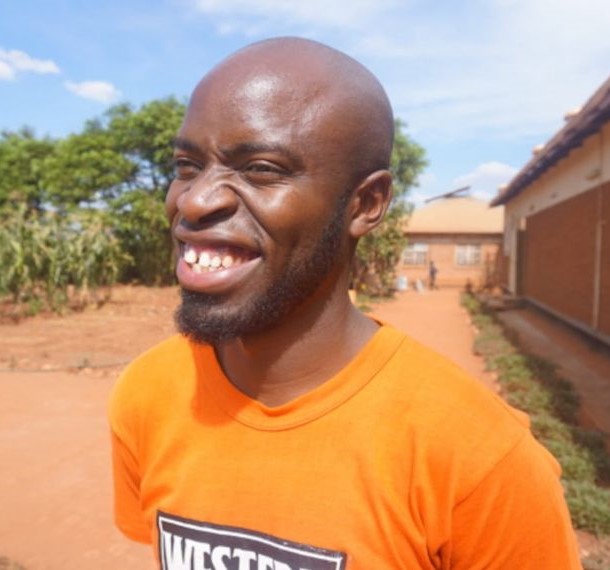
Remy Gakwaya
Burundian technologist and educator who founded TakeNoLab in Dzaleka and helped expand access to coding and digital skills in the camp.
3 sources
People
Lisa Gilman
Professor of Folklore and English at George Mason University and co-founder of the Dzaleka Art Project, documenting artistic expression, dance, and music among refugees in Dzaleka.
2 sources
Health
2024 health, nutrition and population study
The Dzaleka component of the 2024 Malawi Demographic and Health Survey: how 720 selected households were sampled and what the resulting report can and cannot establish about the camp.
4 sources
History
History of Dzaleka
How Dzaleka developed from a camp opened in 1994 into Malawi's principal refugee settlement, including the consolidation of residents from Luwani and decades of population growth.
4 sources
History
Host community and Dowa District
A reference entry on Dzaleka's location in Dowa District, its relationship with the surrounding Malawian host community, and the programmes that include host residents alongside refugees.
3 sources
Infrastructure
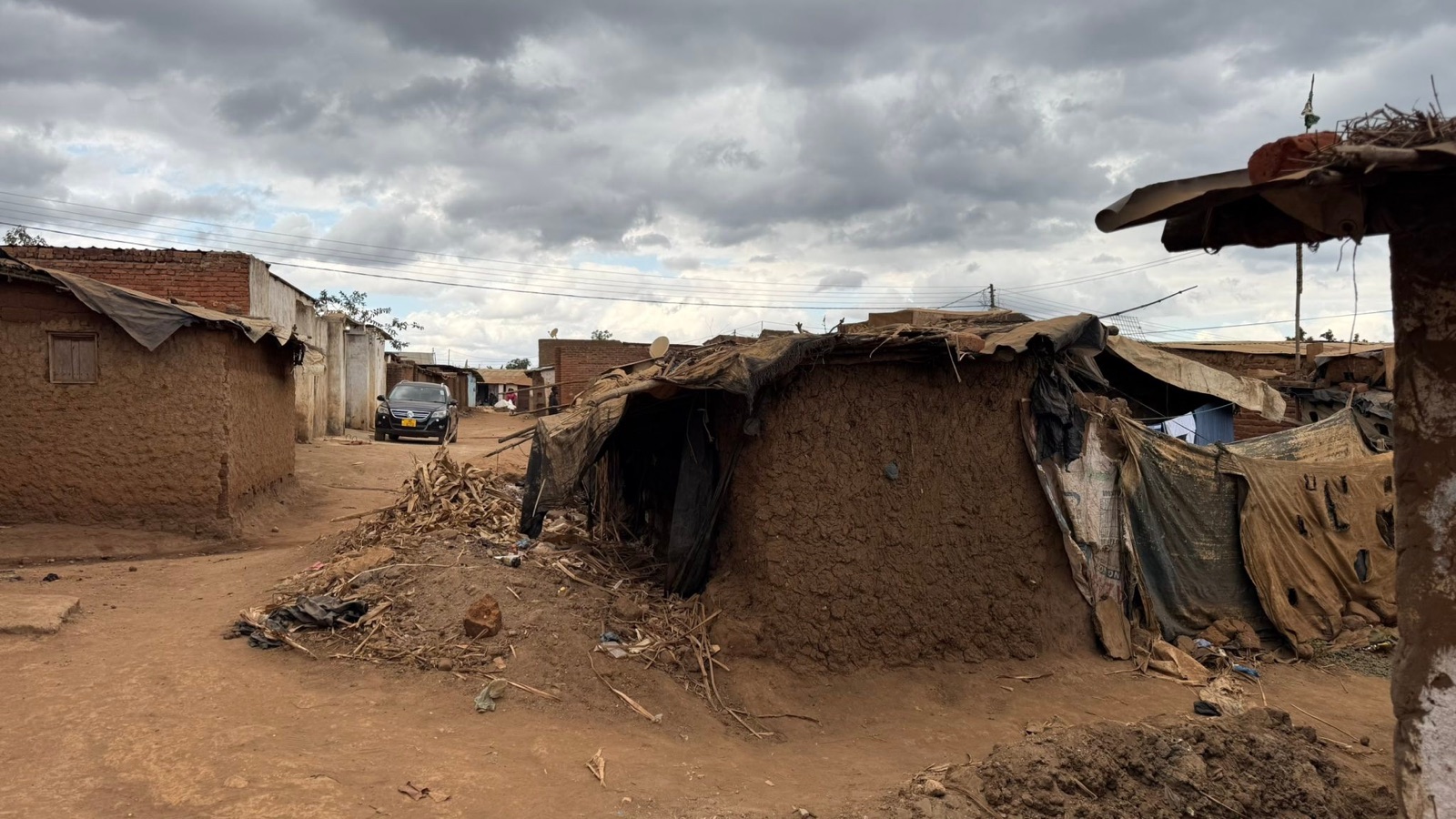
Household conditions in the 2024 MDHS
Dzaleka survey findings on electricity, flooring, water, sanitation, household composition, birth registration, literacy, internet use and health insurance in 2024.
3 sources
Infrastructure
Housing and overcrowding
Housing conditions in a settlement holding more than four times its planned population, where limited land affects shelter, drainage, sanitation, roads, and public space.
3 sources
Culture
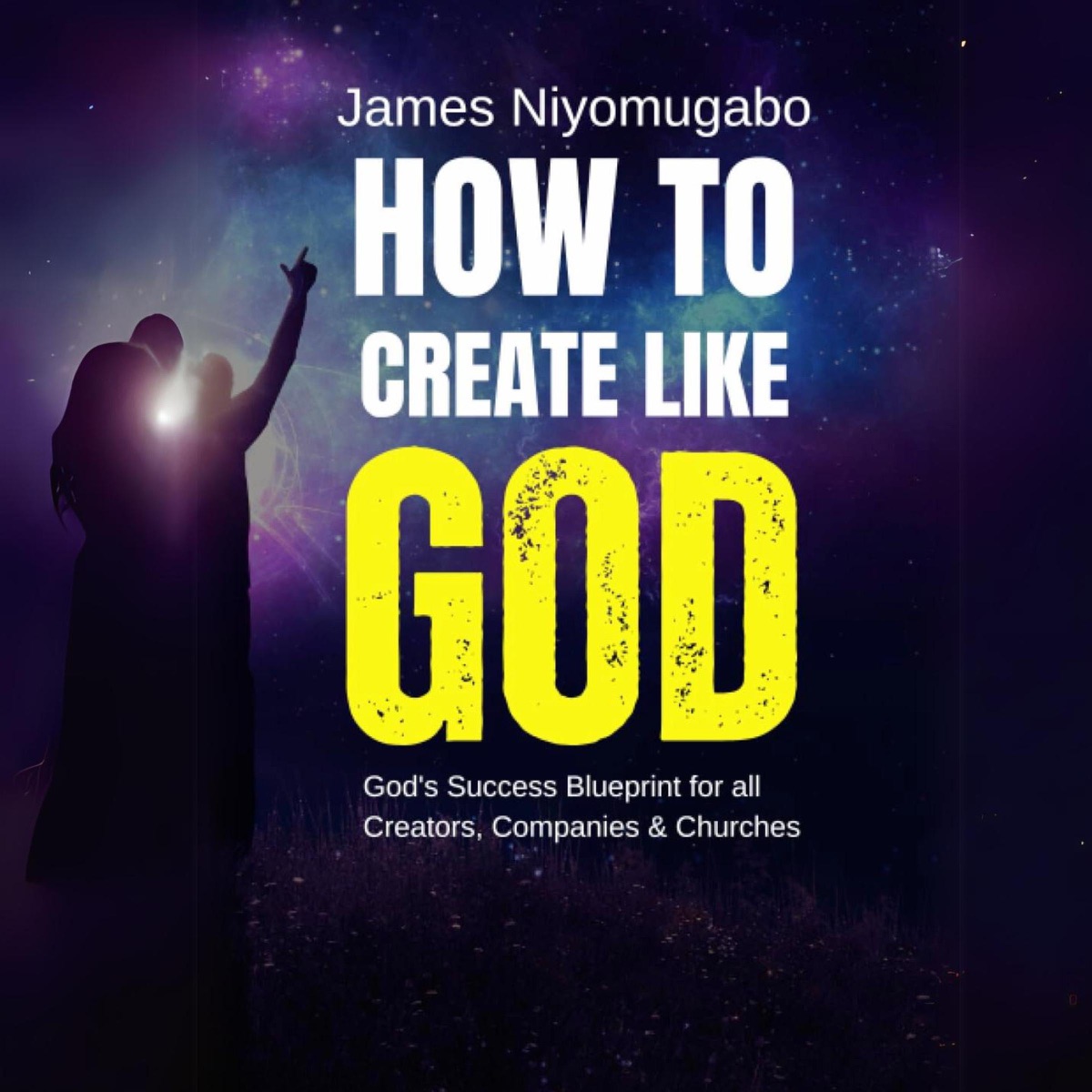
How To Create Like God
James Niyomugabo's faith-based guide to creativity and entrepreneurship, published in paperback in 2023 and as an unabridged audiobook in 2024; Niyomugabo spent about a decade in Dzaleka before resettling in Canada.
5 sources
Institution
Inua Advocacy
A refugee-rights organisation founded by Innocent Magambi that works on legal assistance, policy reform, accountability, emergency support, and public understanding of refugee life in Malawi.
3 sources
People
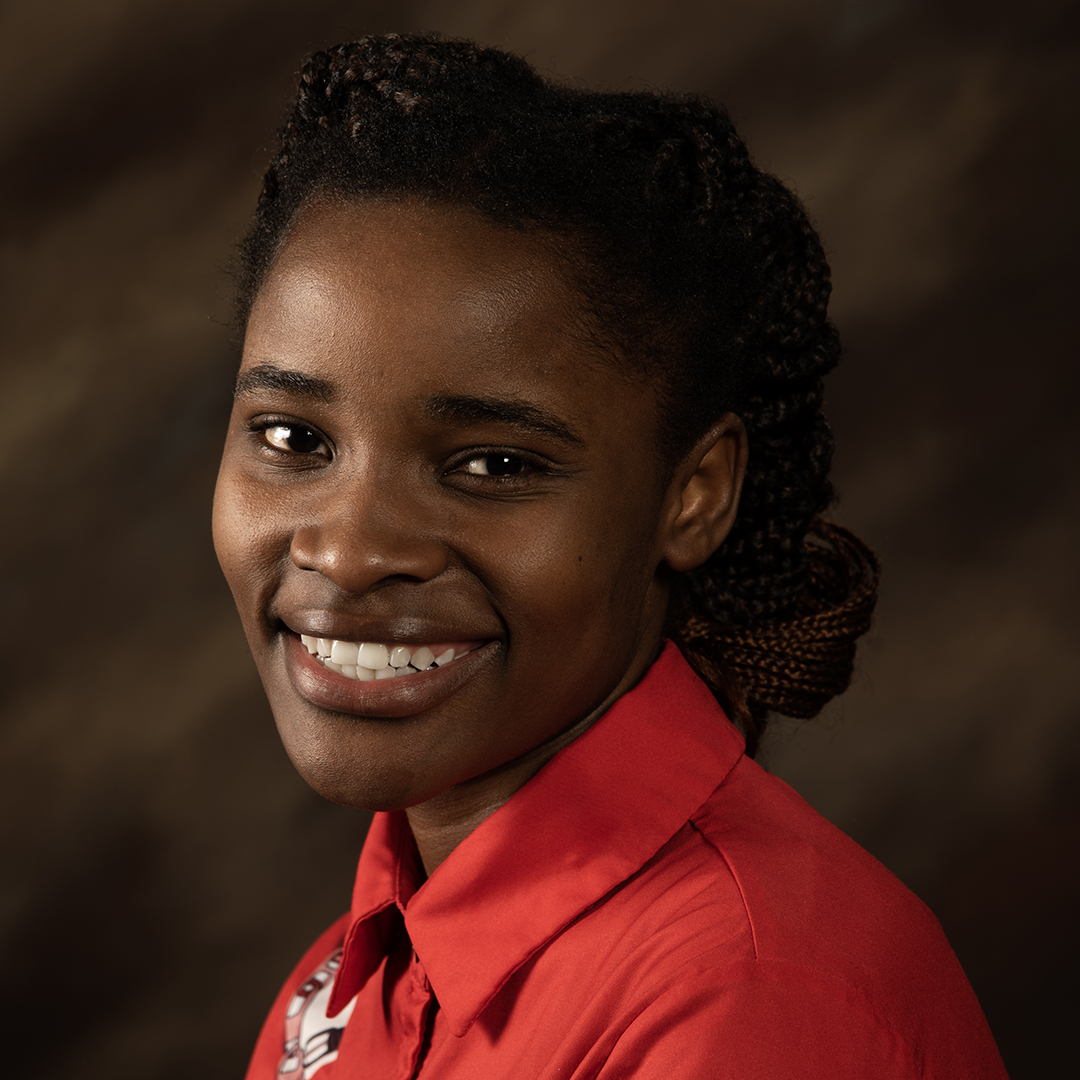
Divine Irakoze
Burundian refugee-rights and education advocate raised in Dzaleka who has organised youth support, written about displacement, and spoken at the United Nations.
3 sources
Culture
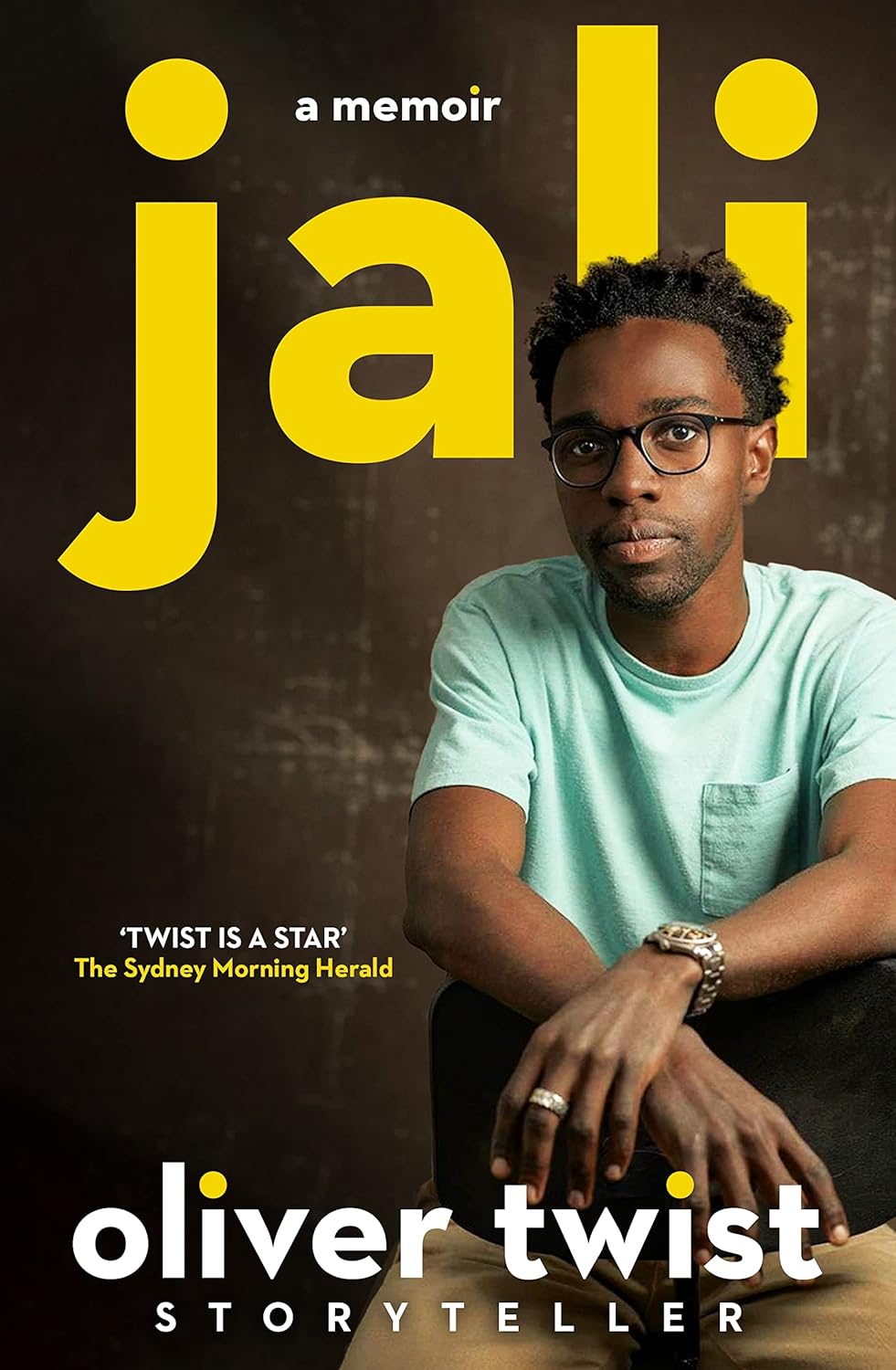
Jali
Oliver Twist's 2023 memoir about fleeing Rwanda, growing up in a refugee camp in Malawi, and later rebuilding his life and creative career in Australia.
4 sources
Institution
Jesuit Refugee Service in Dzaleka
The education, livelihoods, psychosocial, pastoral, and basic-needs programmes operated by Jesuit Refugee Service in and around Dzaleka.
3 sources
Education
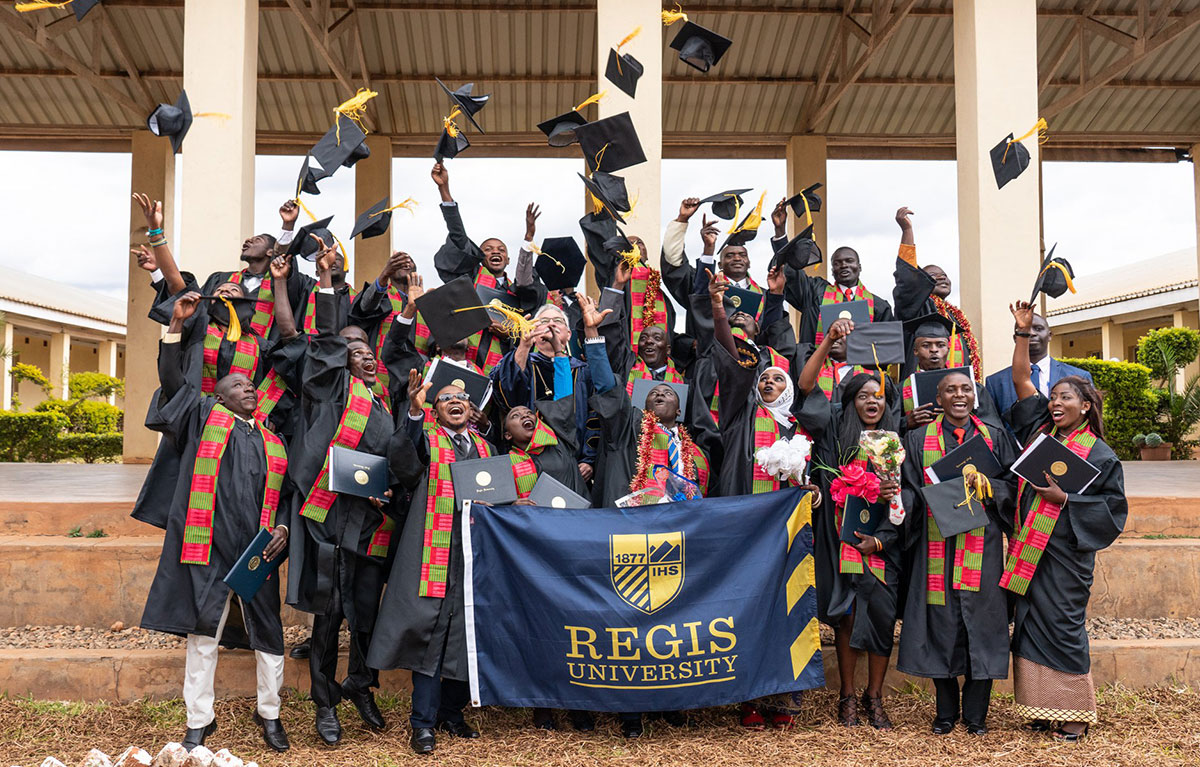
Jesuit Worldwide Learning
The blended higher-education programme whose Dzaleka learning centre has enabled refugees to earn accredited diplomas in liberal studies from Regis University, taught online by Jesuit university faculty.
3 sources
People · Developing entry
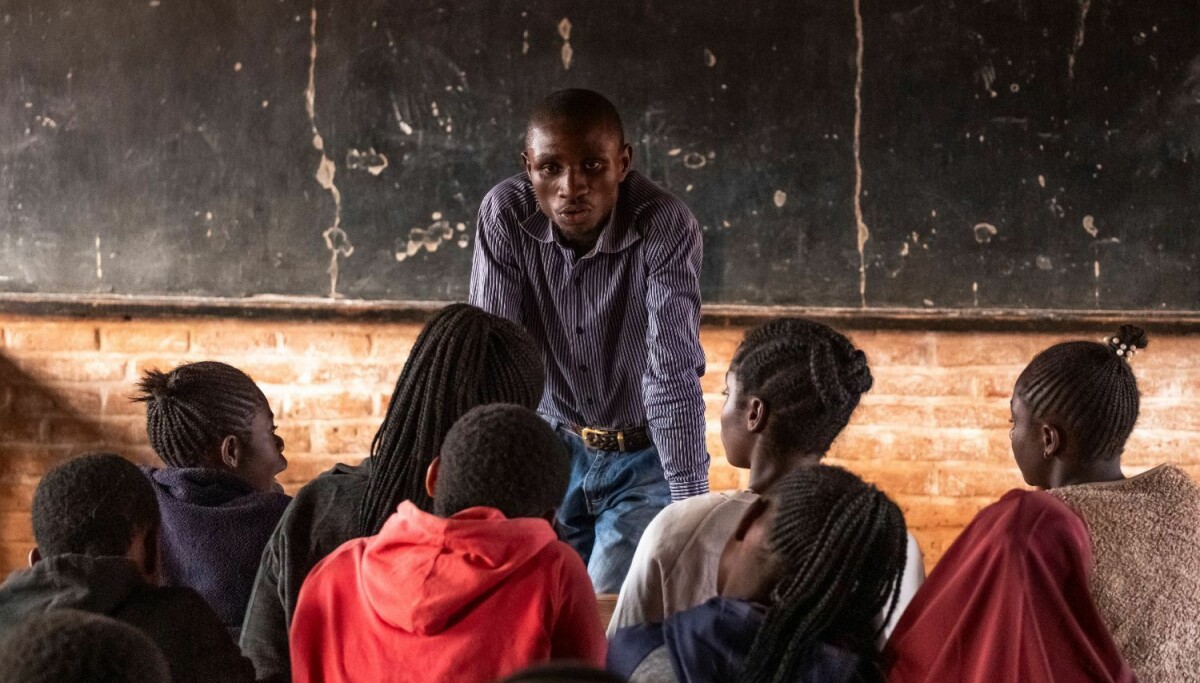
Espoir Kahitani
A spoken-word poet in Dzaleka, among the camp's most recognised young performers, featured in the HOME Storytellers documentary We Name Ourselves.
2 sources
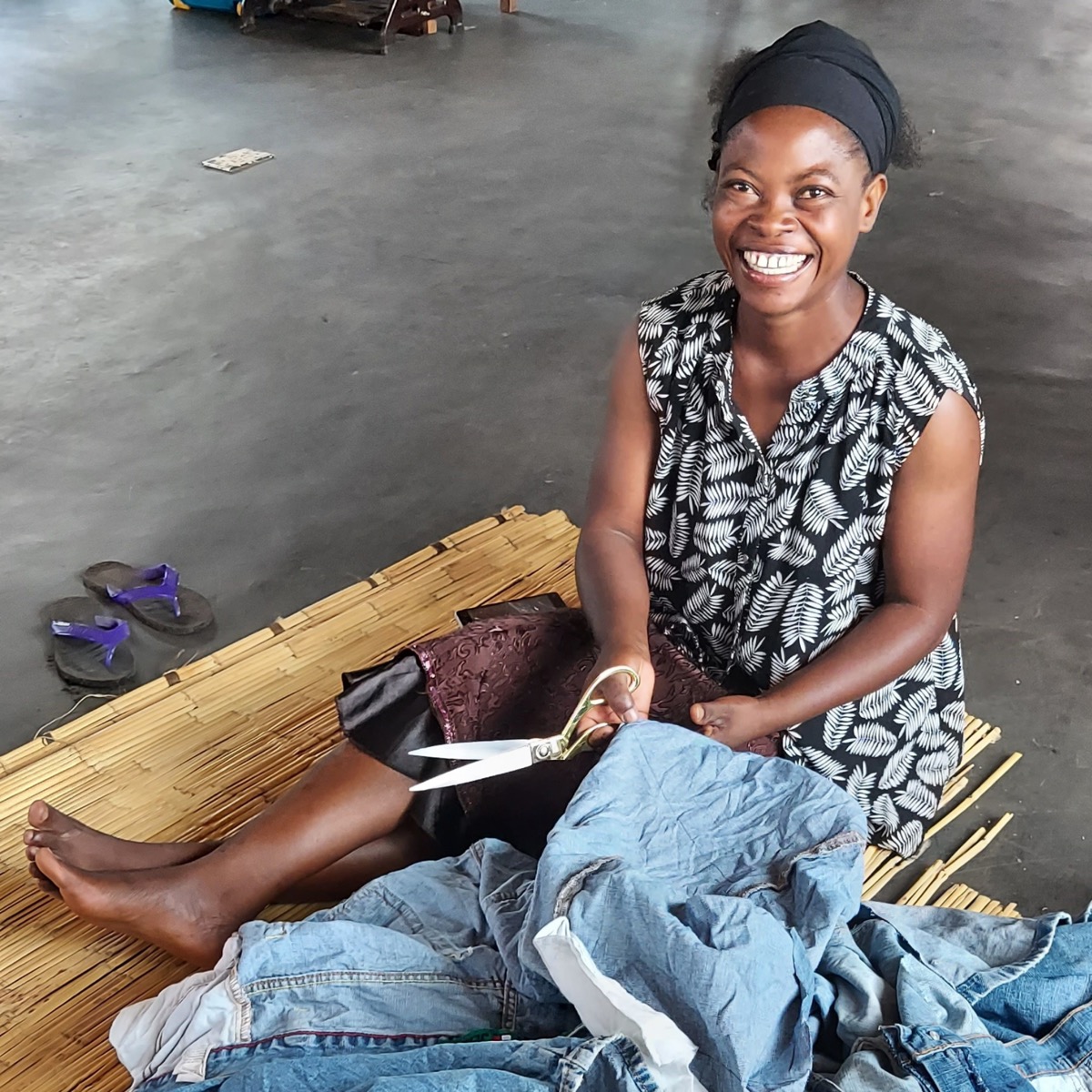
Institution
Kibébé
A social enterprise registered by There is Hope in 2017 that employs artisans from Dzaleka and the surrounding Dowa community to handcraft products from African print fabric and repurposed materials.
3 sources
People
Henriette Kiwele
Congolese software developer profiled for building locally focused Android applications while studying at the Dzaleka AppFactory.
2 sources
People
Njamba Koffi
Congolese writer who grew up in Dzaleka and Mpaka camps, published the memoir Refuge-E at twenty through a UWC scholarship path, and went on to study and work in Canada.
2 sources
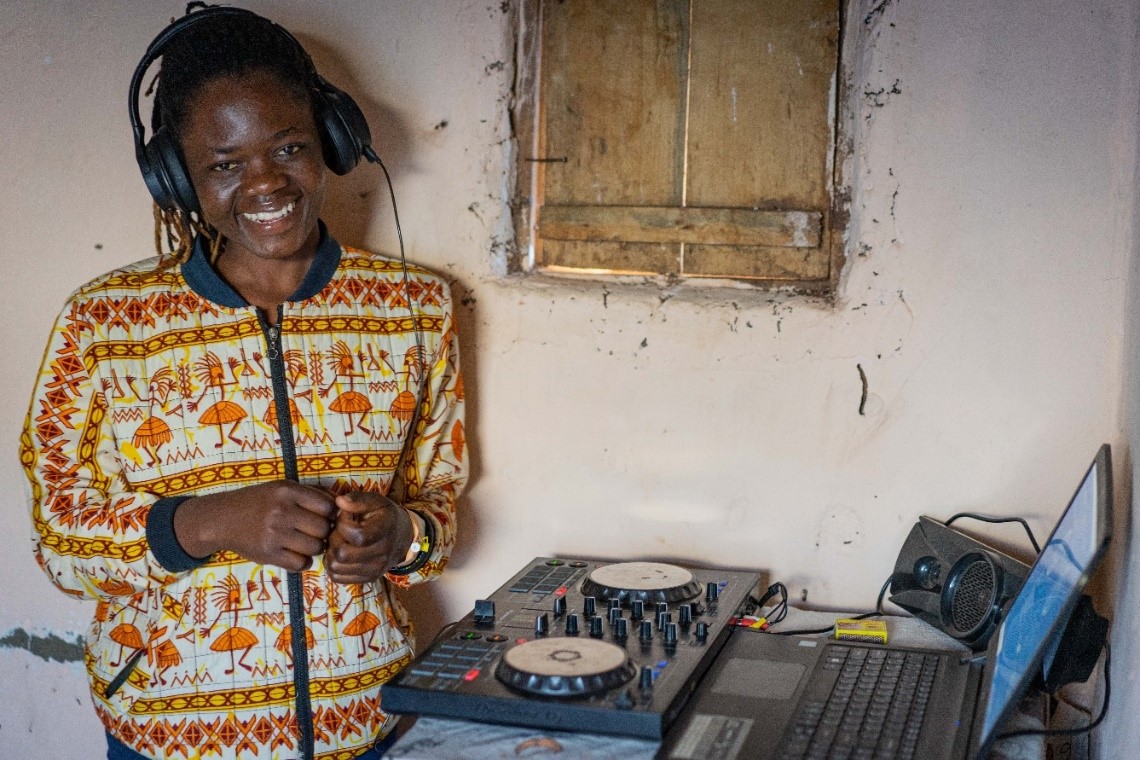
People
DJ La Pearl
Congolese DJ, also known as Goldine, profiled for developing her music practice and performing in and beyond Dzaleka.
2 sources
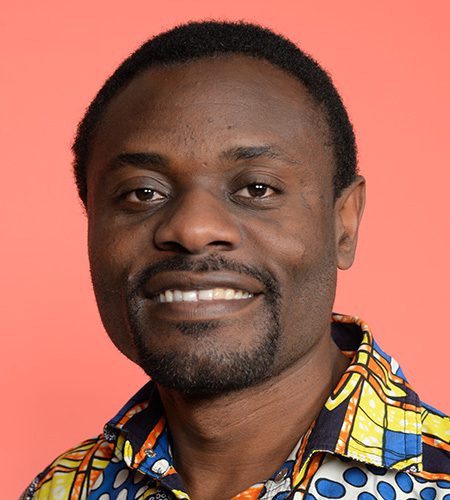
People
Menes la Plume
Congolese poet, musician, and cultural organiser who founded Tumaini Letu and the Tumaini Festival in Dzaleka.
2 sources
History
Refugee law and encampment policy in Malawi
The legal and policy framework that shapes residence, movement, education, work, and administration for refugees and asylum-seekers living at Dzaleka.
5 sources
Infrastructure
Livelihoods and the local economy
How residents earn income through trade, services, agriculture, creative work, training, and digital labour despite restrictions on movement and formal employment.
4 sources
People
Primo Luanda Bauma
Congolese photographer and filmmaker in Dzaleka who leads the photography team for the Dzaleka Art Project and runs free photography classes for young people in the camp.
2 sources
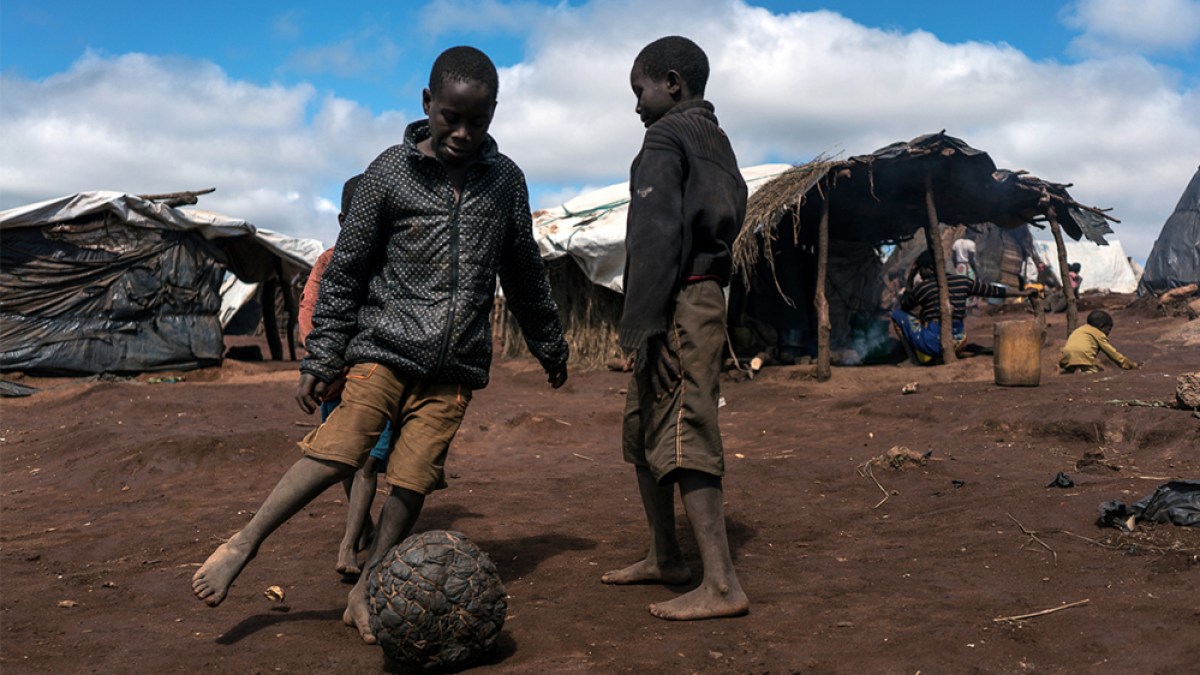
History
Luwani Refugee Camp
Malawi's other refugee camp, in Neno District: host to Mozambican refugees during the 1977–1992 civil war, closed in 2007 with its last residents moved to Dzaleka, briefly reopened in 2016.
5 sources
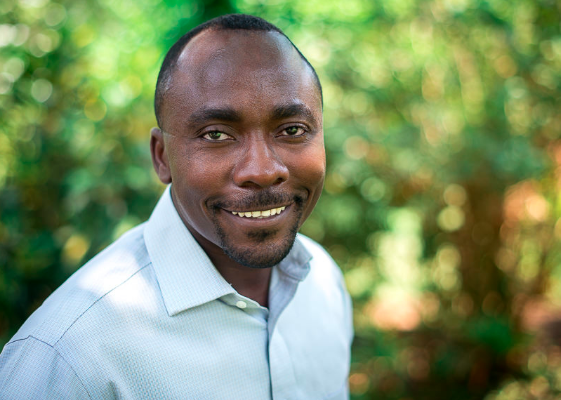
People
Innocent Magambi
Refugee-rights advocate and founder of There Is Hope, whose work grew from his experience living in Dzaleka and other refugee camps.
3 sources
Health
Maternal health and malaria in the 2024 MDHS
Survey findings on antenatal care, delivery, mosquito-net coverage, malaria prevention during pregnancy and malaria testing among young children in Dzaleka.
3 sources
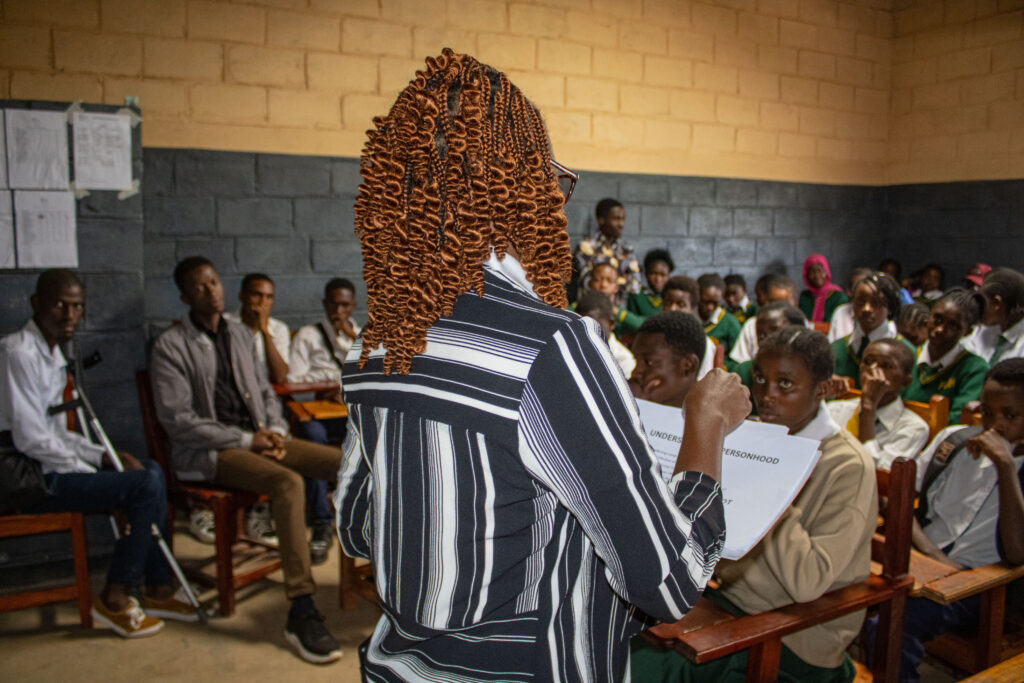
Health
Mental health in Dzaleka
A reference entry on the 2022 Psychiatry Research screening study, the gap between measured distress and available psychosocial services, and the organisations providing support in the camp.
4 sources
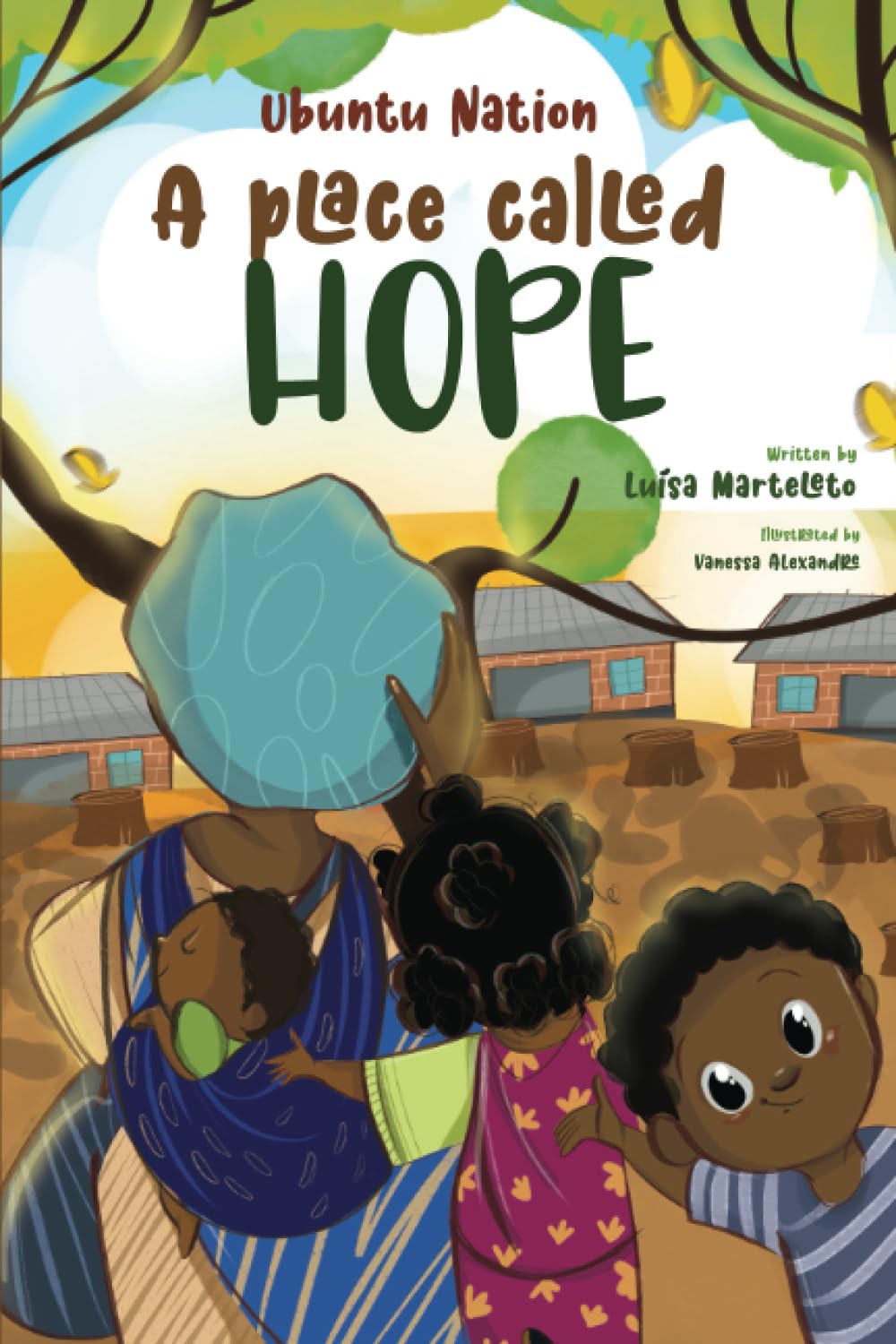
Culture
Nação Ubuntu: Um Lugar Chamado Esperança
Luísa Marteleto's illustrated book about a child whose family reaches Dzaleka and becomes involved with the Nação Ubuntu project; an English edition is titled Ubuntu Nation: A Place Called Hope.
3 sources
People
Gabriel Ndayishimiye
Writer who grew up as a refugee in Dzaleka after fleeing the 1994 Rwandan genocide, author of the memoir Run Elvin! and founder of the refugee-focused publisher LivenBooks.
2 sources
People
Joseph Ndereyimana
Rwandan author who fled the 1994 genocide and reached the newly established Dzaleka in 1995; his testimony was published as the memoir Walk This Way: The Journey of a Rwandan Refugee.
2 sources
People · Developing entry
James Niyomugabo
Spoken-word poet whose education began in Dzaleka after his family fled the Burundian civil war, later based in South Africa and Canada; author of the anthology Make Africa Great Again.
2 sources
History
Population and demography
A dated guide to population figures for Dzaleka and Malawi's refugee population, including countries of origin and why totals vary between reports.
3 sources
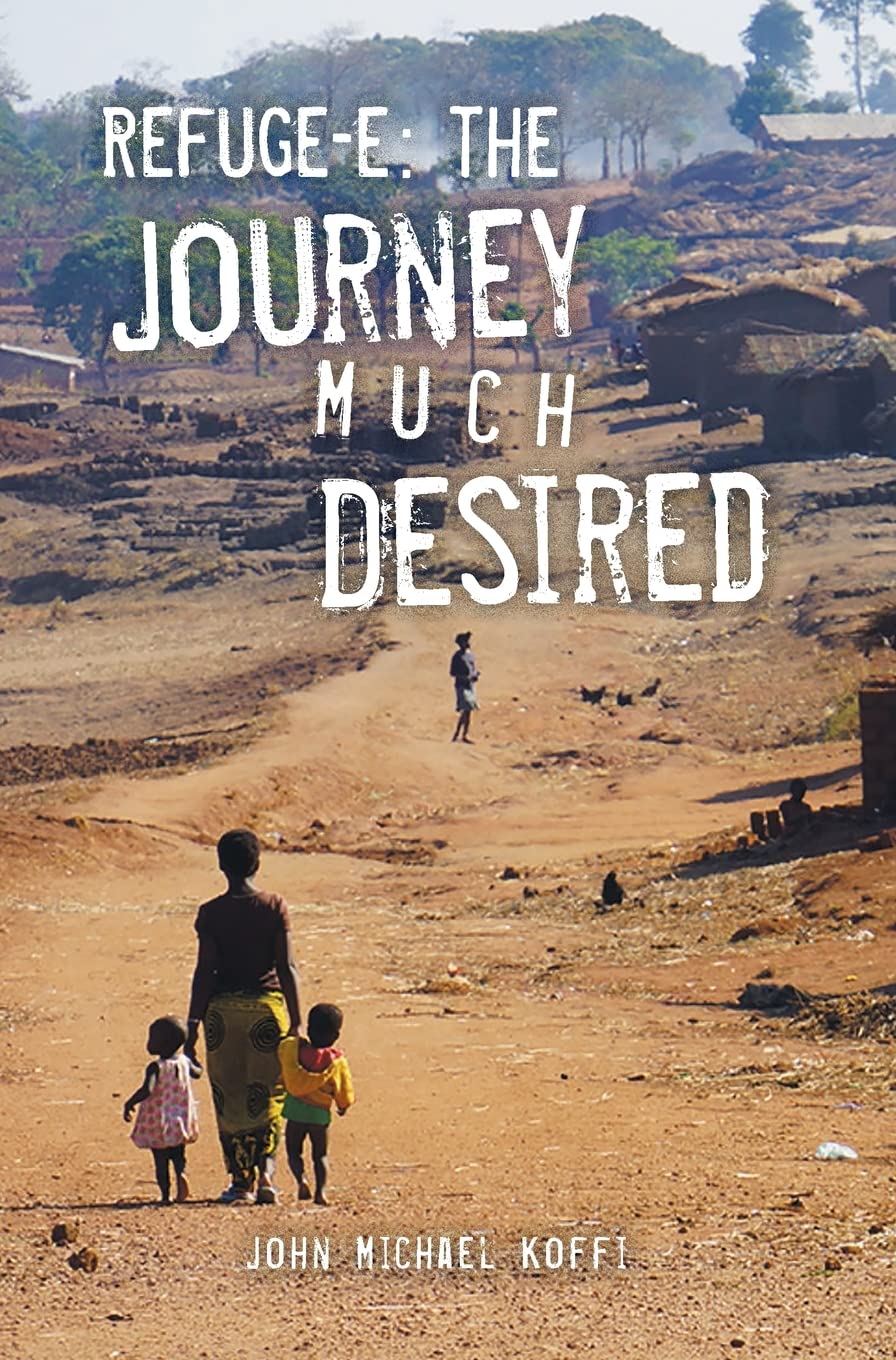
Culture
Refuge-e: The Journey Much Desired
Njamba Koffi's 2018 memoir, published under the name John Michael Koffi, follows a young Congolese refugee through Dzaleka and Mpaka camps and his pursuit of education.
4 sources
Culture
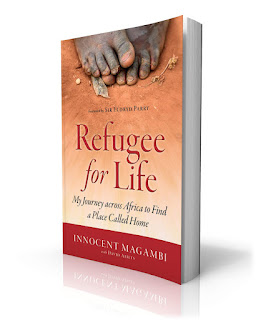
Refugee for Life: My Journey Across Africa to Find a Place Called Home
Innocent Magambi's 2015 memoir of spending his first 27 years across five refugee camps and of the experiences that led him to establish There Is Hope near Dzaleka.
4 sources
Institution
Refugee-led organisations in Dzaleka
Organisations founded or led by refugees that provide education, advocacy, technology, livelihoods, arts, protection, and mutual support within Dzaleka and beyond.
4 sources
History
Refugees' Livelihood Strategies in Long-term Encampment (Thesis)
A 2022 Erasmus University Rotterdam master's thesis investigating how refugees navigate structural barriers to sustain livelihoods and build social capital under protracted encampment at Dzaleka.
2 sources
Infrastructure
Rexplore Research Labs
An AI research and product development company based in Lilongwe, Malawi, founded by Byamasu Patrick Paul, focusing on reinforcement learning, autonomous agents, and African multilingual voice AI.
2 sources
Culture
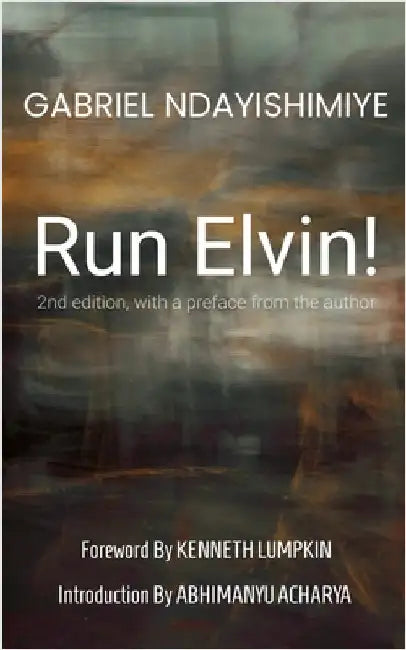
Run Elvin!
Gabriel Ndayishimiye's memoir of childhood and youth in Dzaleka, written as a record of displacement and as a letter from a father to his son; revised print and ebook editions appeared between 2021 and 2025.
4 sources
Culture
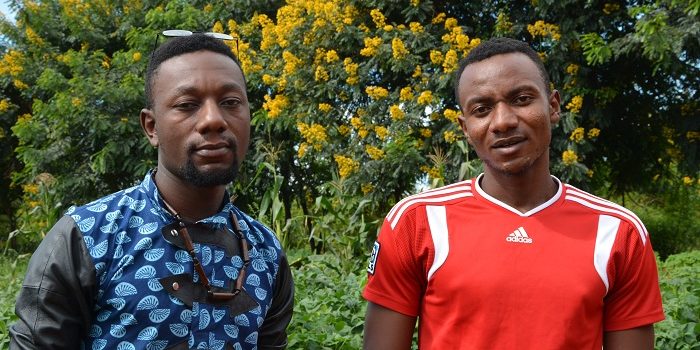
Salama Africa
A refugee-founded dance group and intercultural youth centre in Dzaleka, established in 2014, that has competed in national dance competitions and runs arts and sports activities for young people.
5 sources
Culture · Developing entry
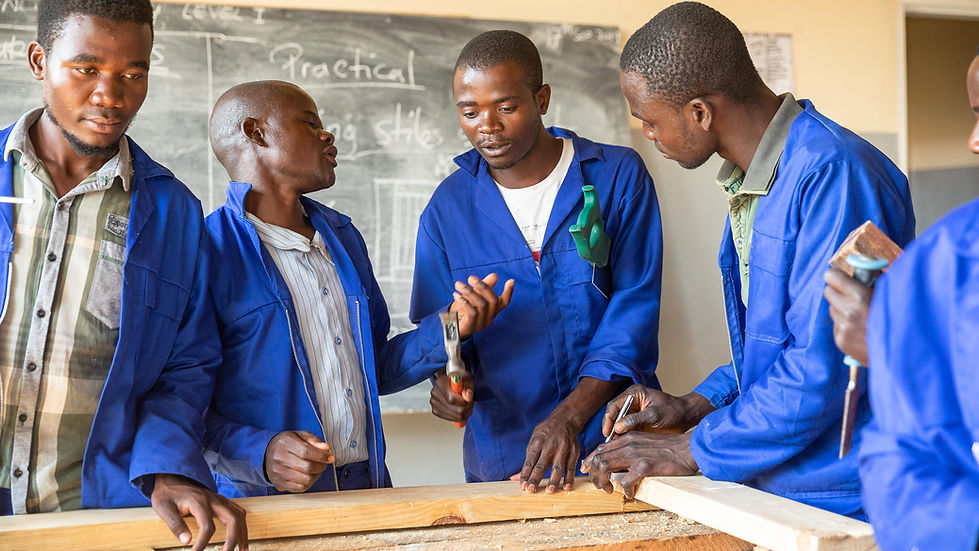
Sawdust (documentary project)
A HOME Storytellers documentary project developed around Jacques Kabongo's experience of displacement, carpentry training, and rebuilding a livelihood in Dzaleka.
2 sources
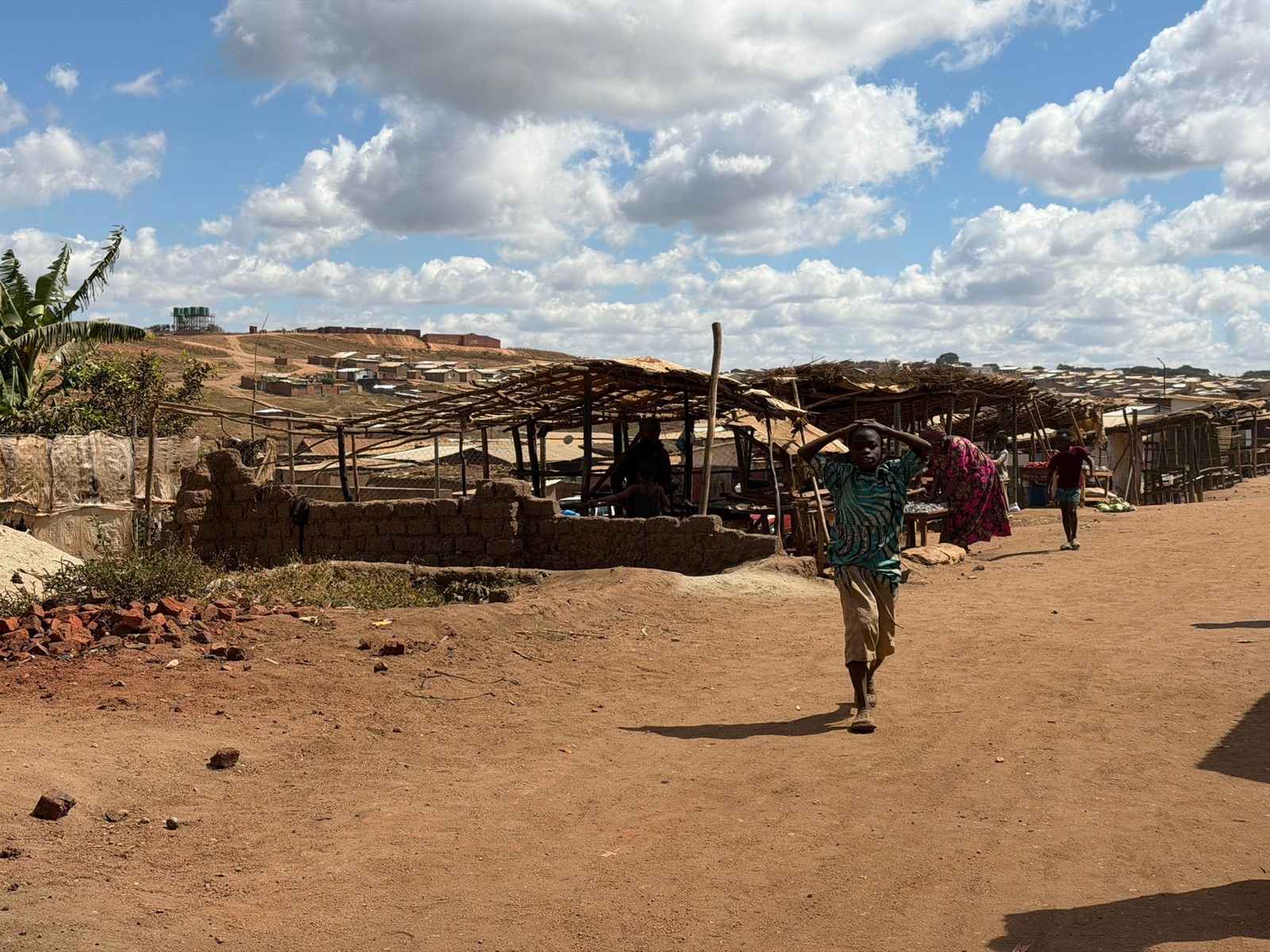
Health
Employment, disability and violence in the 2024 MDHS
Dzaleka survey estimates on employment among currently married adults, functional difficulty among people aged five and older, and women's reported experience of violence.
3 sources
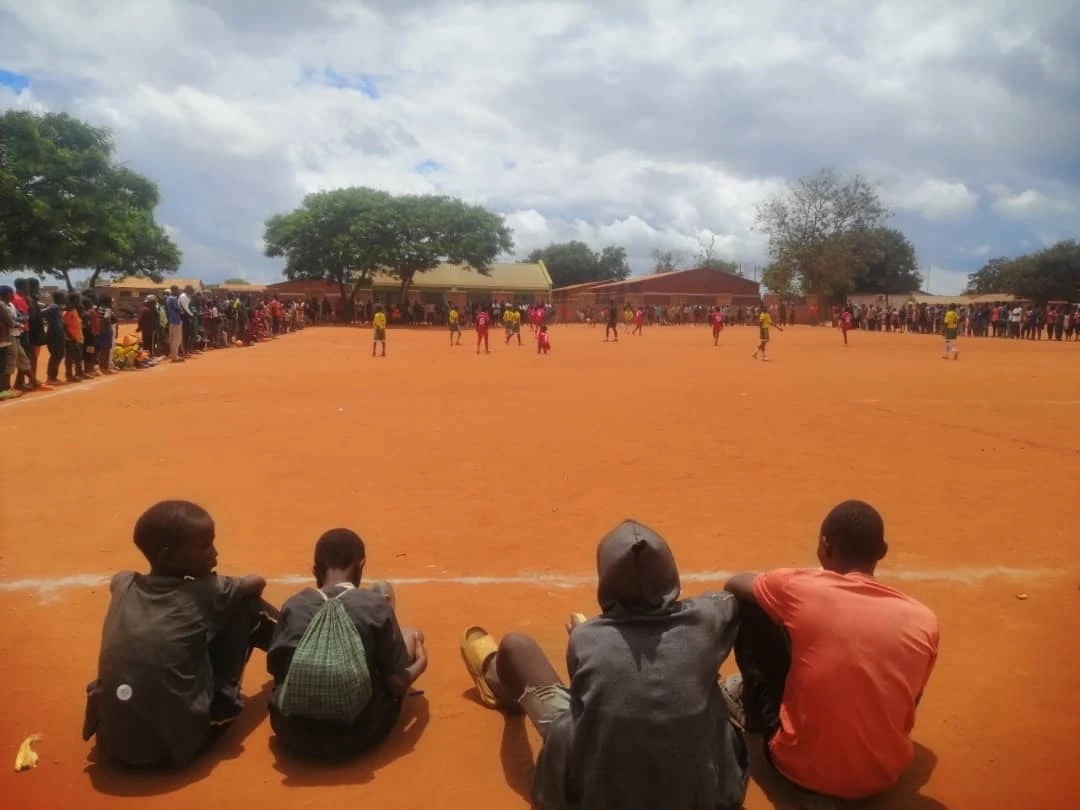
Culture
Sport in Dzaleka
A reference entry on football and organised sport in the camp: the fifteen-team football scene, the Dzaleka Sports Association's youth tournaments, and programmes supported by FIFA and other partners.
4 sources
People · Developing entry
Ndugu Steven
Young writer in Dzaleka who publishes poetry, short stories, essays, and journalism through The GOAT PoL and studies business and computer science with Jesuit Worldwide Learning.
1 source
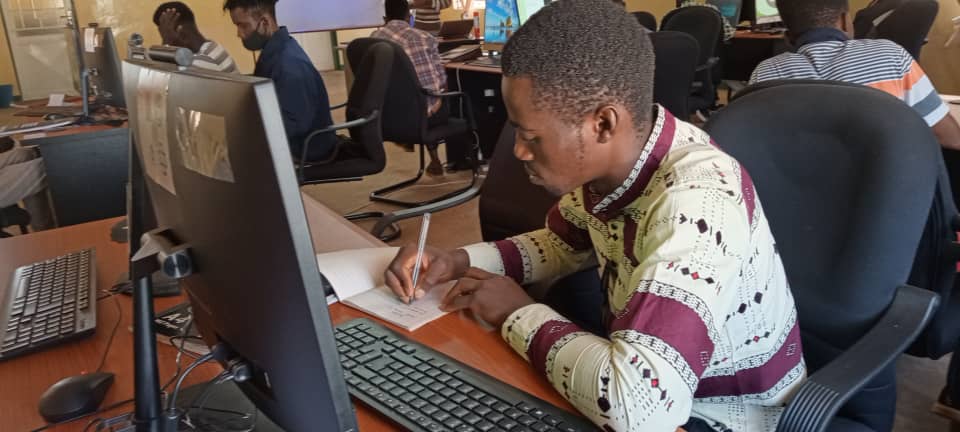
Education
TakeNoLab
A free technology school founded by Remy Gakwaya in 2015 outside the Dzaleka gates, teaching digital skills, online freelancing, and entrepreneurship to refugees and Malawians.
4 sources
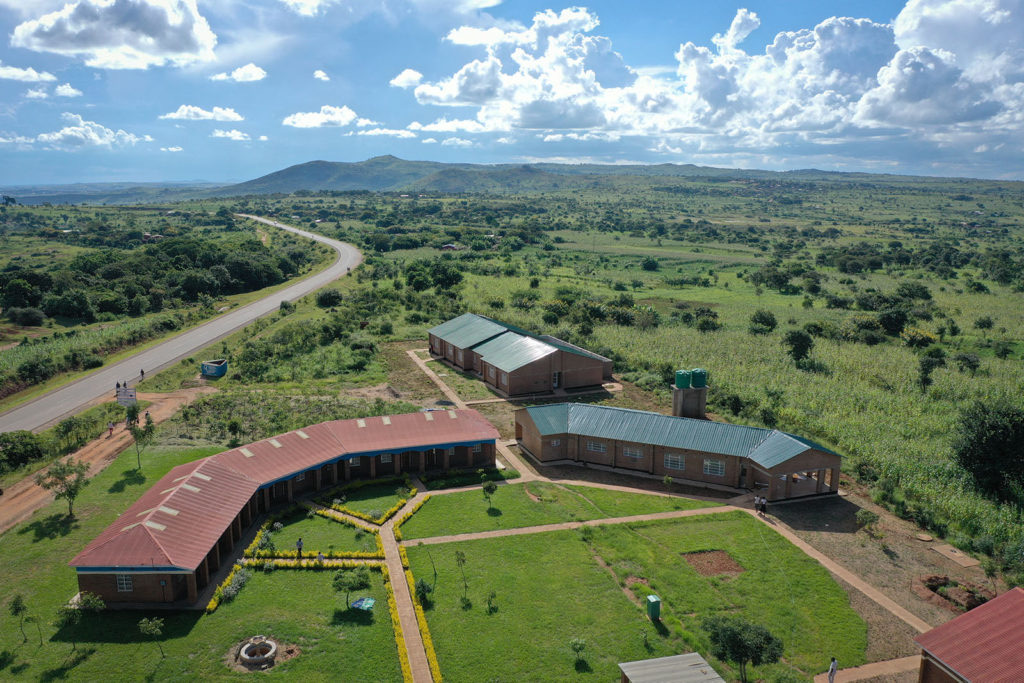
Institution
There Is Hope Malawi
A Malawian non-profit organisation founded from Dzaleka experience that provides vocational education, enterprise support, scholarships, and other self-reliance programmes for refugees and host communities.
3 sources
Culture
Tumaini (BBC World Service Documentary)
A BBC World Service radio documentary produced by Bairbre Flood exploring musical talent, spoken word poetry, and cultural resilience at the Tumaini Festival inside Dzaleka Refugee Camp.
2 sources
Culture
Tumaini Festival
A refugee-led arts and culture festival founded in Dzaleka in 2014, bringing camp residents, Malawian communities, and visiting artists together.
3 sources
Institution
Tumaini Letu
The refugee-led non-profit founded in 2012 by Trésor Nzengu Mpauni (Menes la Plume) that organises the Tumaini Festival and runs cultural and economic inclusion programmes from within Dzaleka.
4 sources
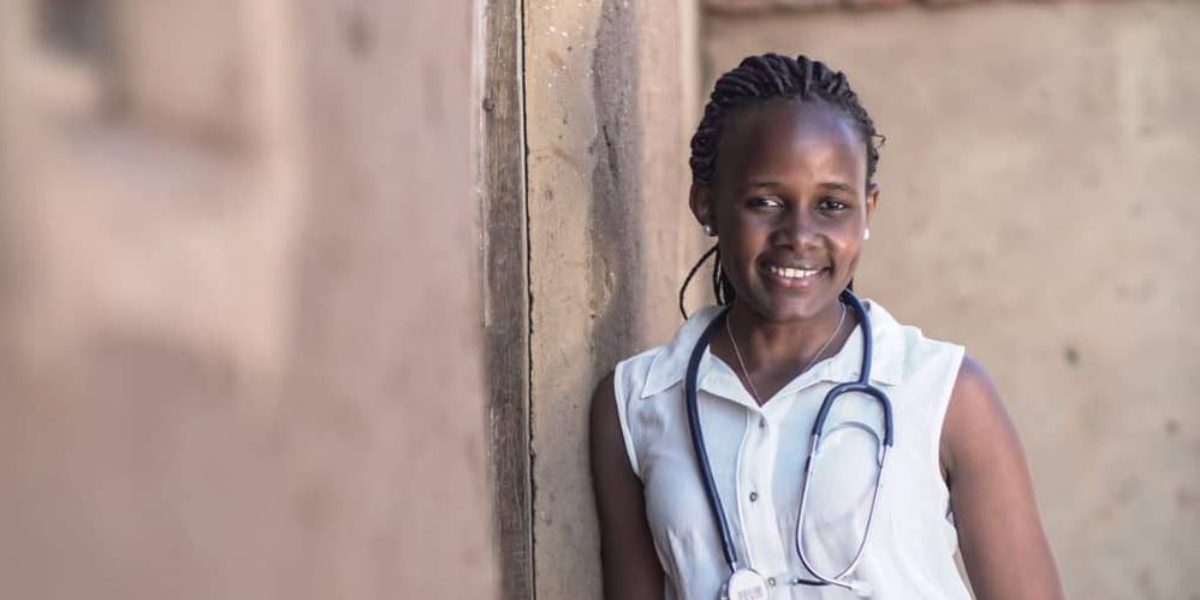
People
Dr. Mireille Twayigira
Rwandan-born medical doctor and refugee-education advocate whose schooling in Dzaleka led to a medical scholarship and a career in Malawi.
3 sources
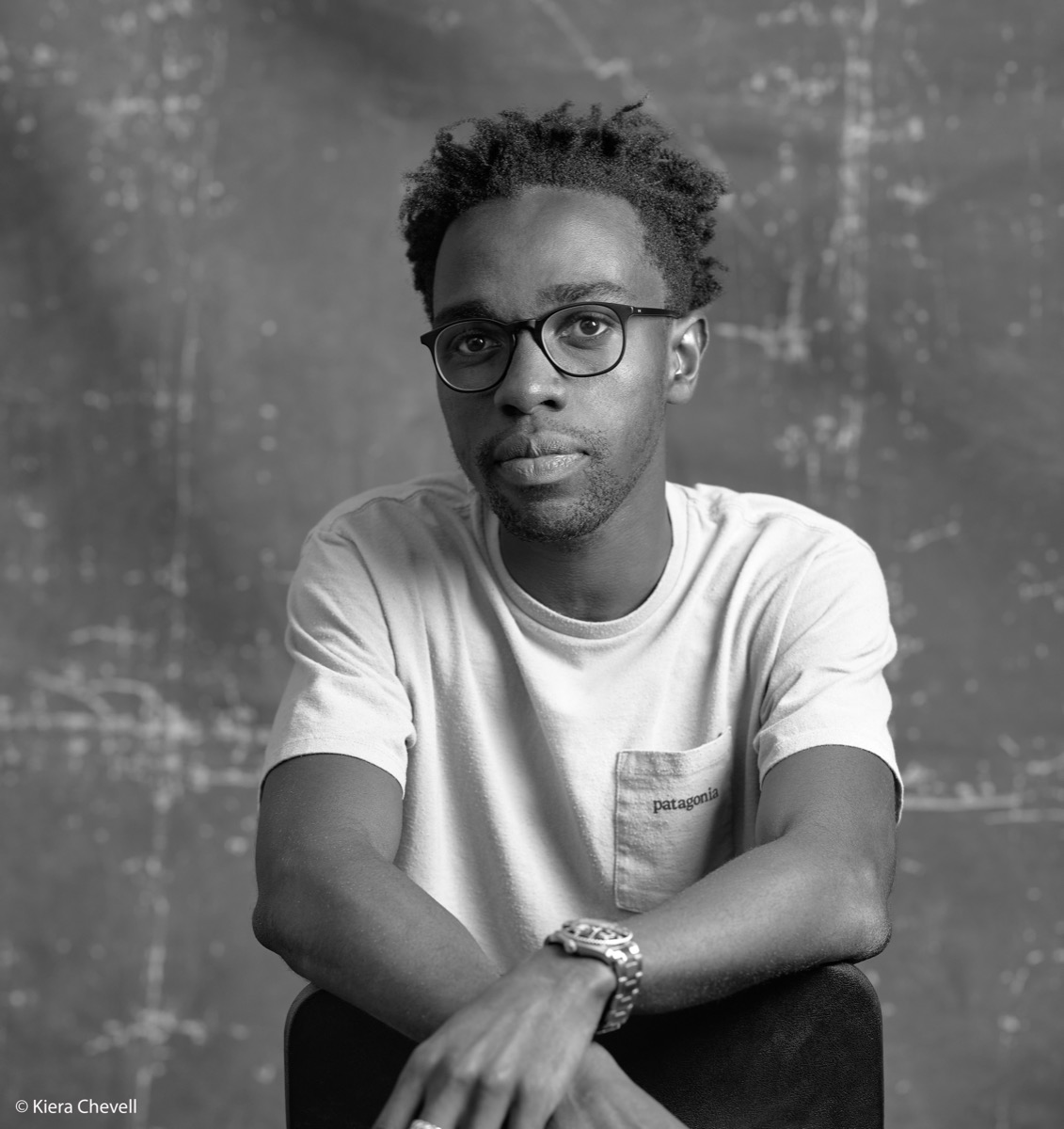
People
Oliver Twist
Rwandan-born storyteller who spent his childhood as a refugee in Malawi and later became an Australian stage performer and author, best known for the one-man play and memoir Jali.
2 sources
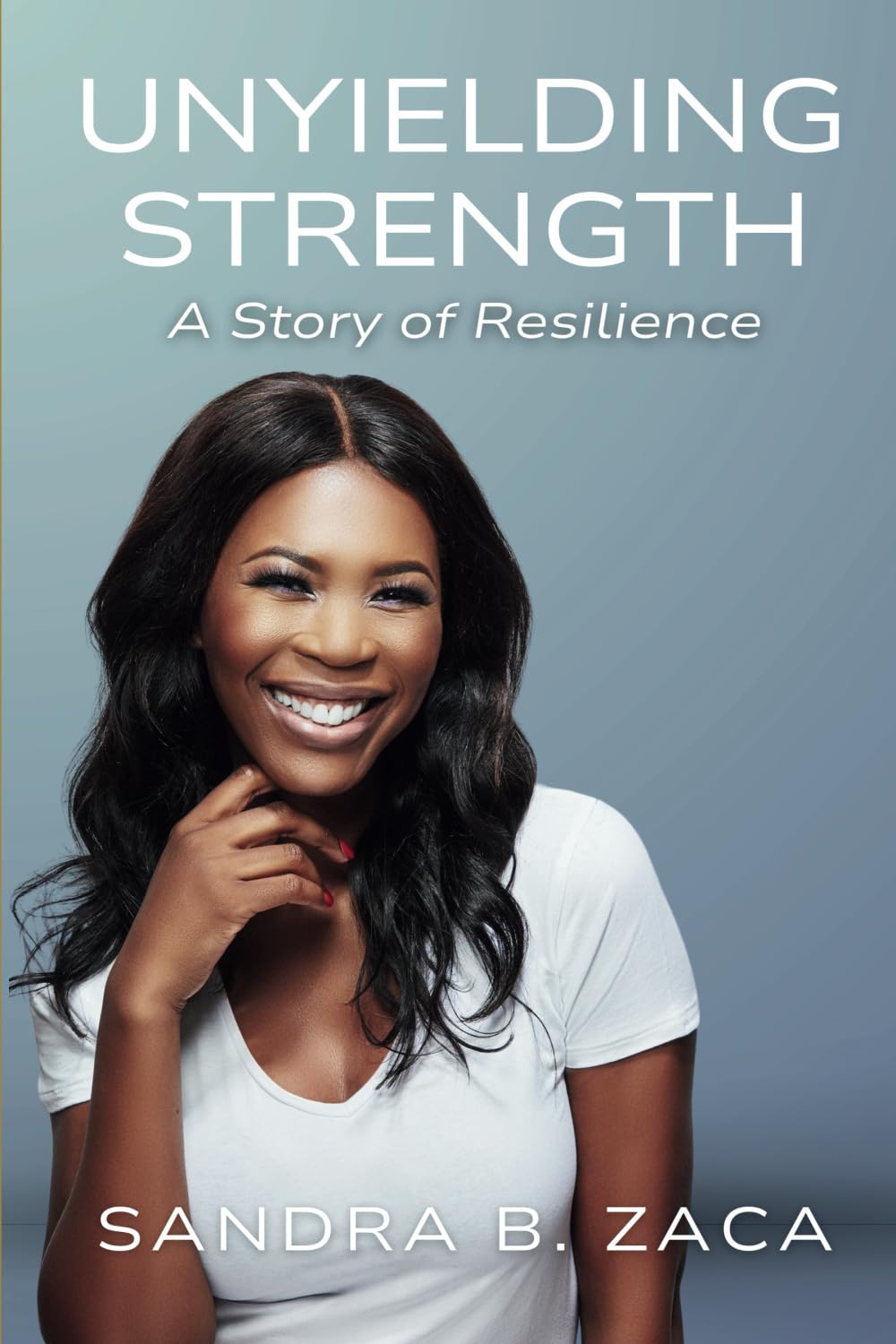
Culture · Developing entry
Unyielding Strength: A Story of Resilience
A memoir by Sandra B. Zaca about forced displacement from the Democratic Republic of the Congo and rebuilding life in South Africa; its precise Dzaleka chronology remains under review.
4 sources
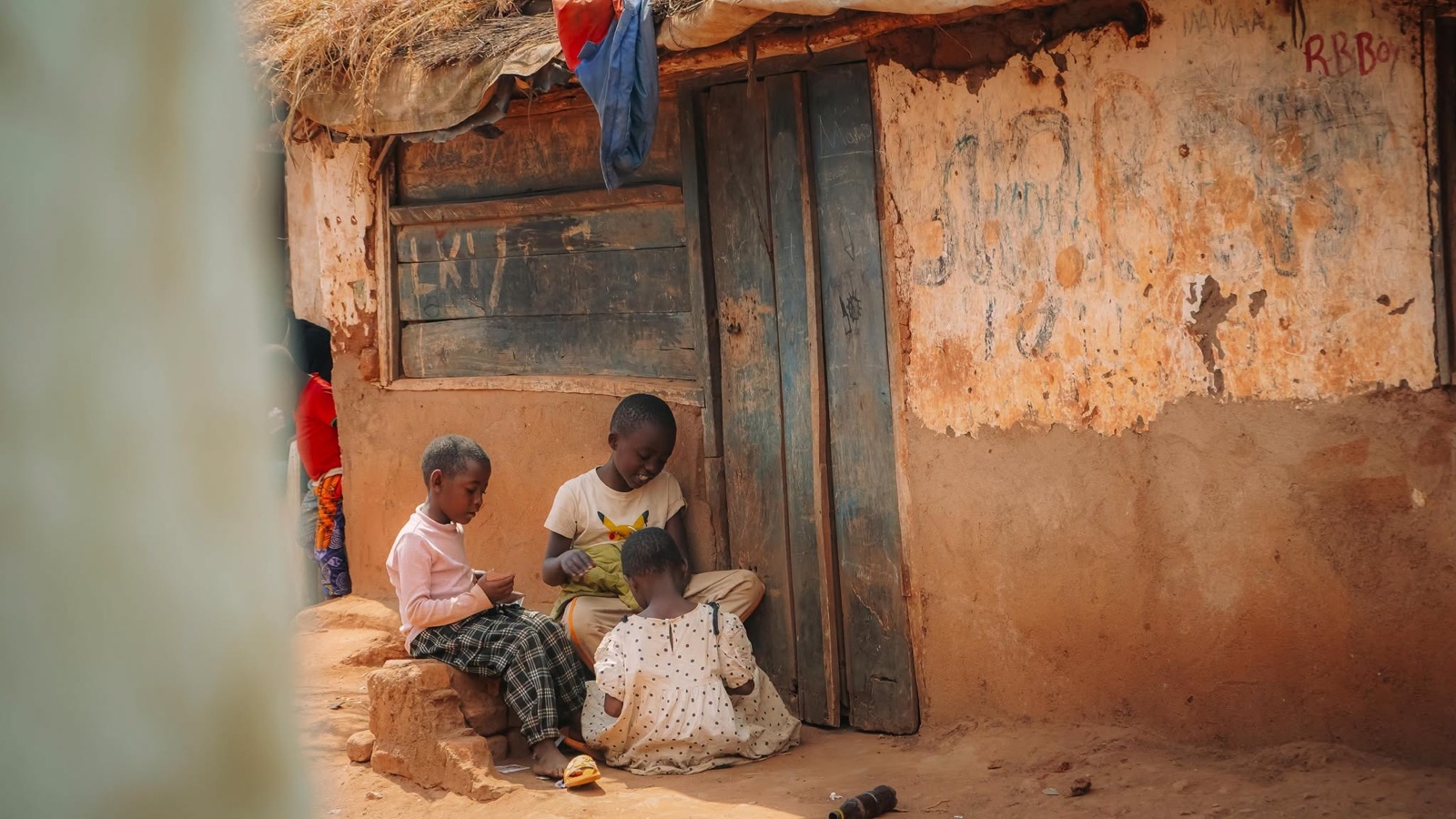
Health
Vaccination, nutrition and anaemia in the 2024 MDHS
Dzaleka estimates for childhood vaccination, HPV vaccination, child growth and anaemia among children and women in the 2024 national health survey.
3 sources
History
Waiting in Dzaleka Refugee Camp: Agency through Self- and Community Organisation
A 2025 Master's thesis by Anna-Lena Stammen (University of Applied Sciences Erfurt) analysing refugee agency, waiting, coping mechanisms, social space mapping, and refugee-led organisations under Malawi's encampment policy.
1 source
People · Developing entry
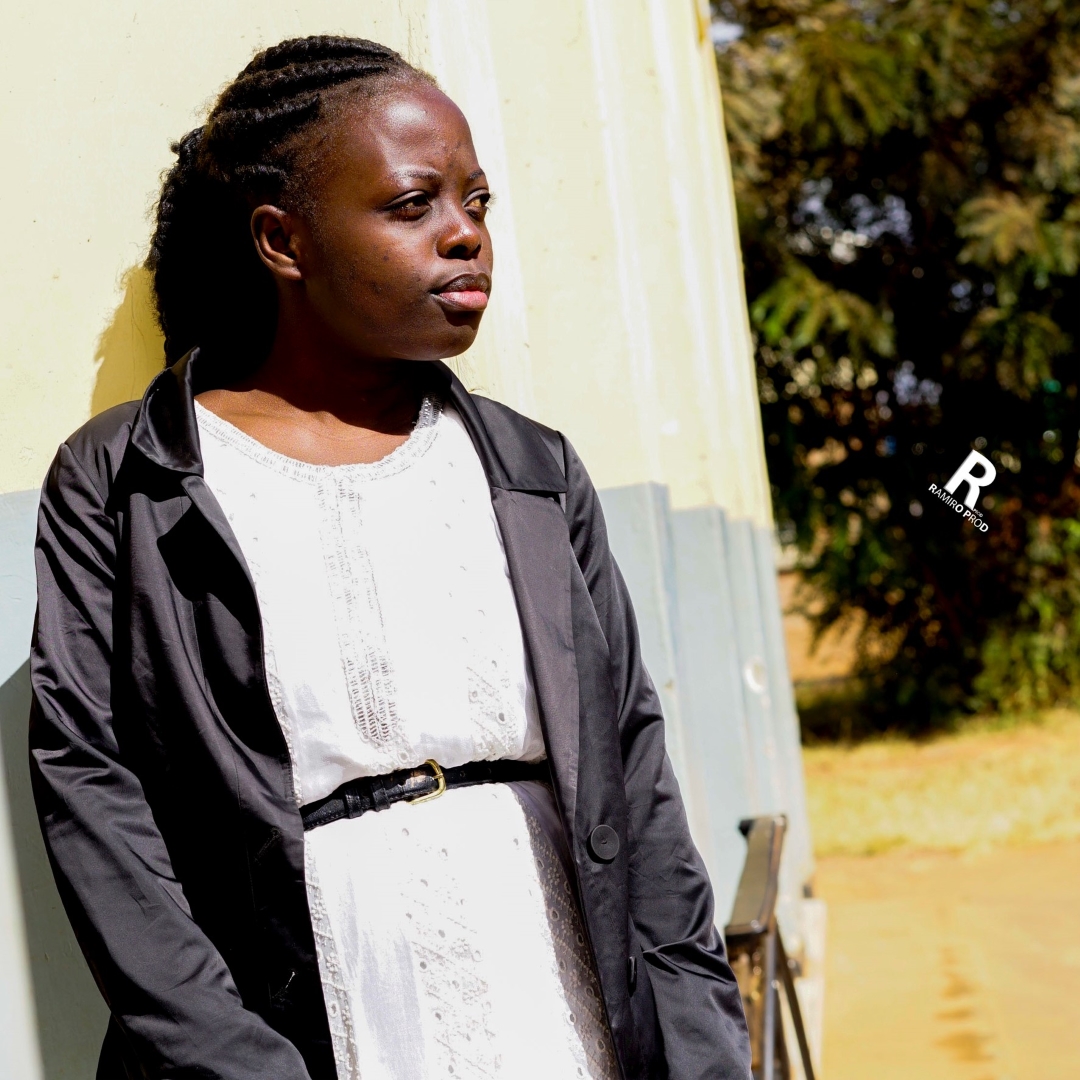
Sabrina Wakilongo
Congolese poet, web designer, educator, and co-founder of Girls VISION, an initiative created in Dzaleka to support girls and young women.
1 source
History
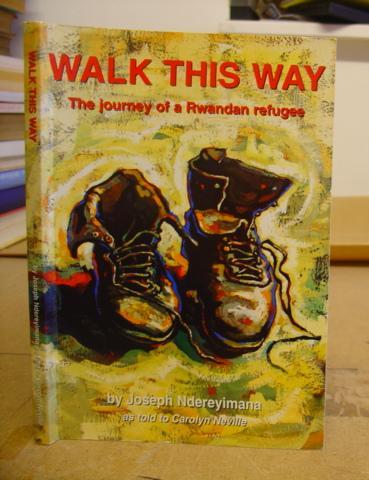
Walk This Way: The Journey of a Rwandan Refugee
Joseph Ndereyimana's 1999 testimony, told to Carolyn Neville and edited by Janet Jackson, records flight from Rwanda and arrival at the newly established Dzaleka Refugee Centre in 1995.
4 sources
Infrastructure
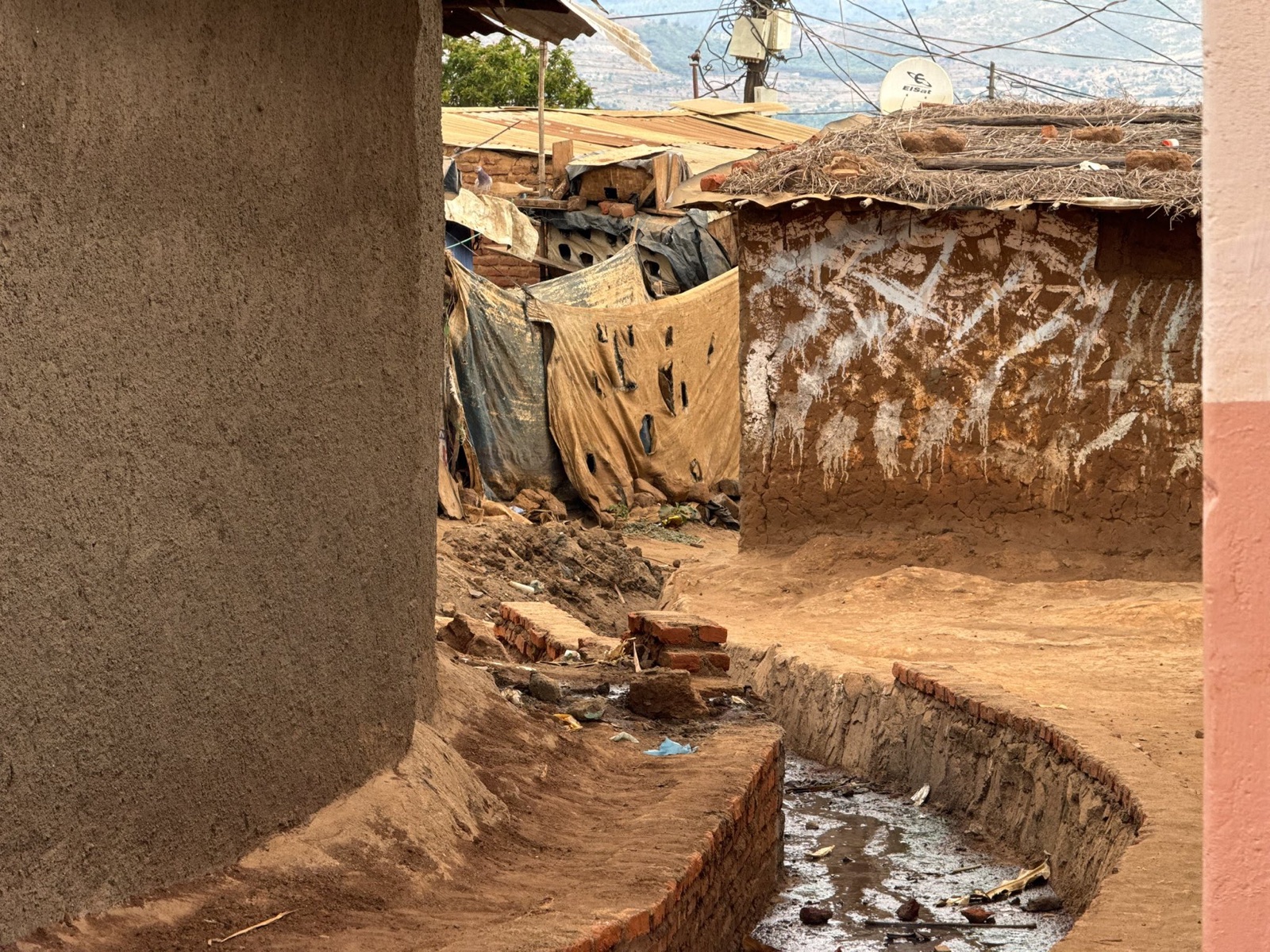
Water and sanitation
A reference entry on water supply, latrines, handwashing, and waste management in Dzaleka, based on UNHCR's August 2024 reporting.
1 source
Culture
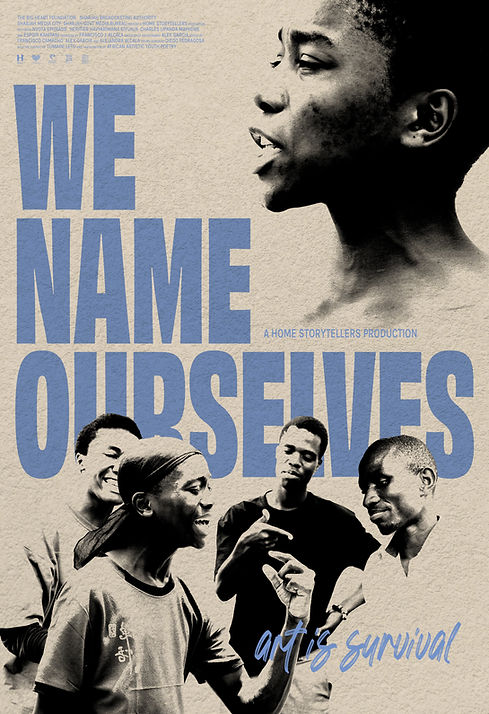
We Name Ourselves
A HOME Storytellers documentary following seven young poets in Dzaleka as they use spoken word and prepare to perform at Tumaini Festival.
3 sources

Institution
Yetu Community Radio
A multilingual community radio station based in Dzaleka, established to serve refugee and Malawian communities with public information and community programming.
3 sources
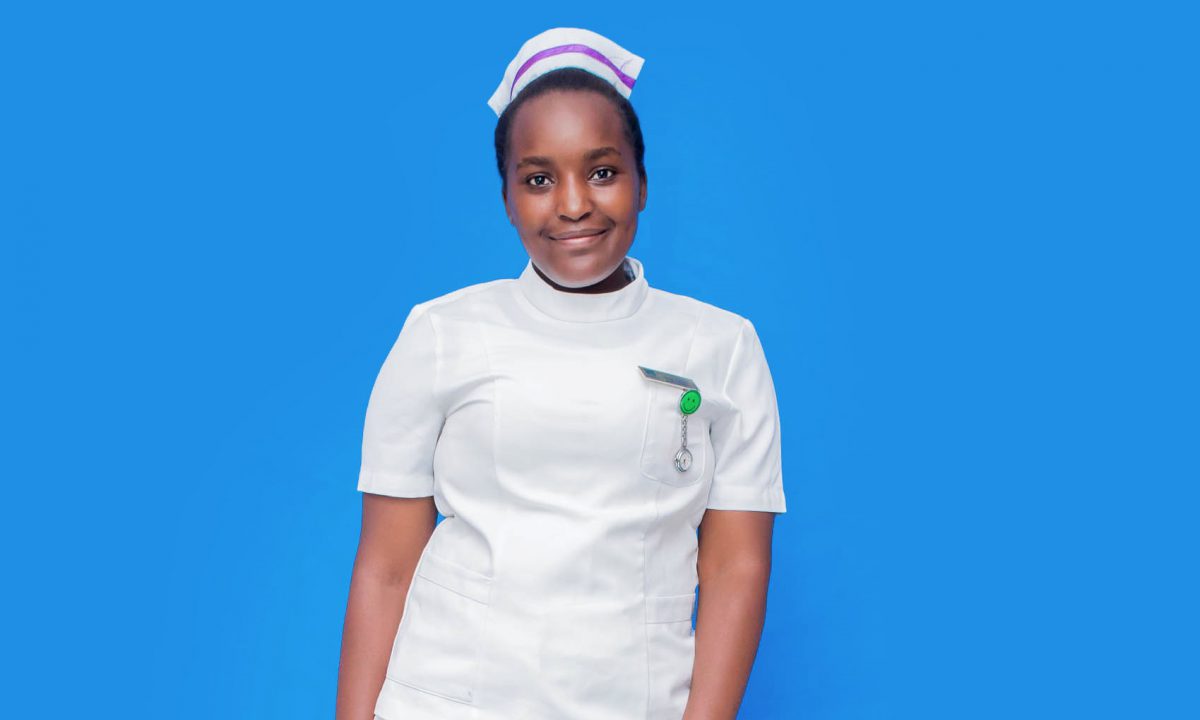
People
Divine Yusuf
Nursing and midwifery student raised in Dzaleka whose education was supported through the Jesuit Refugee Service Naweza scholarship programme.
1 source
No matching entries
Try another name or topic, or clear the search and filters above.
Discover Dzaleka
History, culture and community
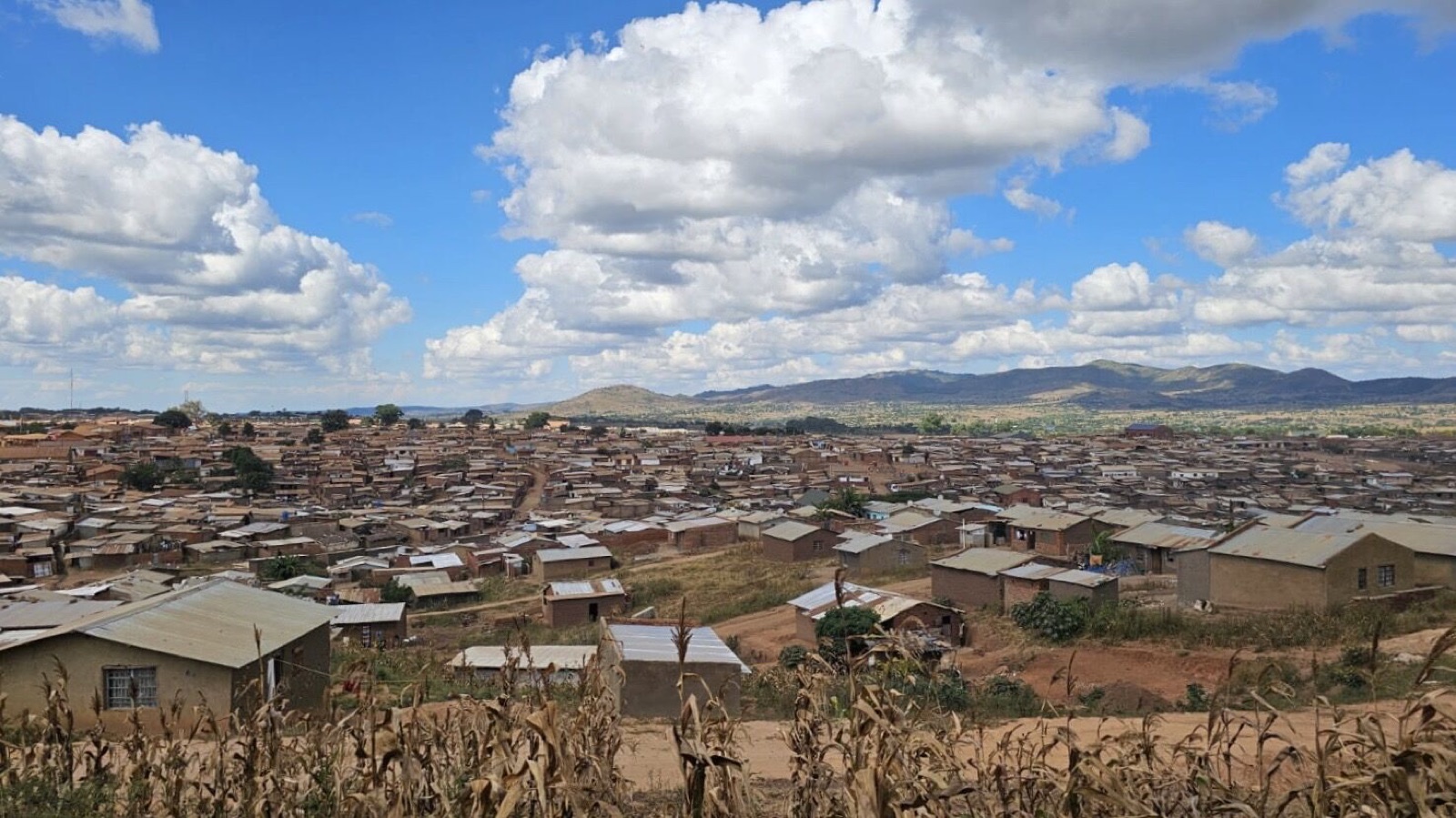
History
History of Dzaleka
How Dzaleka developed from a camp opened in 1994 into Malawi's principal refugee settlement, including the consolidation of residents from Luwani and decades of population growth.
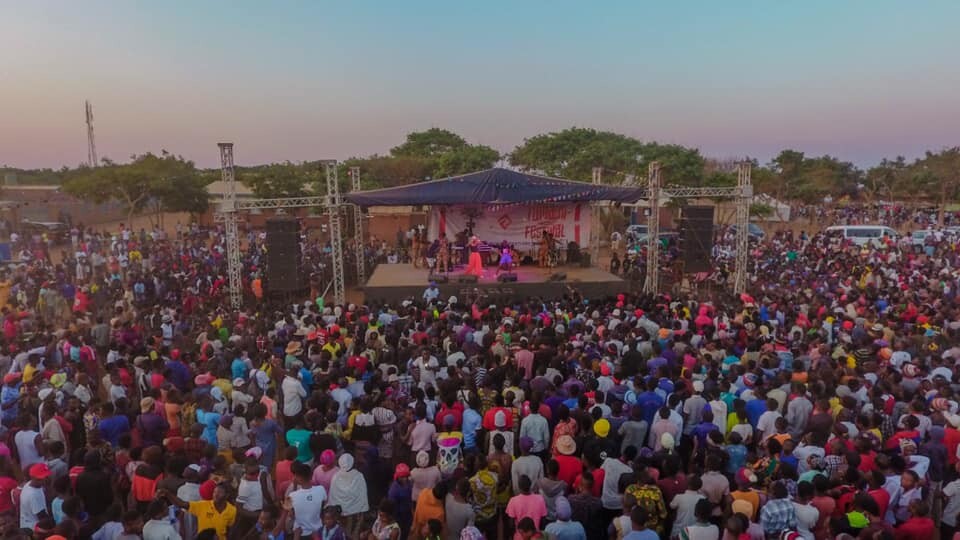
Culture
Tumaini Festival
A refugee-led arts and culture festival founded in Dzaleka in 2014, bringing camp residents, Malawian communities, and visiting artists together.
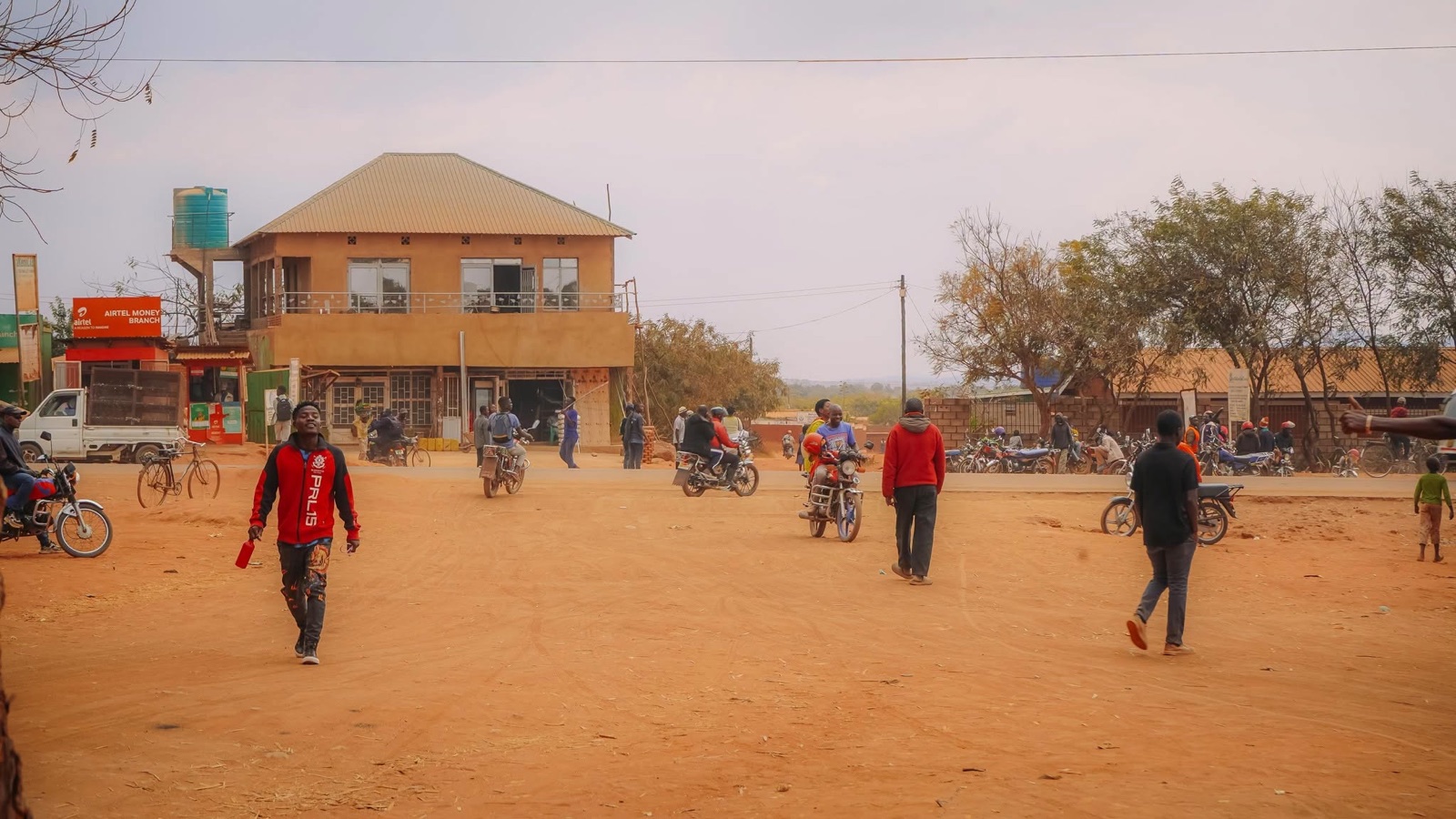
Institution
Refugee-led organisations in Dzaleka
Organisations founded or led by refugees that provide education, advocacy, technology, livelihoods, arts, protection, and mutual support within Dzaleka and beyond.
People connected to Dzaleka
Browse all biographies →Angela Abizera
Rwandan-born poet and education advocate raised in Dzaleka, a poetry team leader in the camp's arts scene and a Global Youth for Education in Emergencies panel member.
Menes la Plume
Congolese poet, musician, and cultural organiser who founded Tumaini Letu and the Tumaini Festival in Dzaleka.
Innocent Magambi
Refugee-rights advocate and founder of There Is Hope, whose work grew from his experience living in Dzaleka and other refugee camps.
Research and contributions
Help improve the encyclopedia
Suggest a correction, contribute a photograph or propose an entry. Include the source and date so editors can check the information.
Research and health surveys
Entries show review dates and sources. To reuse the collection, read the API documentation and open license.