Infrastructure
Livelihoods and the local economy
How residents earn income through trade, services, agriculture, creative work, training, and digital labour despite restrictions on movement and formal employment.
2 min read
Reviewed
Key facts about Livelihoods and the local economy
- Economic pattern
- Predominantly informal and small-scale enterprise
- Livelihood programme reach
- Less than 7% of the camp population in August 2024
- 2017 survey coverage
- 802 refugee households in Dzaleka
On this page
An informal local economy
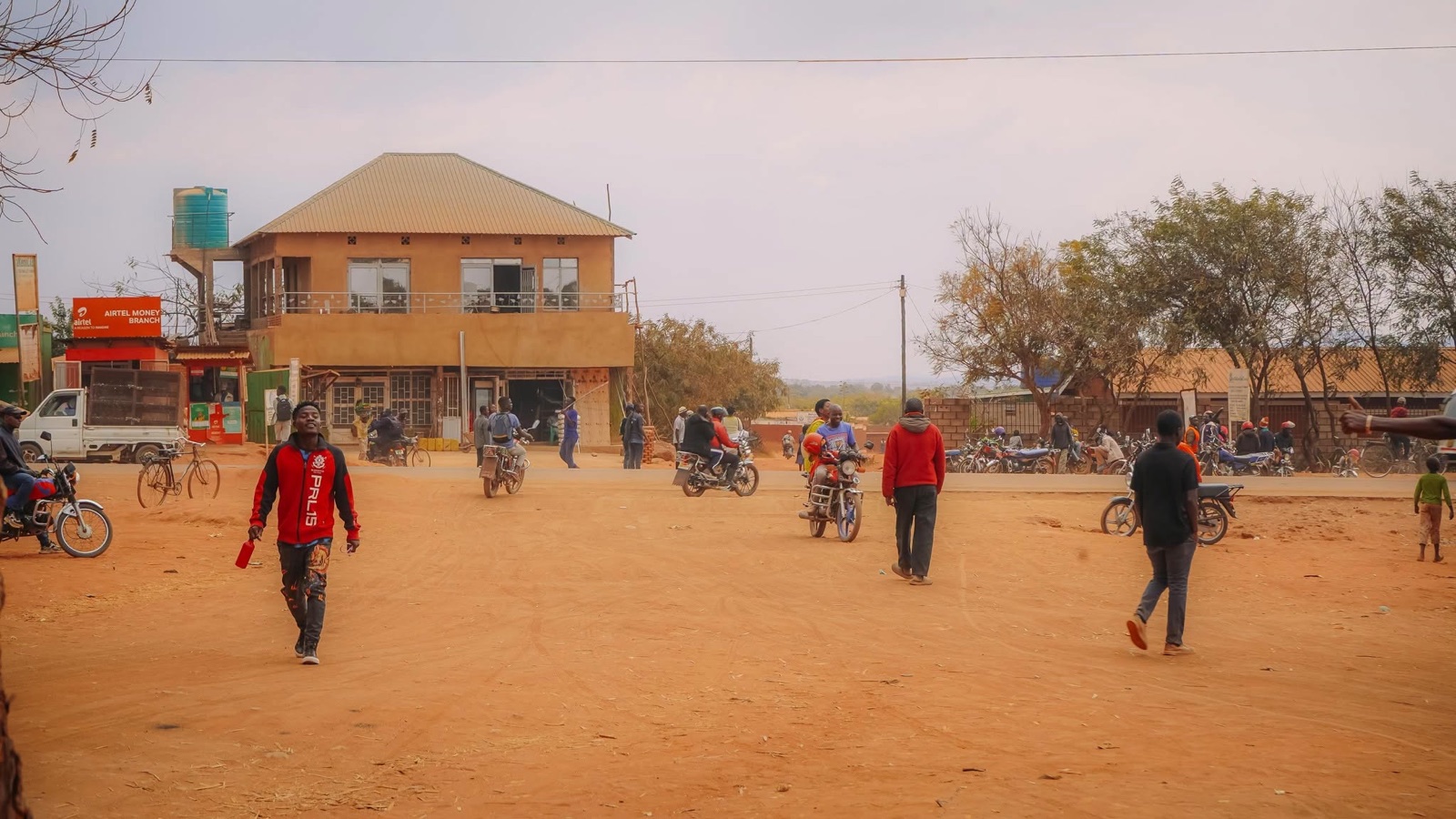
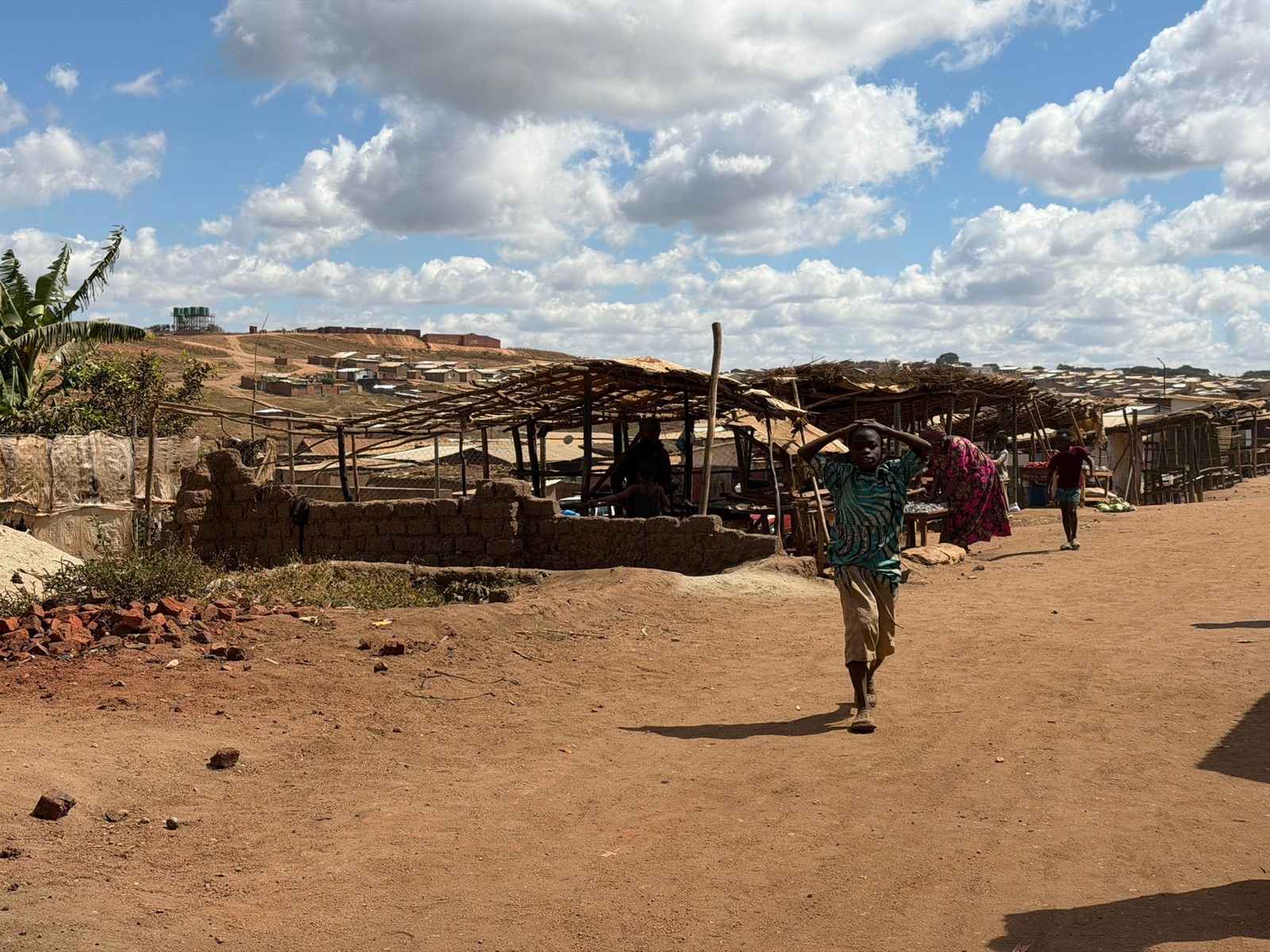
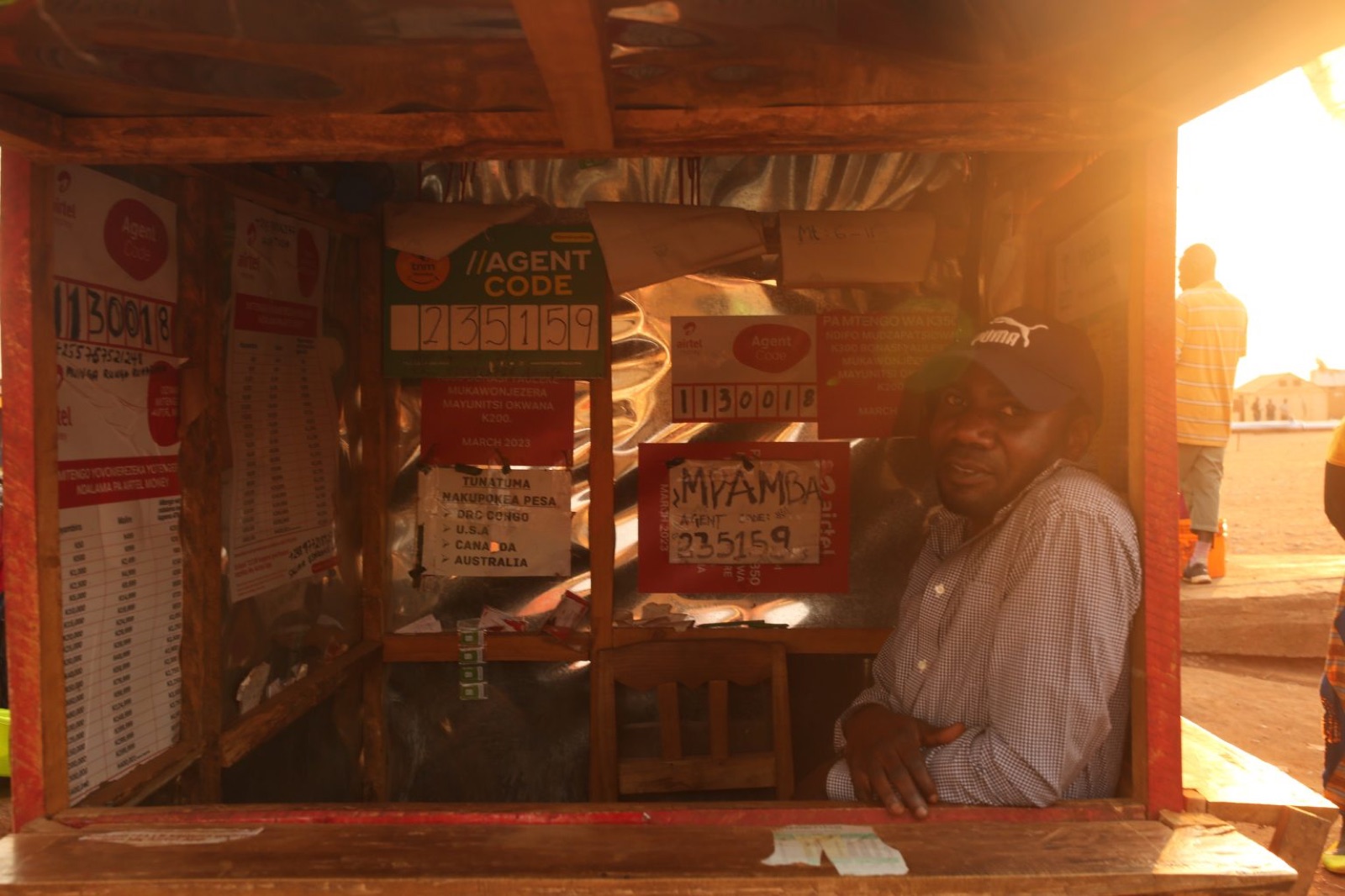
Dzaleka’s economy includes retail shops, food stalls, tailoring, hairdressing, transport, repair work, mobile-money services, private education, construction trades, farming, arts, and community organisations. Business activity connects residents with nearby Malawian communities through employment, purchasing, land access, and trade.
The economy is largely informal. Malawi’s legal framework and encampment policy restrict movement and formal employment, while access to capital, documentation, electricity, stable internet, and larger markets can be limited.
Evidence about livelihoods
UNHCR’s 2017 socioeconomic assessment surveyed 802 refugee households in Dzaleka as part of a wider study of livelihoods, income, assets, food consumption, services, safety, and wellbeing. The dataset is useful historical evidence, but it should not be treated as a current census.
In August 2024, UNHCR reported that fewer than seven per cent of the camp population benefited from formal livelihood activities. At that time, programmes included crop and livestock production, insect farming, and enterprise development for refugee and host communities.
Training and enterprise support
Organisations including There Is Hope, JRS, UNHCR partners, and refugee-led groups have offered vocational training, enterprise development, agriculture, financial literacy, and digital skills. These programmes are significant but do not reach every household.
Digital work
Online work can provide access to clients beyond the camp. A 2024 UNHCR Innovation project with JRS and Konexio explored digital skills and labour platforms. Participants still faced expensive or unreliable connectivity, power interruptions, and employer concerns linked to nationality or location.
Relationship to assistance
Income and humanitarian assistance overlap. Food or cash transfers can be a household’s most reliable resource, while trade and casual work help cover needs that assistance does not meet. Funding cuts therefore affect both household consumption and the wider camp economy.
Visual record
Photographs
References
Sources
- 1UNHCR Malawi Fact Sheet
UNHCR, August 2024
- 2Socio-Economic Assessment of Refugees and Asylum Seekers in Malawi's Dzaleka and Luwani Camps
World Bank Microdata Library, 2017
- 3Paving a way to digital livelihoods
UNHCR Innovation, 25 April 2024
- 4Malawi Refugee Guide
Inua Advocacy, December 2024
Related entries
Place
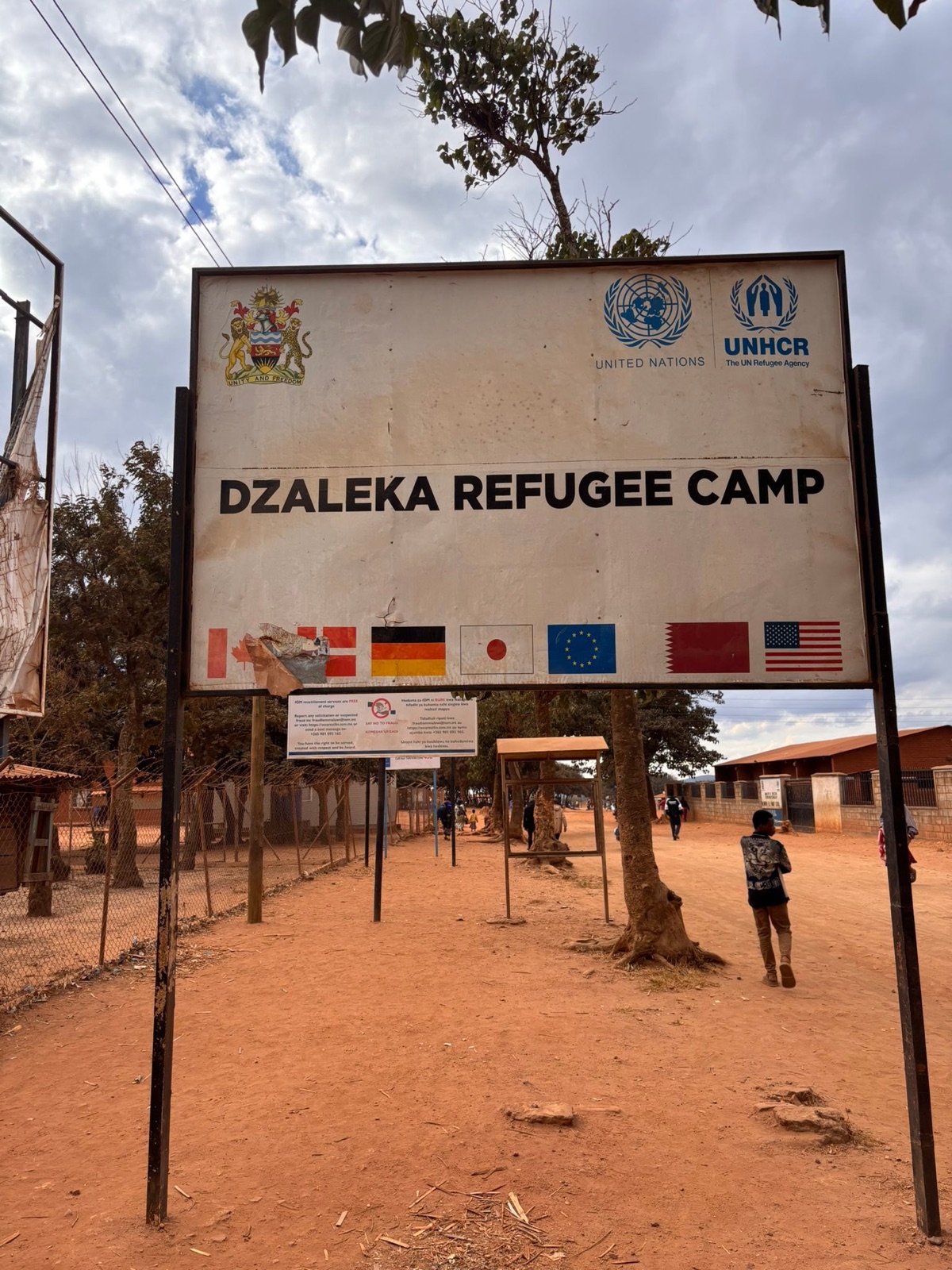
Dzaleka Refugee Camp
A long-established refugee settlement in Dowa District, Malawi, opened in 1994 and now home to a large, multilingual community from the Great Lakes region and the Horn of Africa.
History
Refugee law and encampment policy in Malawi
The legal and policy framework that shapes residence, movement, education, work, and administration for refugees and asylum-seekers living at Dzaleka.
Health
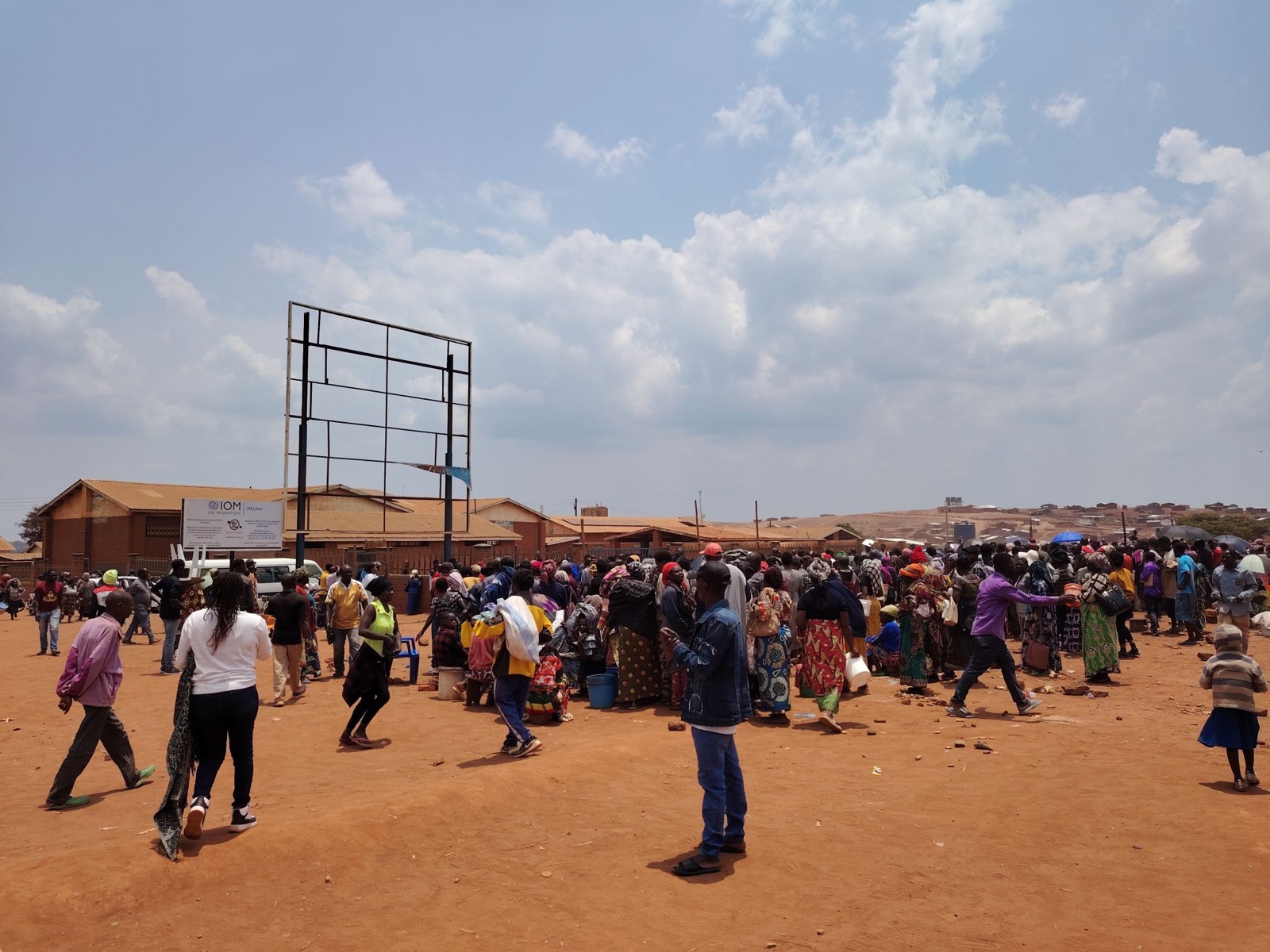
Food security and assistance
The food and cash assistance system at Dzaleka, the effects of funding shortfalls, and the evidence used to assess household food security.
Health
Employment, disability and violence in the 2024 MDHS
Dzaleka survey estimates on employment among currently married adults, functional difficulty among people aged five and older, and women's reported experience of violence.
Education
Dzaleka AppFactory
A software-development training programme launched in Dzaleka in 2017 through Microsoft 4Afrika and UNHCR's Connectivity for Refugees initiative.
Institution
There Is Hope Malawi
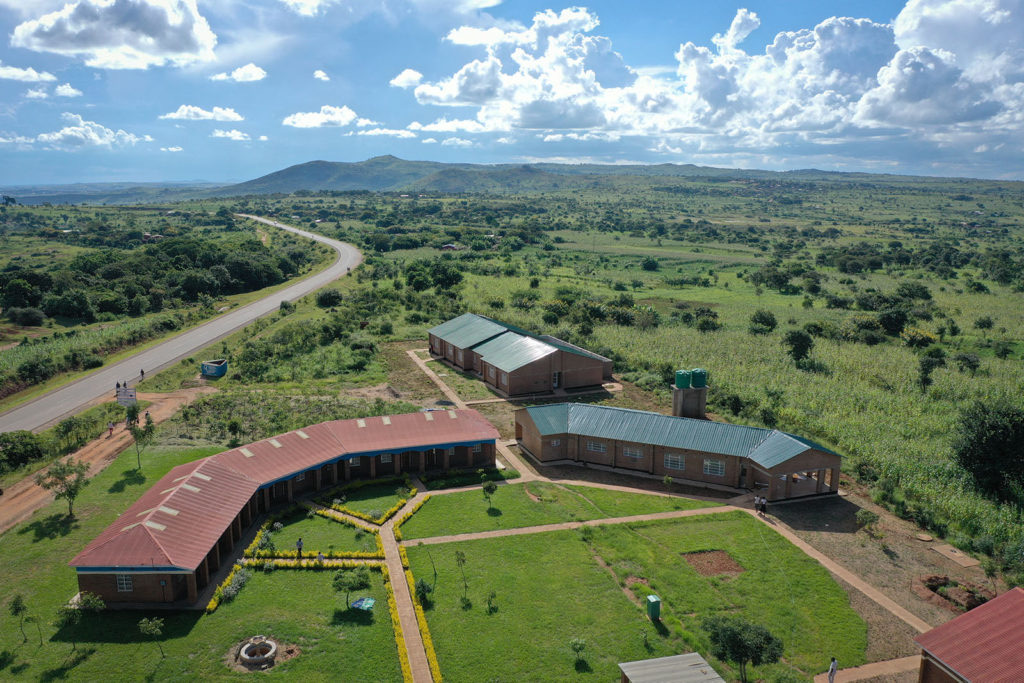
A Malawian non-profit organisation founded from Dzaleka experience that provides vocational education, enterprise support, scholarships, and other self-reliance programmes for refugees and host communities.
Help improve this entry
Send a correction, a stronger source, a missing detail, or a photograph. Submissions are reviewed against the encyclopedia's editorial guidance before the public record changes.