Culture
Salama Africa
Also known as Salama Africa Dance Crew
A refugee-founded dance group and intercultural youth centre in Dzaleka, established in 2014, that has competed in national dance competitions and runs arts and sports activities for young people.
2 min read
Reviewed
Key facts about Salama Africa
- Founded
- 2014, in Dzaleka
- Founders
- Toussaint Farini, Fredy Farini, and collaborators
- Focus
- Dance, arts classes, and youth activities
- Recognition
- Placed second in a national Kajive dance competition
On this page
Origins
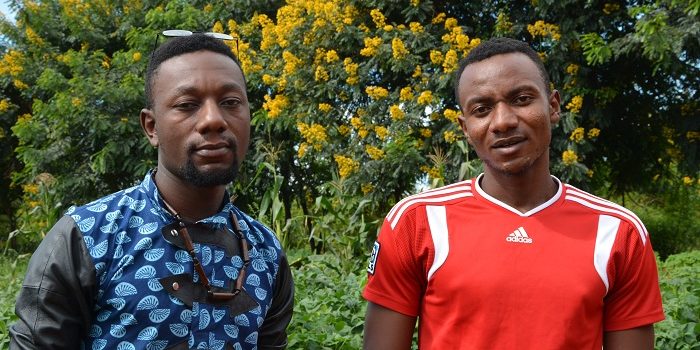
Salama Africa was established in Dzaleka in 2014 by Congolese-born brothers Toussaint and Fredy Farini, together with collaborators. It began as a dance group and grew into an intercultural youth centre.
Jesuit Refugee Service and the Wilson Center have both profiled the group as an example of refugee-led creative work in the camp: young people organising their own training, performances, and activities rather than waiting for outside programmes.
Activities
Reporting on the group describes a nationally competitive dance crew alongside football teams and arts classes for children and young people in the camp. Malawi’s Nation newspaper has covered the crew’s influence on the national dance scene, and Jesuit Worldwide Learning reported its second-place finish in a national Kajive dance competition in Blantyre.
Salama Africa performers have also appeared at the Tumaini Festival, the annual arts festival held inside Dzaleka.
Economic and Psychosocial Impact
Sociological fieldwork (Stammen 2025) highlights Salama Africa’s model of internal employment generation and psychosocial empowerment:
- Salary Generation and Internal Hiring: The organisation prioritises recruiting internally from within the camp, paying stipends for performances and securing external employment for dancers as dance instructors in Lilongwe, directly countering legal barriers to formal employment.
- Artistic Self-Worth: By enabling youth to perform alongside established Malawian artists, the centre builds artistic confidence and equal standing (“we are all artists”).
- Emotional Haven: Youth members report that sharing experiences and dancing together provides a supportive peer family, relieving stress and trauma from encampment.
References
Sources
- 1Waiting in Dzaleka Refugee Camp - Agency through self- and community organisation
University of Applied Sciences Erfurt / DB-Thüringen, 31 January 2025
Master's thesis analysing Salama Africa's internal employment generation, artistic pride, and psychosocial support.
- 2Malawi: Salama Africa empowers refugee youth
Jesuit Refugee Service
- 3
- 4Salama Africa Dance Crew changes dance narrative
The Nation (Malawi)
- 5A Refugee Dance Group Places Second in the National Kajive Dance Competition in Blantyre
Jesuit Worldwide Learning
Related entries
People
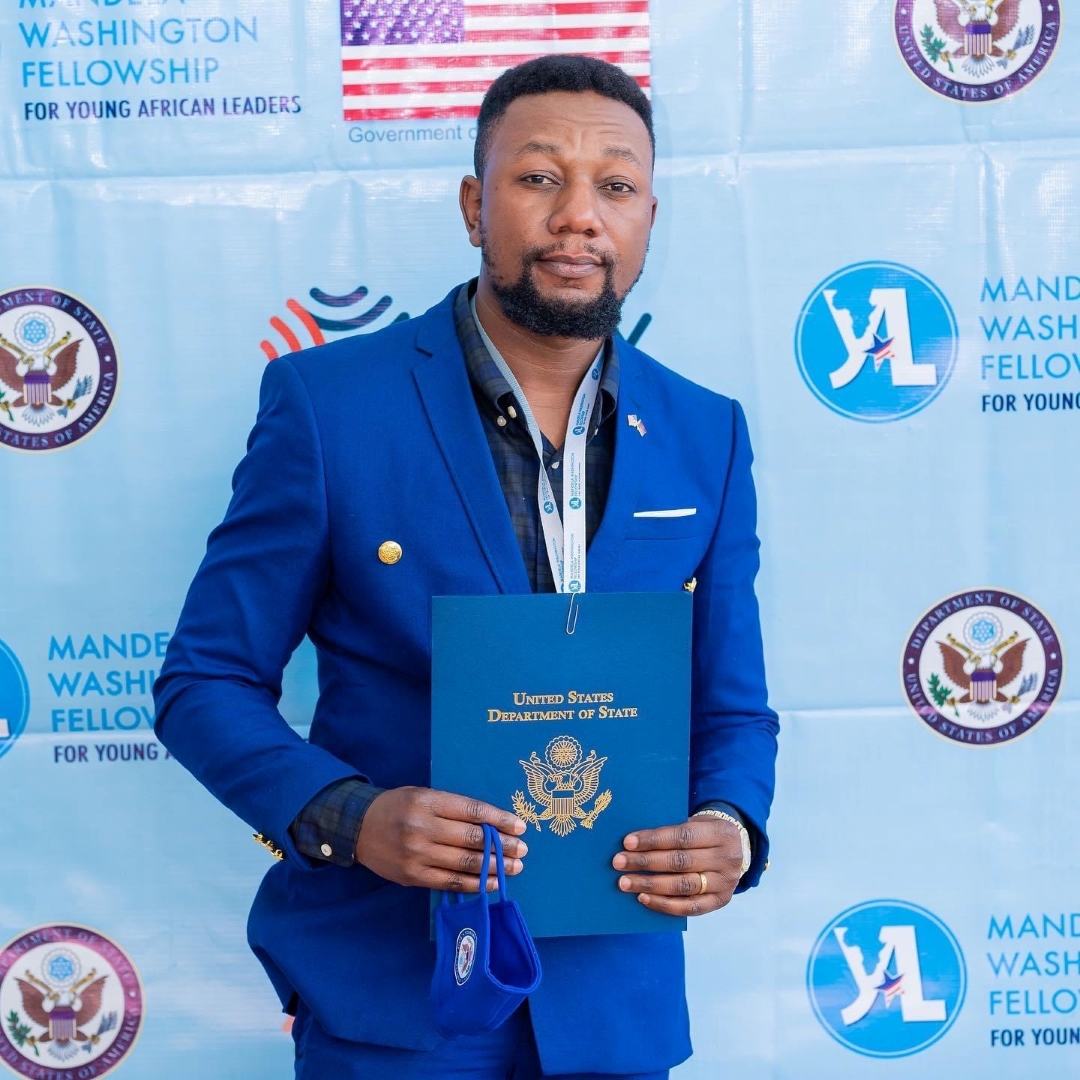
Toussaint Farini Buunda
Congolese community organiser who co-founded Salama Africa and expanded arts and learning opportunities for young people in Dzaleka.
Culture
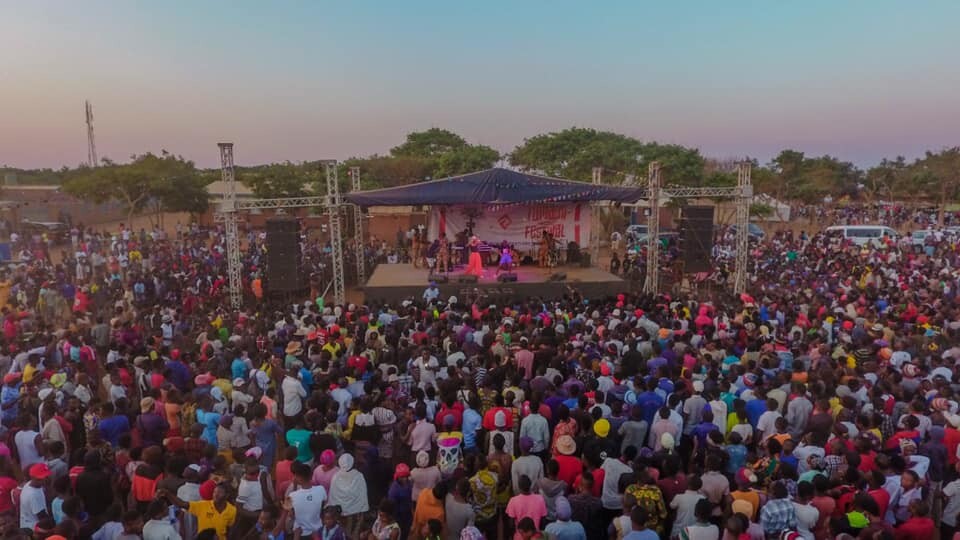
Tumaini Festival
A refugee-led arts and culture festival founded in Dzaleka in 2014, bringing camp residents, Malawian communities, and visiting artists together.
Institution
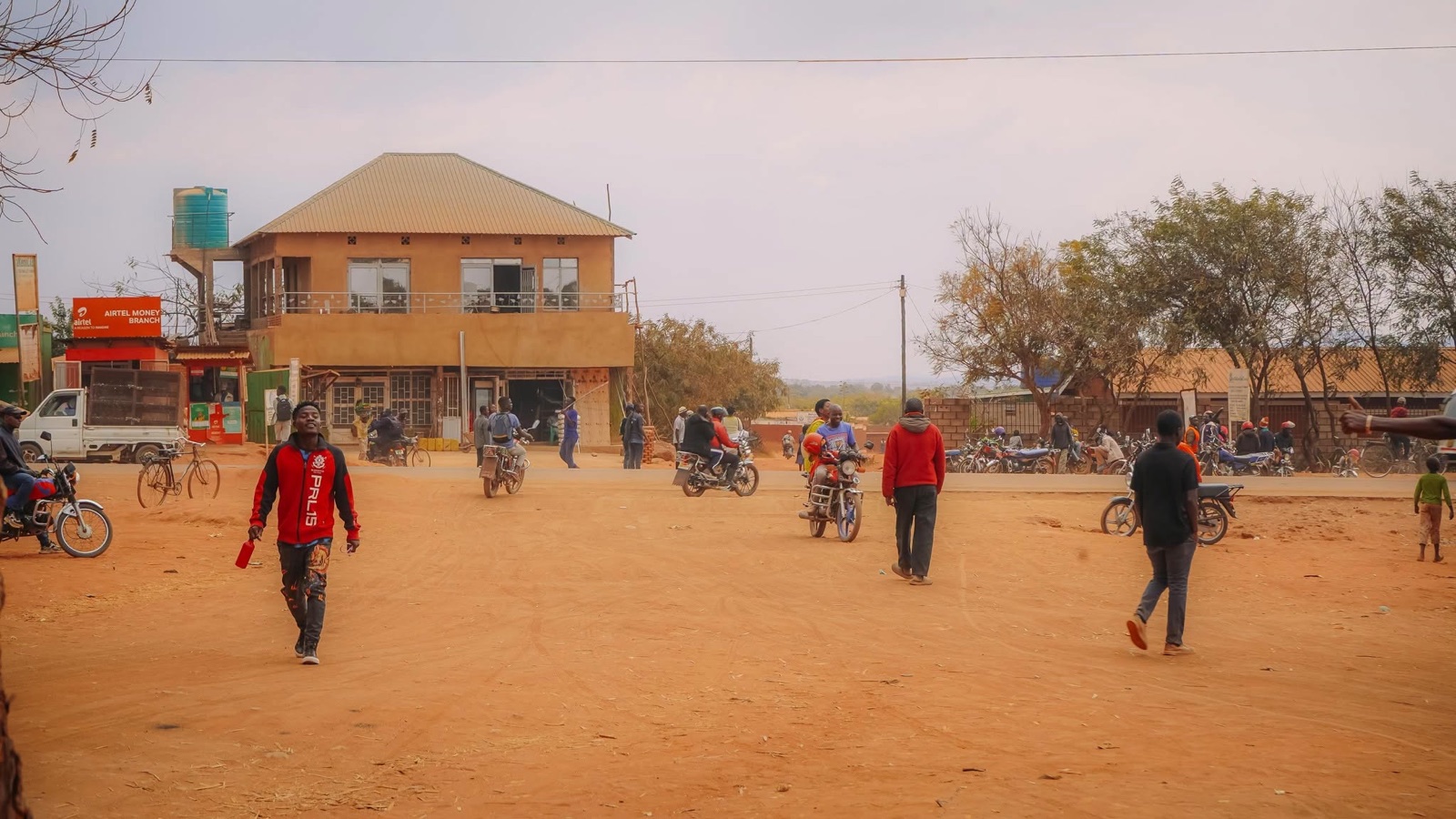
Refugee-led organisations in Dzaleka
Organisations founded or led by refugees that provide education, advocacy, technology, livelihoods, arts, protection, and mutual support within Dzaleka and beyond.
Culture
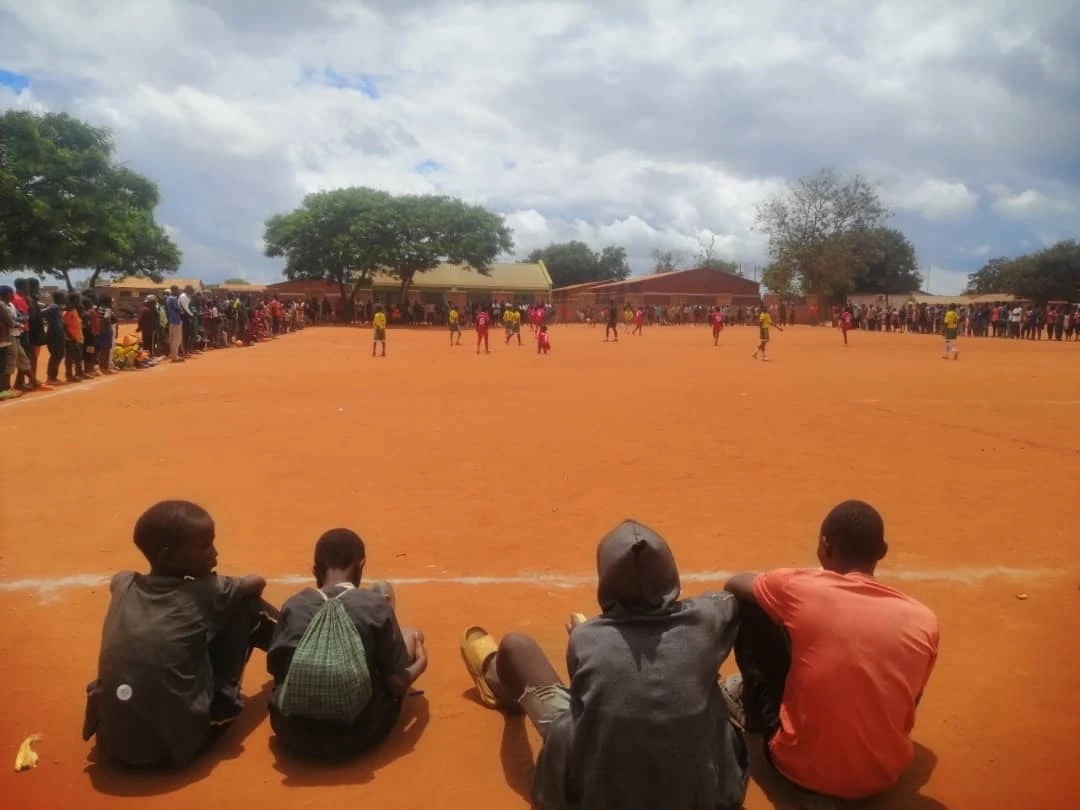
Sport in Dzaleka
A reference entry on football and organised sport in the camp: the fifteen-team football scene, the Dzaleka Sports Association's youth tournaments, and programmes supported by FIFA and other partners.
Place
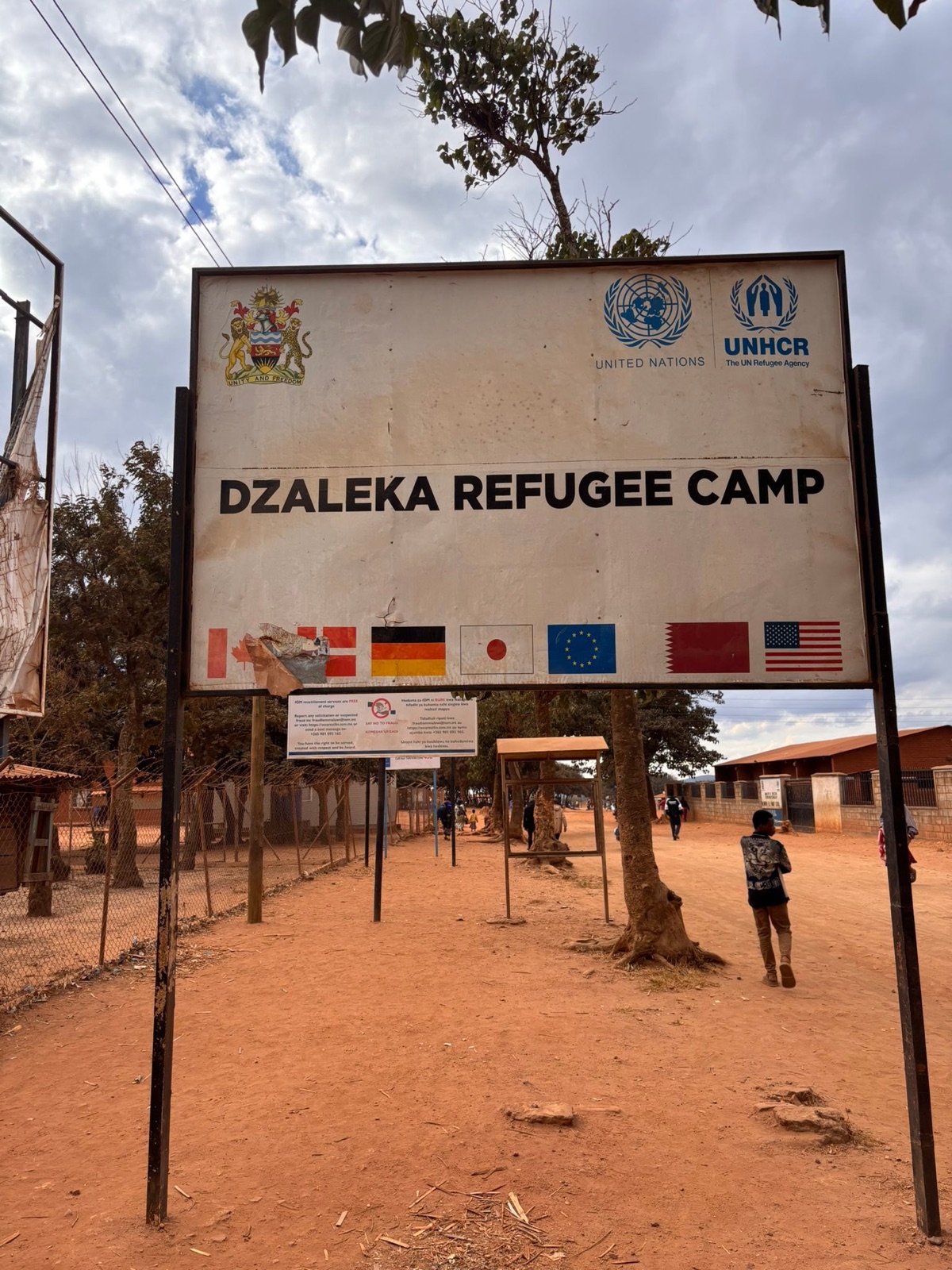
Dzaleka Refugee Camp
A long-established refugee settlement in Dowa District, Malawi, opened in 1994 and now home to a large, multilingual community from the Great Lakes region and the Horn of Africa.
History
Waiting in Dzaleka Refugee Camp: Agency through Self- and Community Organisation
A 2025 Master's thesis by Anna-Lena Stammen (University of Applied Sciences Erfurt) analysing refugee agency, waiting, coping mechanisms, social space mapping, and refugee-led organisations under Malawi's encampment policy.
Help improve this entry
Send a correction, a stronger source, a missing detail, or a photograph. Submissions are reviewed against the encyclopedia's editorial guidance before the public record changes.