History
Waiting in Dzaleka Refugee Camp: Agency through Self- and Community Organisation
A 2025 Master's thesis by Anna-Lena Stammen (University of Applied Sciences Erfurt) analysing refugee agency, waiting, coping mechanisms, social space mapping, and refugee-led organisations under Malawi's encampment policy.
4 min read
Reviewed
Academic research
Key facts about Waiting in Dzaleka Refugee Camp: Agency through Self- and Community Organisation
- Author
- Anna-Lena Stammen
- Institution
- University of Applied Sciences Erfurt (Faculty of Applied Social Sciences)
- Degree
- Master of Arts in International Social Work
- Supervisors
- Dr. Michael Bigos and Dr. Katja Ludwig
- Submission date
- 31 January 2025
- Methodology
- Social Space Analysis, Social Mapping (PRA), and qualitative interviews
- Core concepts
- Waiting, Liminality, Aspirational Liminality, Refugee Agency, Encampment Policy, Duality of Hope
- Repository
- DB-Thüringen (University of Erfurt digital library)
On this page
Waiting in Dzaleka Refugee Camp - Agency through self- and community organisation is a 2025 Master’s thesis by Anna-Lena Stammen, submitted to the Faculty of Applied Social Sciences at the University of Applied Sciences Erfurt. Grounded in qualitative fieldwork and an internship with Tumaini Letu, the research investigates how refugees residing in Dzaleka experience temporal restriction, legal encampment, and bureaucratic limbo, and how they exercise self-determination and agency through Refugee-Led Organisations (RLOs).
The thesis bridges sociological theories of forced migration, camp urbanism, and the “politics of waiting” with empirical data gathered directly from camp residents and community leaders.
Methodology and Camp Micro-Geography
The study employs qualitative social research methods, combining semi-structured interviews with Social Space Analysis (Sozialraumanalyse) and Social Mapping — a method adapted from Participatory Rural Appraisal (PRA).
Through social mapping, the research analyses the spatial geography, infrastructure, and neighborhood dynamics of Dzaleka:
- Camp Neighborhoods: The research documents how residents have named camp sectors after Malawian cities and Lilongwe neighborhoods (such as Blantyre, Karonga, Kawale, and Likuni), reflecting cultural integration and localized spatial identity.
- Katudza Sector: Highlighted as a key institutional hub in the upper camp, Katudza houses the Katudza Primary and Secondary School (formerly managed by JRS, now Moravian), the camp filling station, the Katudza Tuesday Market, and several prominent RLO offices including TakeNoLab, Inua Advocacy, and Solidarity of Refugee Women for the Social Welfare (SOFERES).
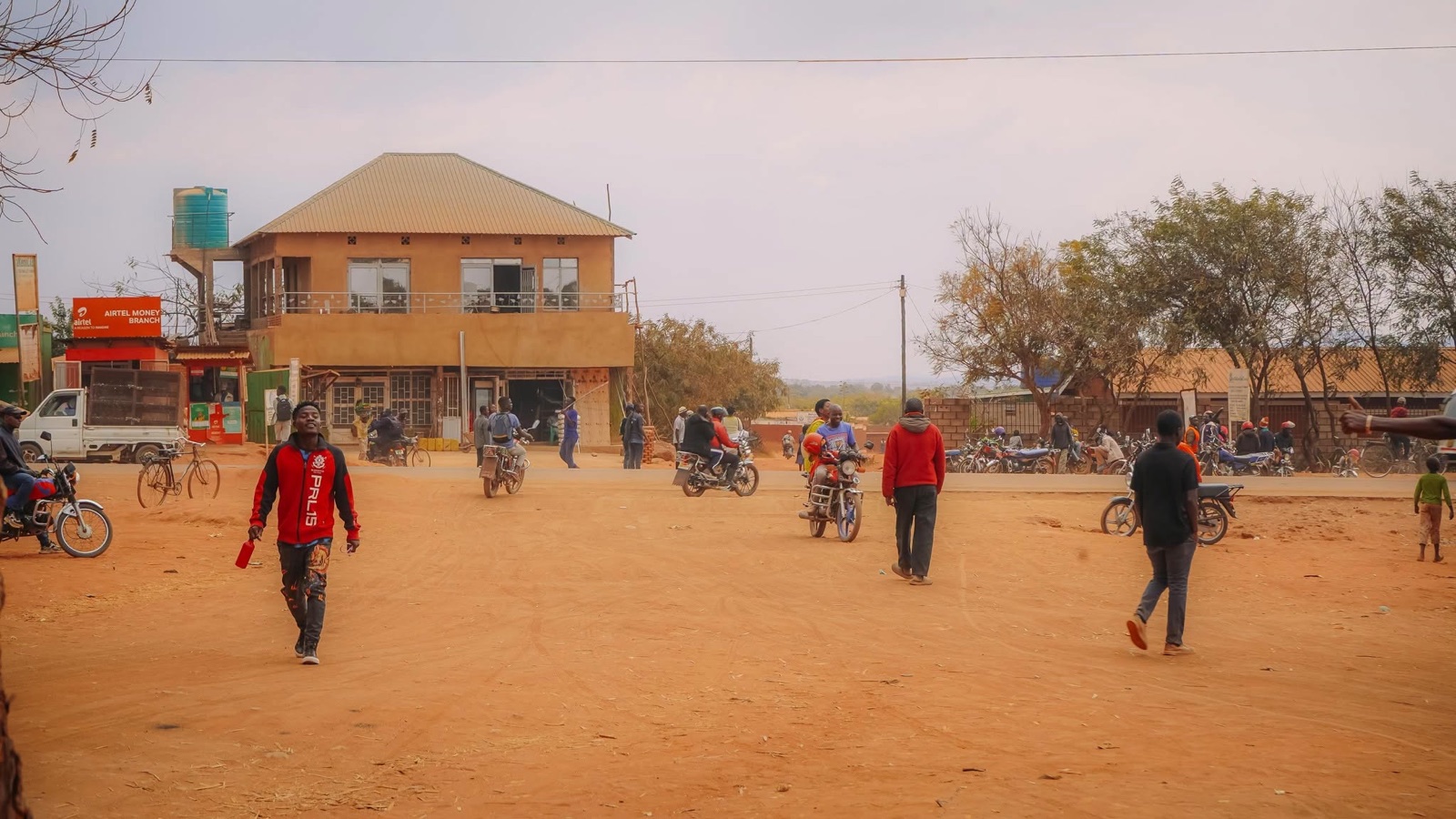
- Camp Urbanism: Drawing on Michel Agier’s concept of refugee camps as a duality between a heterotopia (an isolated, marginal space) and an emerging urban form, the thesis documents how Dzaleka operates as a dynamic “camp-city” with dense residential sectors, vibrant open-air markets, transport links to Lilongwe and Dowa, and self-organised social infrastructure.
- Impact of 2023 Forced Relocation: The research captures the immediate consequences of the Government of Malawi’s 2023 directive that forcibly returned thousands of refugees from urban areas back to Dzaleka. This policy heightened overcrowding, put severe strain on water and shelter resources, and disrupted established livelihoods.
The Politics of Waiting, Mental Health, and the “Duality of Hope”
A central contribution of the thesis is its analysis of how “waiting” is experienced, weaponized, and resisted in encampment settings:
- Passive vs. Active Waiting: Stammen distinguishes between passive waiting (“dead time” characterized by boredom, powerlessness, frustration, and depression resulting from encampment policies and multi-year resettlement delays) and active waiting (“alive time” where residents reclaim agency through education, artistic expression, entrepreneurship, and community work).
- The Duality of Hope: The research identifies a unique dual function of hope among residents. On one hand, hope serves as a vital present-day motivation to endure hardship and pursue long-term goals. On the other hand, prolonged hope tethered to external resettlement decisions (“10 years hoping, 50 years hoping”) can become an agonizing source of psychological pain and paralysis, making active community living essential for mental health.
- Mind Freedom over Physical Encampment: The thesis highlights how digital education, art, and entrepreneurship allow residents to transcend physical confinement. As one young leader quoted in the study stated: “Though my body is limited to one location, in my mind I am not in prison.”
Livelihood Strategies and Internal RLO Employment
In response to severe reductions in humanitarian assistance — such as World Food Programme (WFP) food ration cuts down to approximately $5 USD equivalent per person per month — residents adopt multi-job survival strategies:
- Informal Multi-Job Hustling: Families combine micro-enterprise trading, tailoring, bricklaying, teaching, agricultural day labor on nearby host-community farms, and online freelancing to meet basic needs.
- Internal Employment Generation: The thesis documents how RLOs actively circumvent legal restrictions on formal refugee employment by creating internal roles, paying stipends, and securing paid external contracts for members. For example, Salama Africa hires dancers directly, generates salaries through performances, and connects members to paid dance-teaching roles in Lilongwe.
- Digital Work as Spatial Relocation: Initiatives like TakeNoLab train youth in software development and remote freelancing, enabling them to earn income from international clients and establish economic autonomy despite encampment laws.
RLO Initiatives and Host-Community Integration
The thesis evaluates Refugee-Led Organisations as vehicles for changing narratives and fostering intercultural peace:
- Tumaini Home Stay and Host Events: Tumaini Letu’s flagship Dzaleka Home Stay program invites Malawian and international visitors to live with refugee families during the Tumaini Festival. Supplemental initiatives like Dining with Refugees and Tumaini Letu Cocktail Nights in Lilongwe further dismantle social barriers.
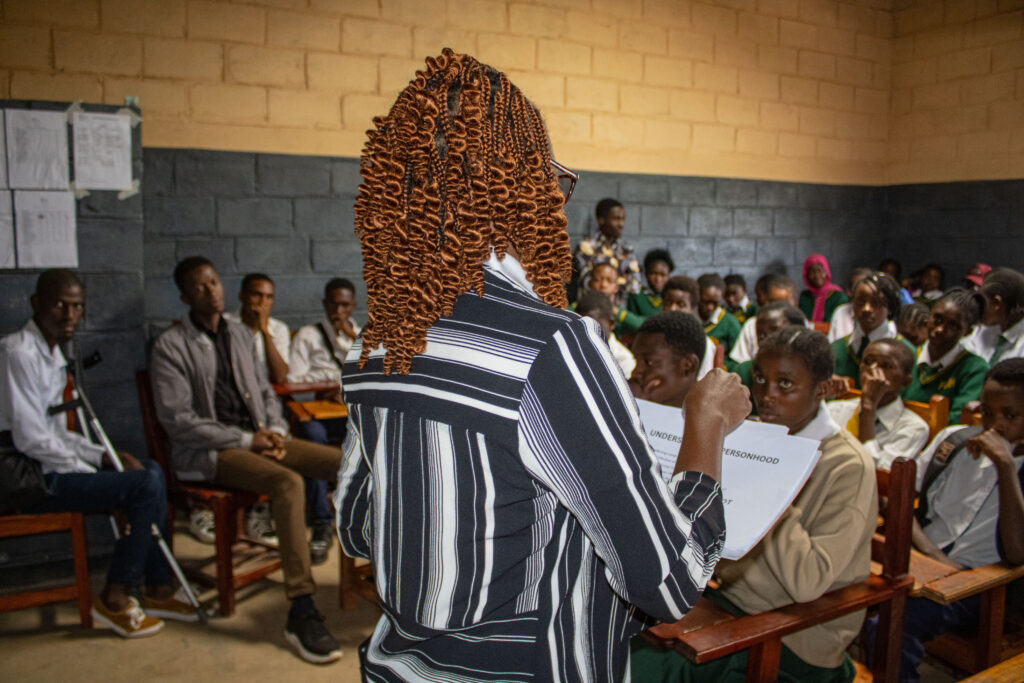
- Peer Mentorship (“Leaders Talk”): RLOs organise community forums where residents who have overcome severe hardship share their experiences, providing peer mentorship and practical inspiration to youth facing uncertainty.
- Artistic Pride and Equal Standing: Artistic collectives enable refugee youth to perform alongside Malawian artists, fostering a sense of equal standing and self-worth: “They just look at him and like: he’s an artist just like me. We are all artists.”
Academic Significance
Stammen’s thesis adds to the growing body of empirical literature documenting refugee agency in Southern Africa. It emphasises that while encampment policies subject refugee bodies to strict institutional control, residents actively subvert passive victimhood by constructing vibrant community networks, creative platforms, and self-governing initiatives.
References
Sources
- 1Waiting in Dzaleka Refugee Camp - Agency through self- and community organisation
University of Applied Sciences Erfurt / DB-Thüringen, 31 January 2025
Master's Thesis in International Social Work, supervised by Dr. Michael Bigos and Dr. Katja Ludwig.
Related entries
Place
Dzaleka Refugee Camp
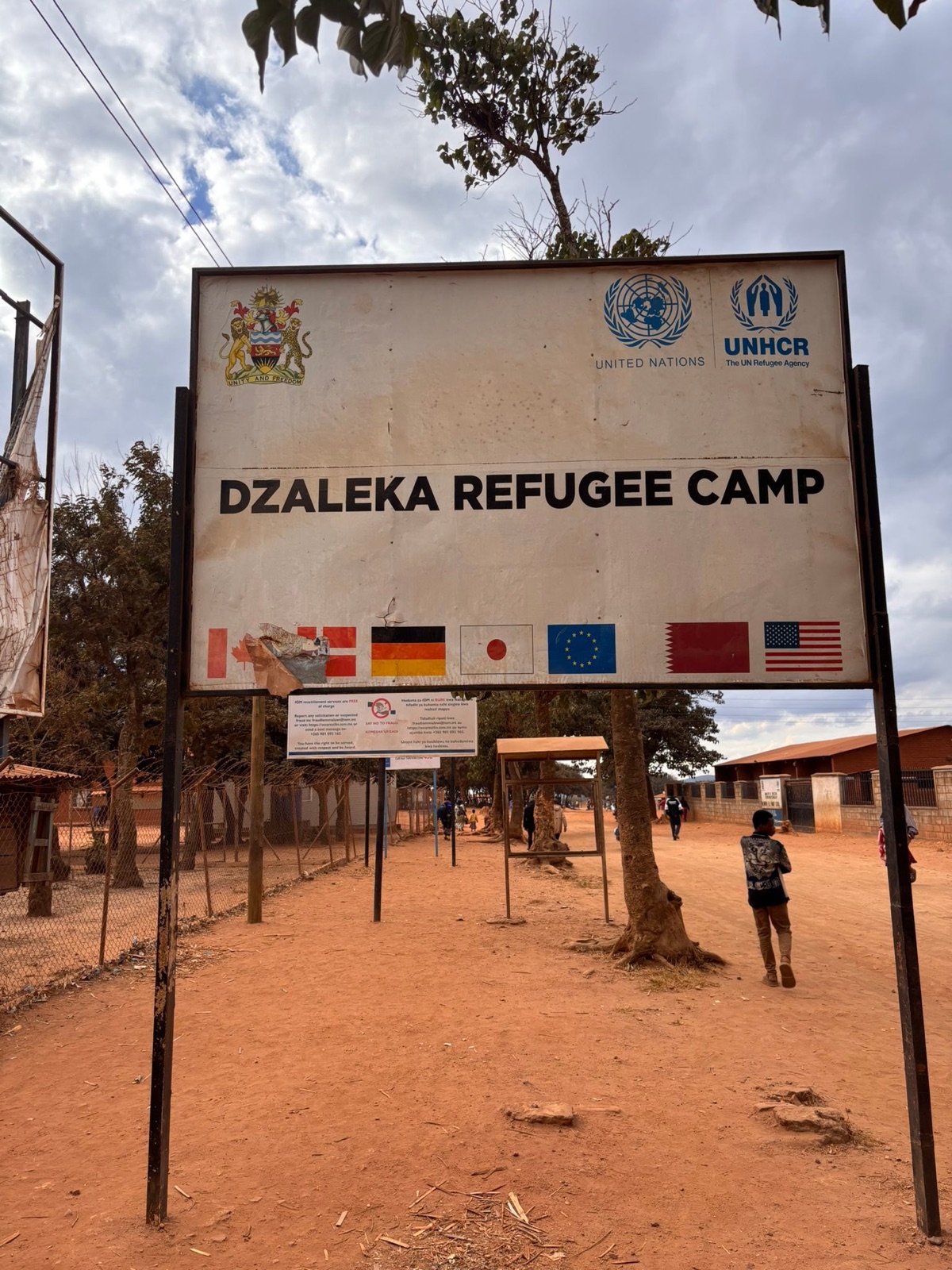
A long-established refugee settlement in Dowa District, Malawi, opened in 1994 and now home to a large, multilingual community from the Great Lakes region and the Horn of Africa.
History
Refugee law and encampment policy in Malawi
The legal and policy framework that shapes residence, movement, education, work, and administration for refugees and asylum-seekers living at Dzaleka.
Institution
Refugee-led organisations in Dzaleka
Organisations founded or led by refugees that provide education, advocacy, technology, livelihoods, arts, protection, and mutual support within Dzaleka and beyond.
Institution
Tumaini Letu
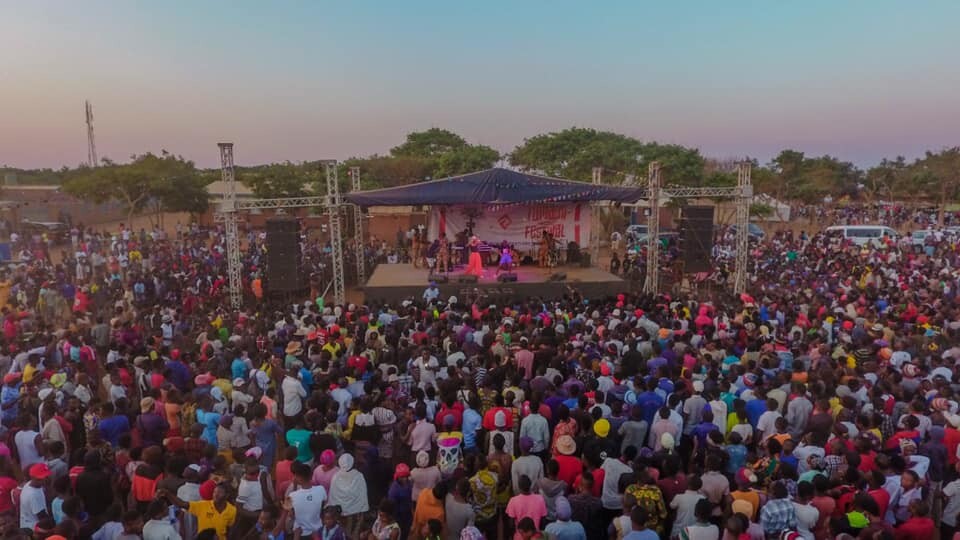
The refugee-led non-profit founded in 2012 by Trésor Nzengu Mpauni (Menes la Plume) that organises the Tumaini Festival and runs cultural and economic inclusion programmes from within Dzaleka.
Culture
Tumaini Festival
A refugee-led arts and culture festival founded in Dzaleka in 2014, bringing camp residents, Malawian communities, and visiting artists together.

Culture
Salama Africa
A refugee-founded dance group and intercultural youth centre in Dzaleka, established in 2014, that has competed in national dance competitions and runs arts and sports activities for young people.
Education
TakeNoLab
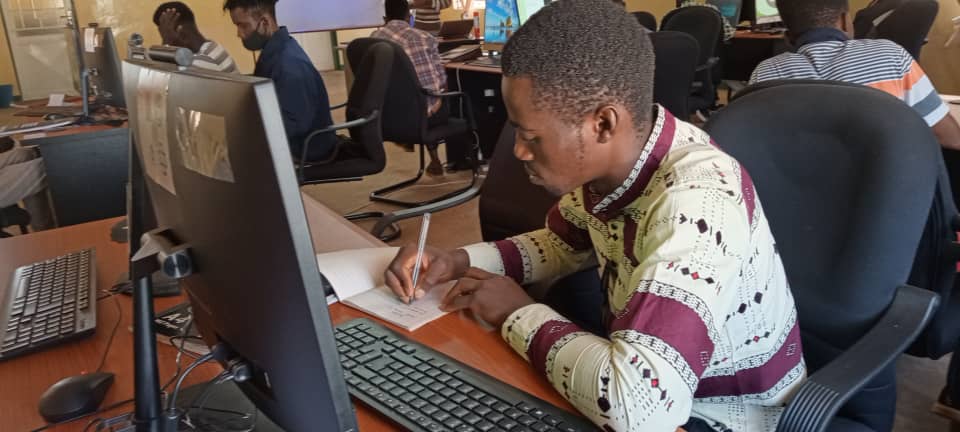
A free technology school founded by Remy Gakwaya in 2015 outside the Dzaleka gates, teaching digital skills, online freelancing, and entrepreneurship to refugees and Malawians.
Infrastructure
Livelihoods and the local economy
How residents earn income through trade, services, agriculture, creative work, training, and digital labour despite restrictions on movement and formal employment.
Health
Mental health in Dzaleka
A reference entry on the 2022 Psychiatry Research screening study, the gap between measured distress and available psychosocial services, and the organisations providing support in the camp.
Help improve this entry
Send a correction, a stronger source, a missing detail, or a photograph. Submissions are reviewed against the encyclopedia's editorial guidance before the public record changes.