Institution
Refugee-led organisations in Dzaleka
Organisations founded or led by refugees that provide education, advocacy, technology, livelihoods, arts, protection, and mutual support within Dzaleka and beyond.
2 min read
Reviewed
Key facts about Refugee-led organisations in Dzaleka
- Common term
- Refugee-led organisation (RLO)
- Fields of work
- Education, rights, technology, livelihoods, arts, health, protection, and mutual aid
- Operating context
- Independent initiatives and partnerships with government, UN, NGO, and host-community institutions
On this page
What the term means
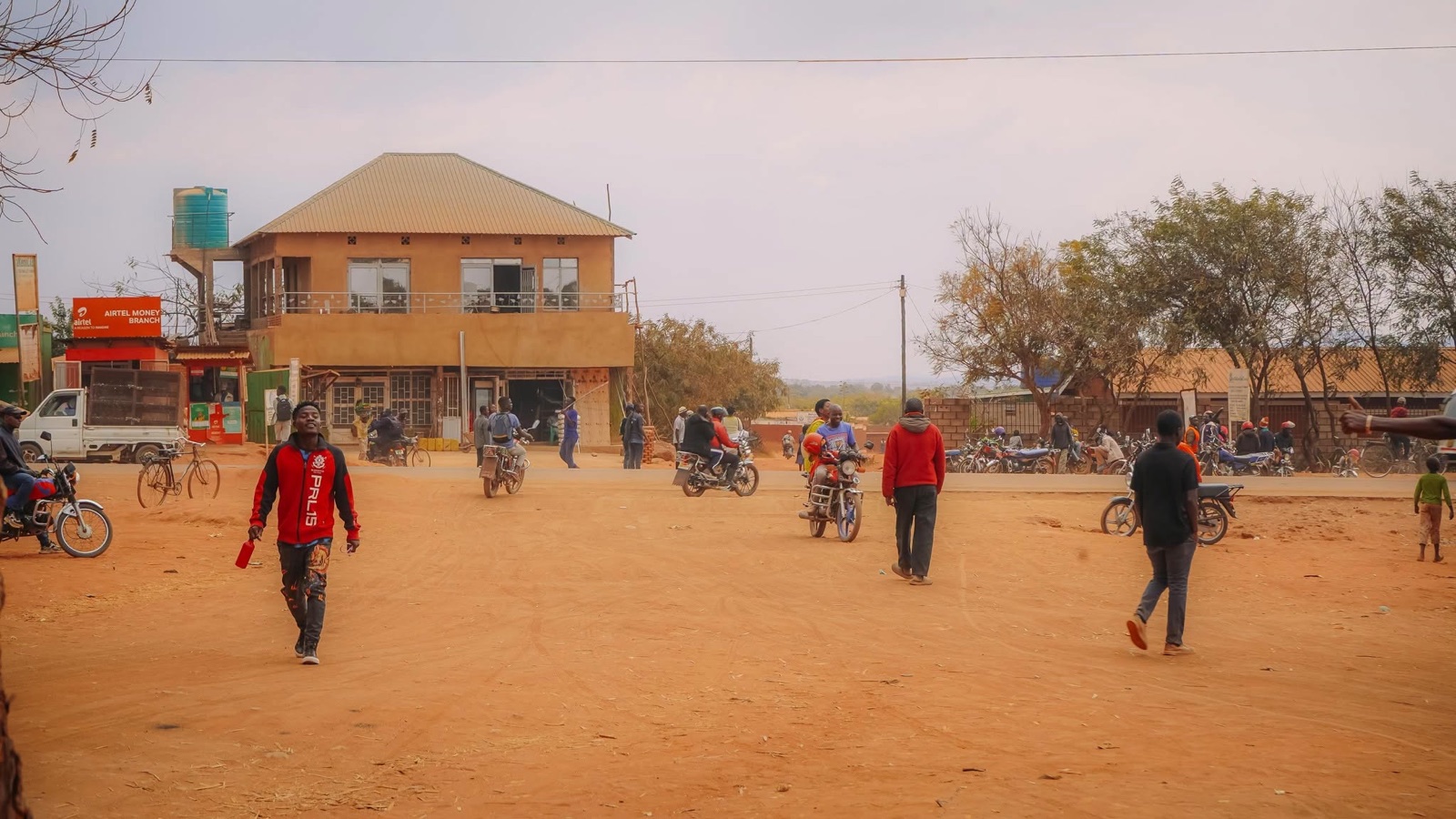
A refugee-led organisation is an organisation in which refugees have substantial leadership and decision-making power. At Dzaleka, these organisations range from registered non-profits and networks to community groups, social enterprises, schools, cultural organisations, and mutual-aid initiatives.
They are not one sector with a single structure. Some work independently; others implement projects with UN agencies, international organisations, government departments, foundations, or Malawian civil-society groups. Sociological research on Dzaleka (for example, Stammen 2025) emphasises that RLOs serve as critical channels through which residents claim agency and self-determination amidst legal limbo and encampment constraints.
Areas of work
Resident-led initiatives have worked in education, computer training, livelihoods, women’s support, disability inclusion, arts, radio, sport, legal advocacy, public health, and emergency assistance. Their local knowledge can help programmes identify needs, communicate in multiple languages, and reach communities that larger institutions may not easily reach.
Examples documented in public sources include TakenoLAB, Fountain of Hope, the Refugee-Led Organisation Network, Tumaini Festival, and Solidarity of Refugee Women for the Social Welfare. Inclusion here is illustrative rather than a complete or current directory.
Recognition and resources
UNHCR’s evaluation of livelihoods programming in Malawi records refugee-led organisations implementing their own projects in Dzaleka. At the same time, RLOs can face funding, registration, banking, movement, and institutional-access barriers that affect their ability to operate on equal terms with larger organisations. Academic research highlights that despite these structural hurdles, engagement in RLOs acts as an essential coping mechanism against boredom, isolation, and enforced dependence.
Keeping the record current
Community organisations change frequently. Some close, merge, relocate, or change names; new groups form in response to emerging needs. The encyclopedia records institutional history, while the service directory should be used for current contacts and operating status.
References
Sources
- 1Waiting in Dzaleka Refugee Camp - Agency through self- and community organisation
University of Applied Sciences Erfurt / DB-Thüringen, 31 January 2025
Master's thesis analysing refugee agency, coping mechanisms, and RLO engagement in Dzaleka.
- 2Malawi Refugee Guide
Inua Advocacy, December 2024
- 3
- 4
Related entries
Place
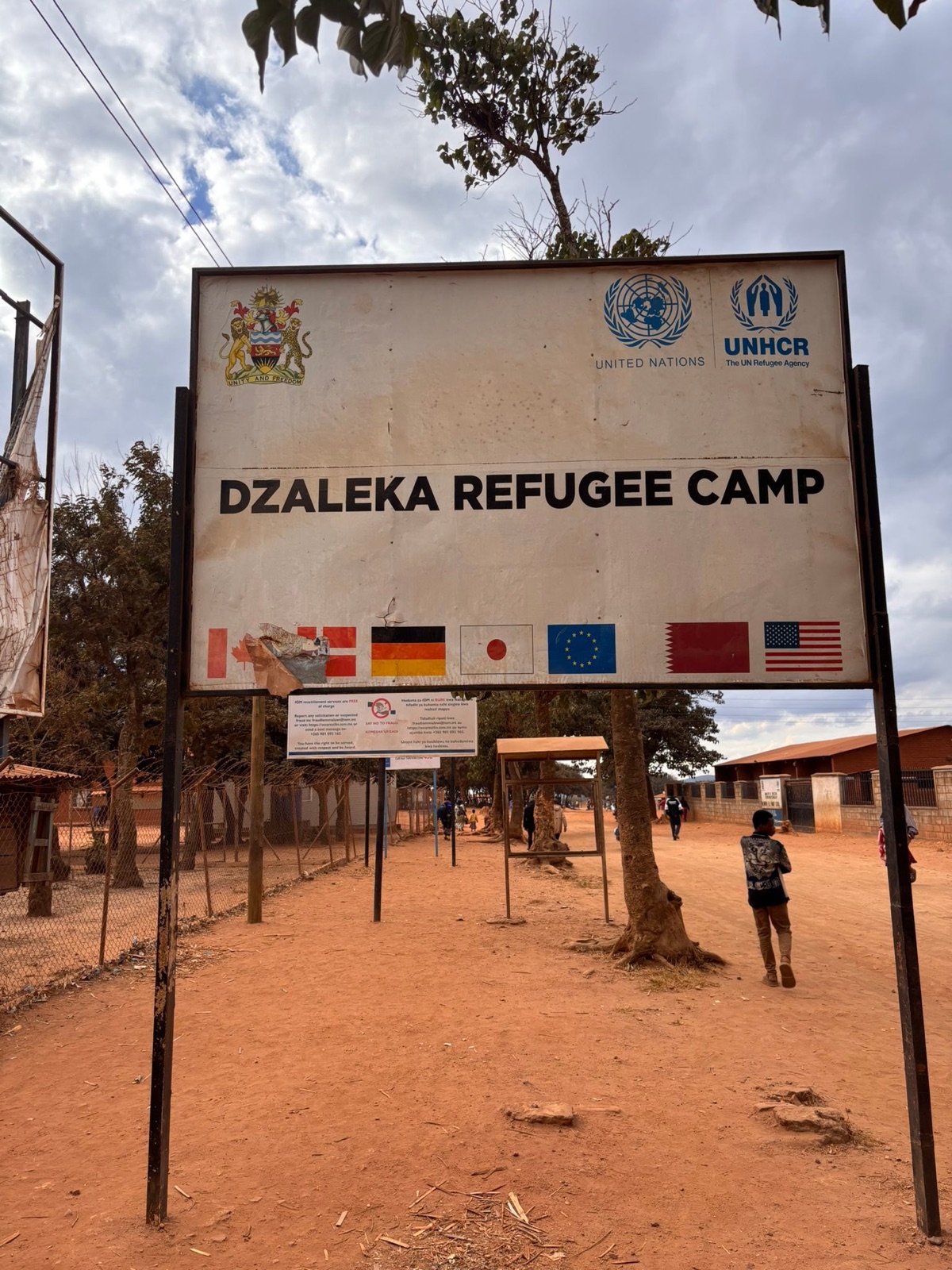
Dzaleka Refugee Camp
A long-established refugee settlement in Dowa District, Malawi, opened in 1994 and now home to a large, multilingual community from the Great Lakes region and the Horn of Africa.
Institution
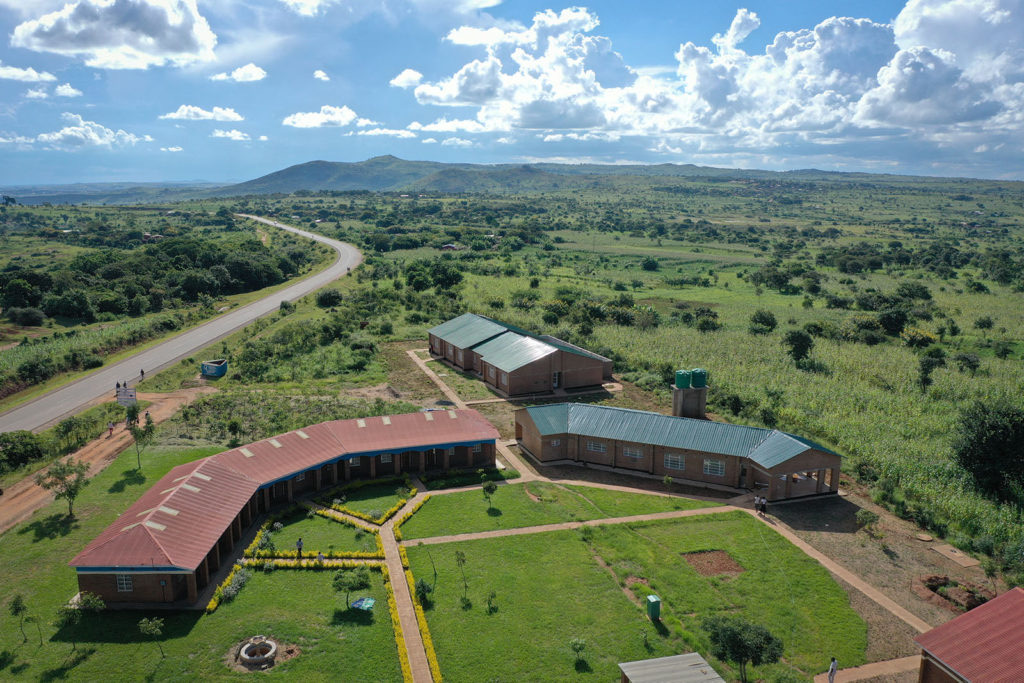
There Is Hope Malawi
A Malawian non-profit organisation founded from Dzaleka experience that provides vocational education, enterprise support, scholarships, and other self-reliance programmes for refugees and host communities.
Institution
Inua Advocacy
A refugee-rights organisation founded by Innocent Magambi that works on legal assistance, policy reform, accountability, emergency support, and public understanding of refugee life in Malawi.
Education
Dzaleka AppFactory
A software-development training programme launched in Dzaleka in 2017 through Microsoft 4Afrika and UNHCR's Connectivity for Refugees initiative.
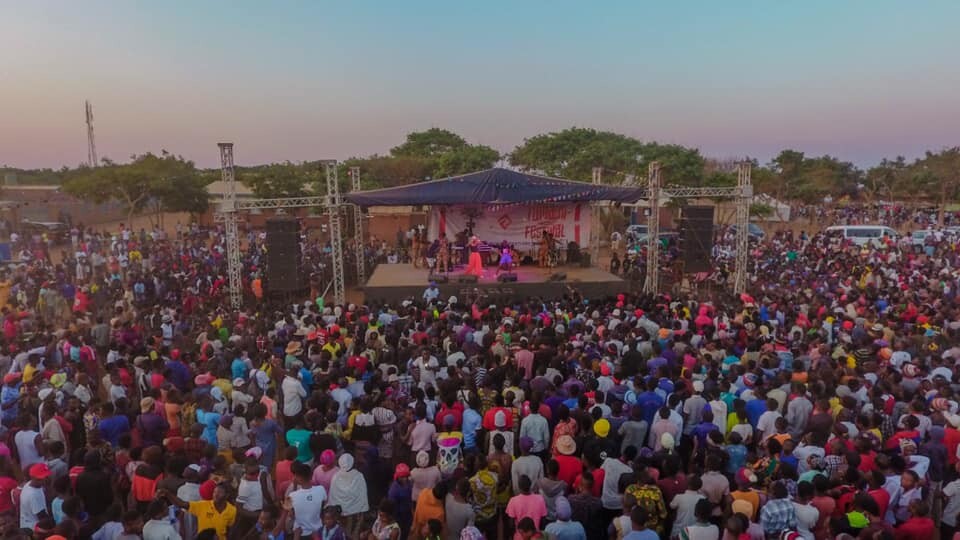
Culture
Tumaini Festival
A refugee-led arts and culture festival founded in Dzaleka in 2014, bringing camp residents, Malawian communities, and visiting artists together.

Institution
Yetu Community Radio
A multilingual community radio station based in Dzaleka, established to serve refugee and Malawian communities with public information and community programming.
History
Waiting in Dzaleka Refugee Camp: Agency through Self- and Community Organisation
A 2025 Master's thesis by Anna-Lena Stammen (University of Applied Sciences Erfurt) analysing refugee agency, waiting, coping mechanisms, social space mapping, and refugee-led organisations under Malawi's encampment policy.
Help improve this entry
Send a correction, a stronger source, a missing detail, or a photograph. Submissions are reviewed against the encyclopedia's editorial guidance before the public record changes.