History
Refugee law and encampment policy in Malawi
The legal and policy framework that shapes residence, movement, education, work, and administration for refugees and asylum-seekers living at Dzaleka.
2 min read
Reviewed
Key facts about Refugee law and encampment policy in Malawi
- Principal national law
- Refugees Act, 1989
- International framework
- 1951 Refugee Convention and 1967 Protocol, subject to Malawi's reservations
- Residence policy
- Encampment policy centred on Dzaleka
- Act review
- National validation workshop held in February 2026
On this page
National and international framework
Malawi is party to the 1951 Refugee Convention and its 1967 Protocol. Its principal domestic legislation is the Refugees Act of 1989. UNHCR records that Malawi maintains reservations to several Convention provisions, and that the domestic framework restricts movement, residence, employment, and access to some public services.
This article is a general reference, not legal advice. Current legal questions should be checked against the legislation, government notices, and qualified legal assistance.
Encampment policy
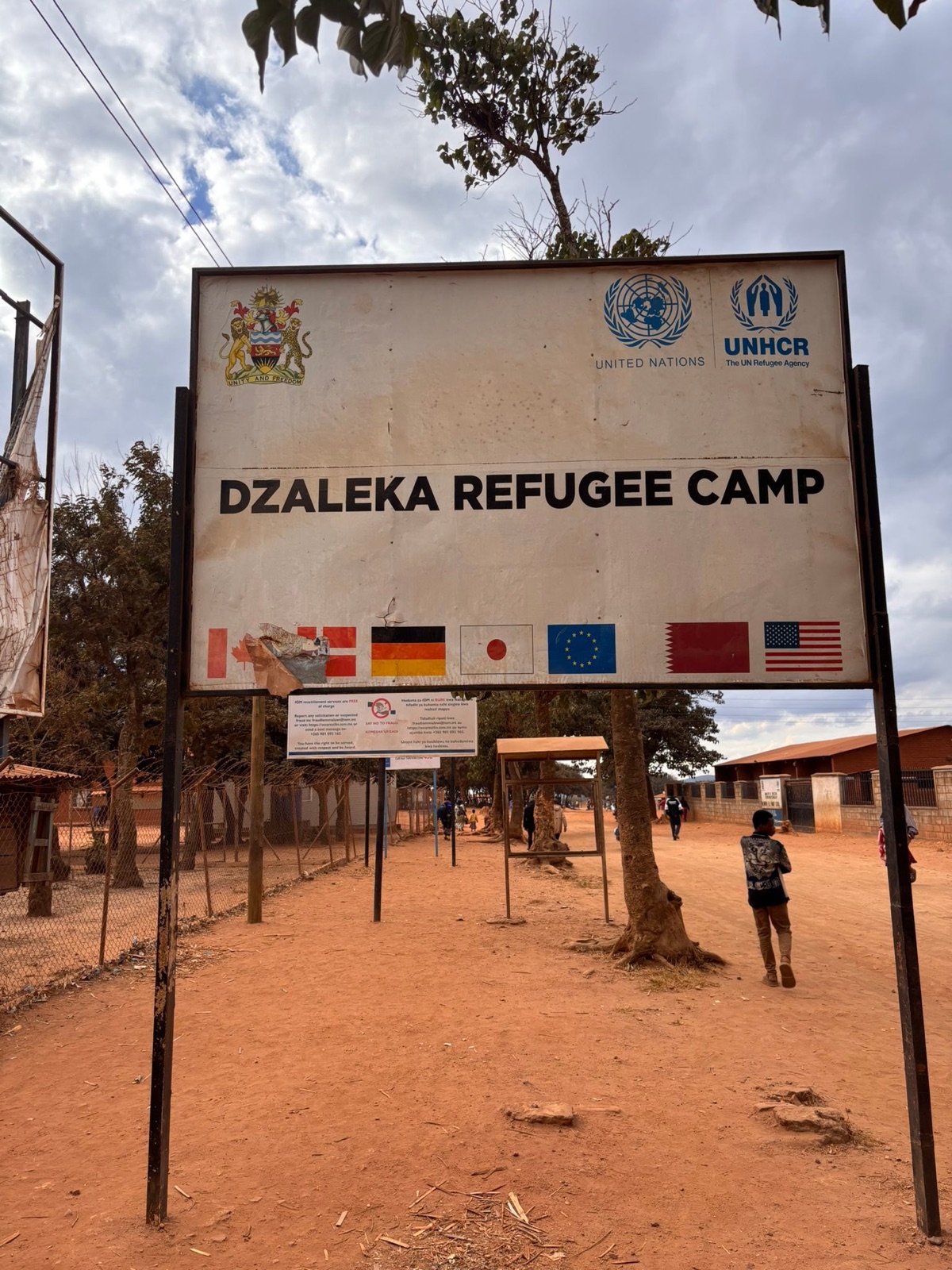
Malawi’s encampment policy generally requires refugees and asylum-seekers to live at Dzaleka unless authorised to reside or travel elsewhere. Exit permits can be important for education, specialised medical care, work, or other travel outside the camp. Sociological analysis (for example, Stammen 2025) describes the encampment system as a spatial technology that enforces prolonged “waiting” and legal limbo, which residents counter through self-reliance initiatives and community organisations.
In March 2023, the Government directed refugees and asylum-seekers living in urban and rural areas to return to Dzaleka. UNHCR reported that the relocation increased pressure on an already congested settlement and called for rights and dignity to be protected during the process. Academic research records that the forced returns exacerbated housing shortages, heightened social tension, and displaced residents from urban livelihoods.
Work and education
Restrictions affect access to formal employment and business activity outside Dzaleka. Refugees may require permits and can face practical barriers in recognition of qualifications, higher education fees, travel, banking, and documentation. These conditions have contributed to a large informal economy inside the camp and interest in digital work that can cross geographic boundaries.
Reform process
Malawi made commitments through the Comprehensive Refugee Response Framework to pursue legal and policy reform and greater self-reliance. In February 2026, the Malawi Law Commission held a national validation workshop on its review of the Refugees Act, including refugee status determination, rights and obligations, institutional arrangements, and the ending of refugee status. The validation workshop was part of a review process; this entry does not treat proposed reforms as enacted law.
References
Sources
- 1Waiting in Dzaleka Refugee Camp - Agency through self- and community organisation
University of Applied Sciences Erfurt / DB-Thüringen, 31 January 2025
Master's thesis evaluating encampment policy, waiting, and spatial governance in Dzaleka.
- 2Malawi country page
UNHCR Operational Data Portal
- 3UNHCR and Government of Malawi commit to improve the welfare of refugees
UNHCR, 15 June 2023
- 4National Validation Workshop on the Review of Refugees Act
Malawi Law Commission, 11 February 2026
- 5Malawi Refugee Guide
Inua Advocacy, December 2024
Related entries
History
2023 forced relocation to Dzaleka
A 2023 Malawi government campaign to enforce the encampment policy, ordering refugees living outside Dzaleka to return by April and forcibly relocating people from May, documented by Human Rights Watch.
Place
Dzaleka Refugee Camp
A long-established refugee settlement in Dowa District, Malawi, opened in 1994 and now home to a large, multilingual community from the Great Lakes region and the Horn of Africa.
History
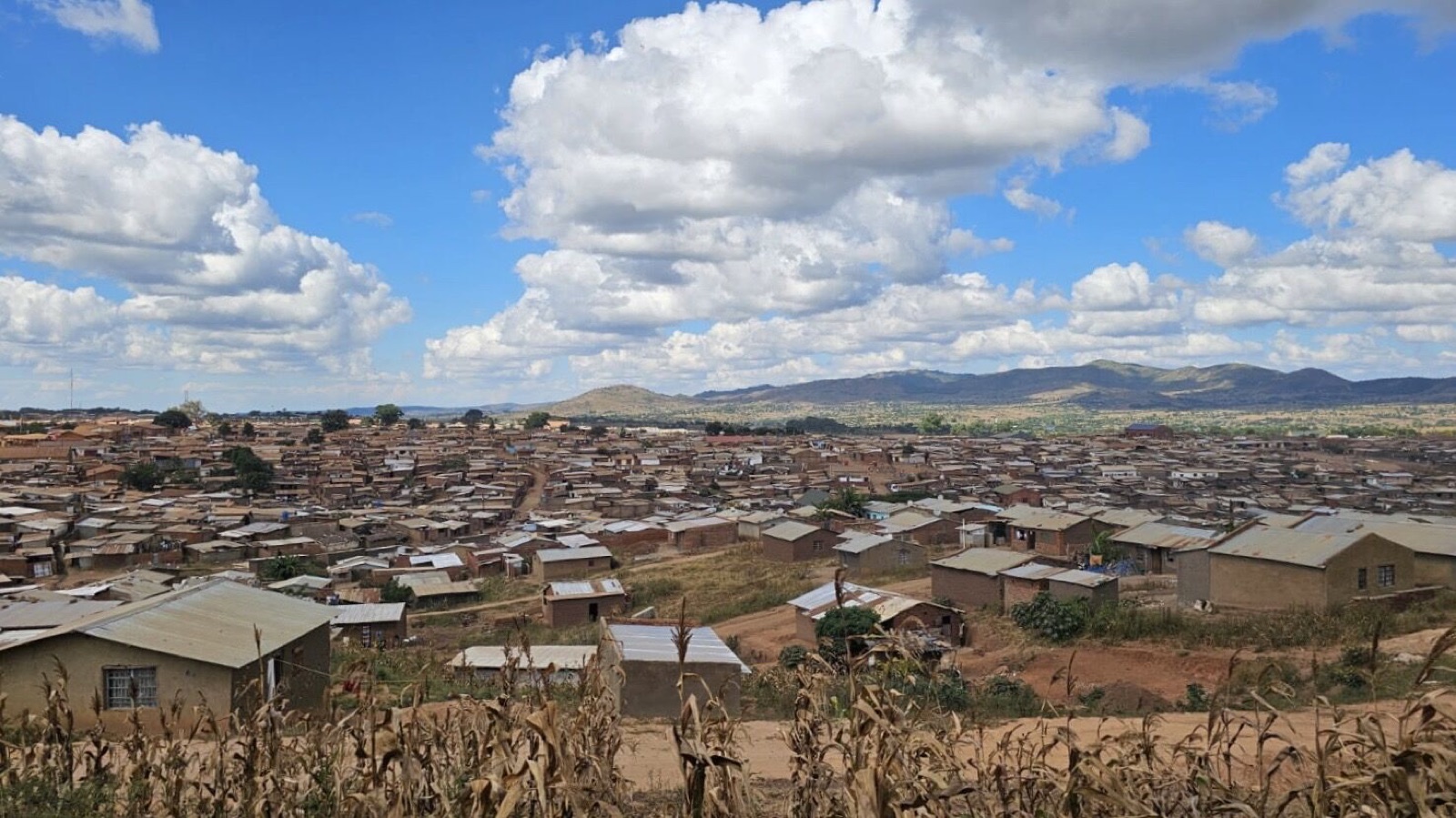
History of Dzaleka
How Dzaleka developed from a camp opened in 1994 into Malawi's principal refugee settlement, including the consolidation of residents from Luwani and decades of population growth.
Infrastructure
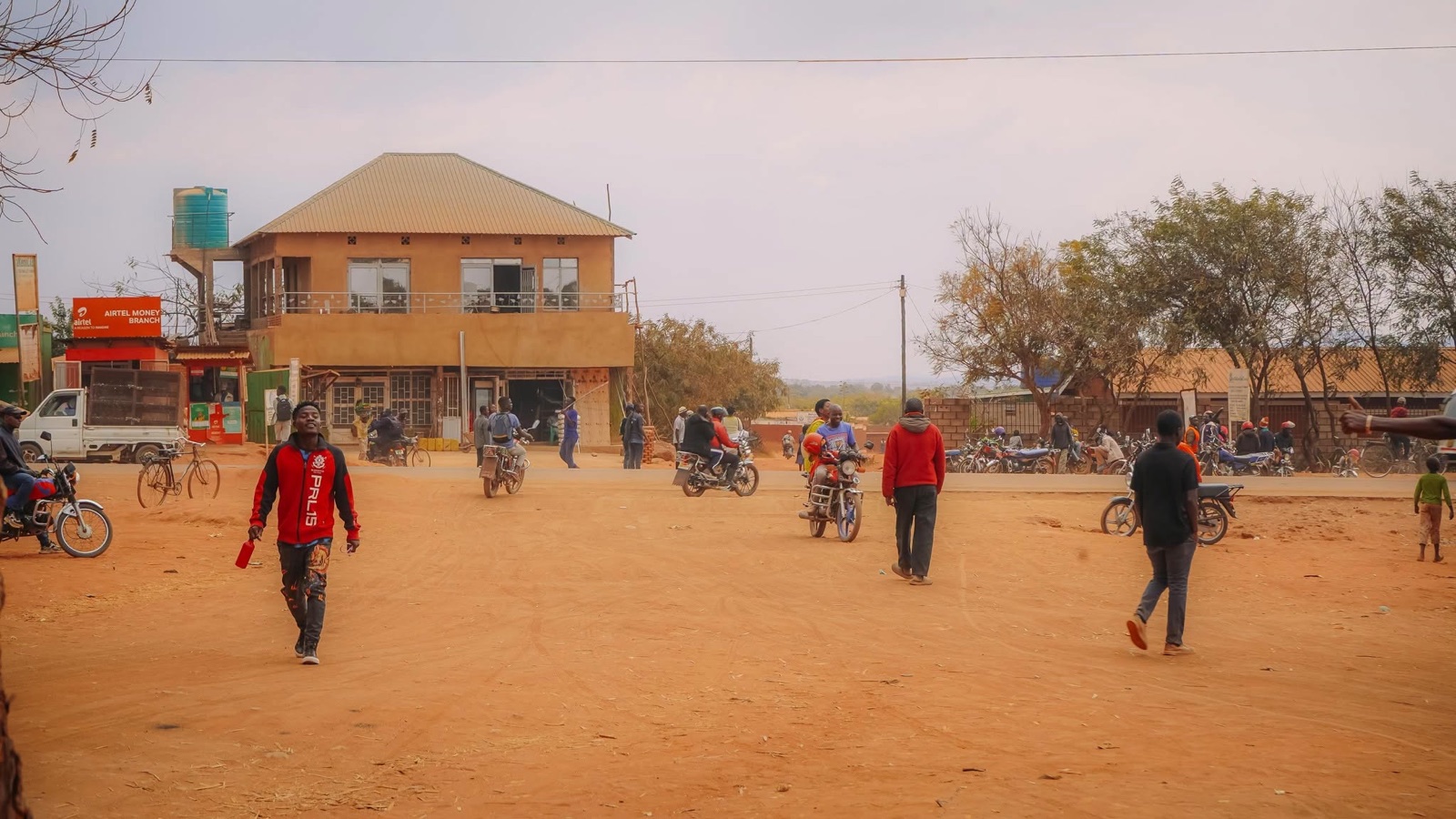
Livelihoods and the local economy
How residents earn income through trade, services, agriculture, creative work, training, and digital labour despite restrictions on movement and formal employment.
Institution
Inua Advocacy
A refugee-rights organisation founded by Innocent Magambi that works on legal assistance, policy reform, accountability, emergency support, and public understanding of refugee life in Malawi.
History
Waiting in Dzaleka Refugee Camp: Agency through Self- and Community Organisation
A 2025 Master's thesis by Anna-Lena Stammen (University of Applied Sciences Erfurt) analysing refugee agency, waiting, coping mechanisms, social space mapping, and refugee-led organisations under Malawi's encampment policy.
Help improve this entry
Send a correction, a stronger source, a missing detail, or a photograph. Submissions are reviewed against the encyclopedia's editorial guidance before the public record changes.