Health
Employment, disability and violence in the 2024 MDHS
Also known as Dzaleka social development 2024, Dzaleka disability MDHS, Dzaleka violence survey
Dzaleka survey estimates on employment among currently married adults, functional difficulty among people aged five and older, and women's reported experience of violence.
2 min read
Reviewed
Academic research
On this page
Employment
The report’s employment comparison is narrower than a general employment rate. It covers currently married women and men aged 15 to 49 and asks whether they were employed during the preceding 12 months.
Within that group, 48 percent of women and 84 percent of men in Dzaleka reported employment. The corresponding estimates elsewhere in Malawi were 65 percent for women and 93 percent for men. These figures are consistent with an employment gap, but they should not be applied to unmarried adults, people over 49 or the whole working-age population.
The survey measure also does not by itself distinguish formal employment, self-employment, casual work, unpaid work, hours, earnings or legal restrictions. Those questions require the livelihoods and legal-policy records linked from this page.
Functional difficulty and disability
For household members aged five and older, the survey asked about seeing, hearing, communication, remembering or concentrating, walking or climbing steps, and washing or dressing.
In Dzaleka, 85 percent were reported to have no difficulty in any domain, 9 percent some difficulty, 4 percent a lot of difficulty, and fewer than 1 percent no ability at all in at least one domain. The national comparison was 86, 8, 2 and fewer than 1 percent. The share reporting a lot of difficulty was therefore twice as high in the Dzaleka estimate, although the broader distribution was similar.
These functional questions do not describe whether people can obtain accessible housing, assistive devices, education, transport or health services.
Reported violence
Among surveyed women aged 15 to 49 in Dzaleka, approximately 12 percent reported ever experiencing physical violence and 8 percent sexual violence by any perpetrator. The national comparison estimates were 32 and 17 percent. About 3 percent in both groups reported sexual violence by a non-intimate partner.
Among women who had ever had a husband or intimate partner, 21 percent in Dzaleka reported ever experiencing emotional, physical or sexual violence from the current or most recent partner, compared with 41 percent elsewhere in Malawi. For the 12 months preceding the survey, the corresponding estimates were 16 and 29 percent.
Safety in interpretation
These are self-reported survey estimates on sensitive experiences. Lower reported prevalence does not establish that violence is rare, that every person is safe or that protection services are adequate. Disclosure can be affected by privacy, fear, stigma, question interpretation and interview conditions. Individual disclosures require confidential, survivor-centred support rather than public verification.
References
Sources
- 1Understanding the health, nutrition and population situation in Dzaleka Refugee Camp
National Statistical Office, UNHCR and World Bank-UNHCR Joint Data Center, May 2026
Chapter 6, employment, disability and gender-based violence.
- 2Malawi - Demographic and Health Survey 2024
World Bank Microdata Library, 20 March 2026
Employment, disability and domestic-violence questionnaire metadata.
- 3The 2024 Malawi Demographic and Health Survey
National Statistical Office of Malawi, 2026
Related entries
Health
2024 health, nutrition and population study
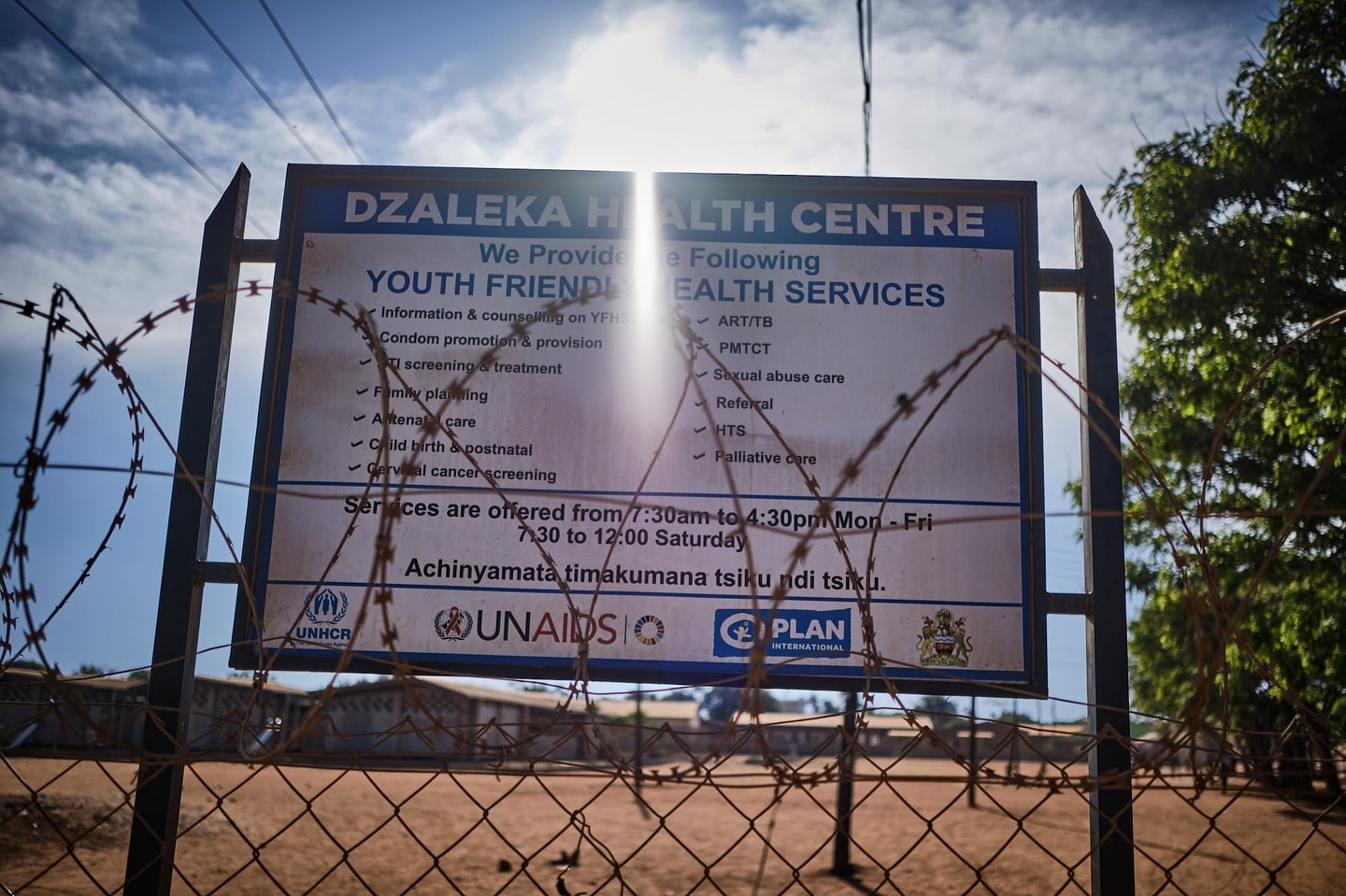
The Dzaleka component of the 2024 Malawi Demographic and Health Survey: how 720 selected households were sampled and what the resulting report can and cannot establish about the camp.
Infrastructure
Livelihoods and the local economy
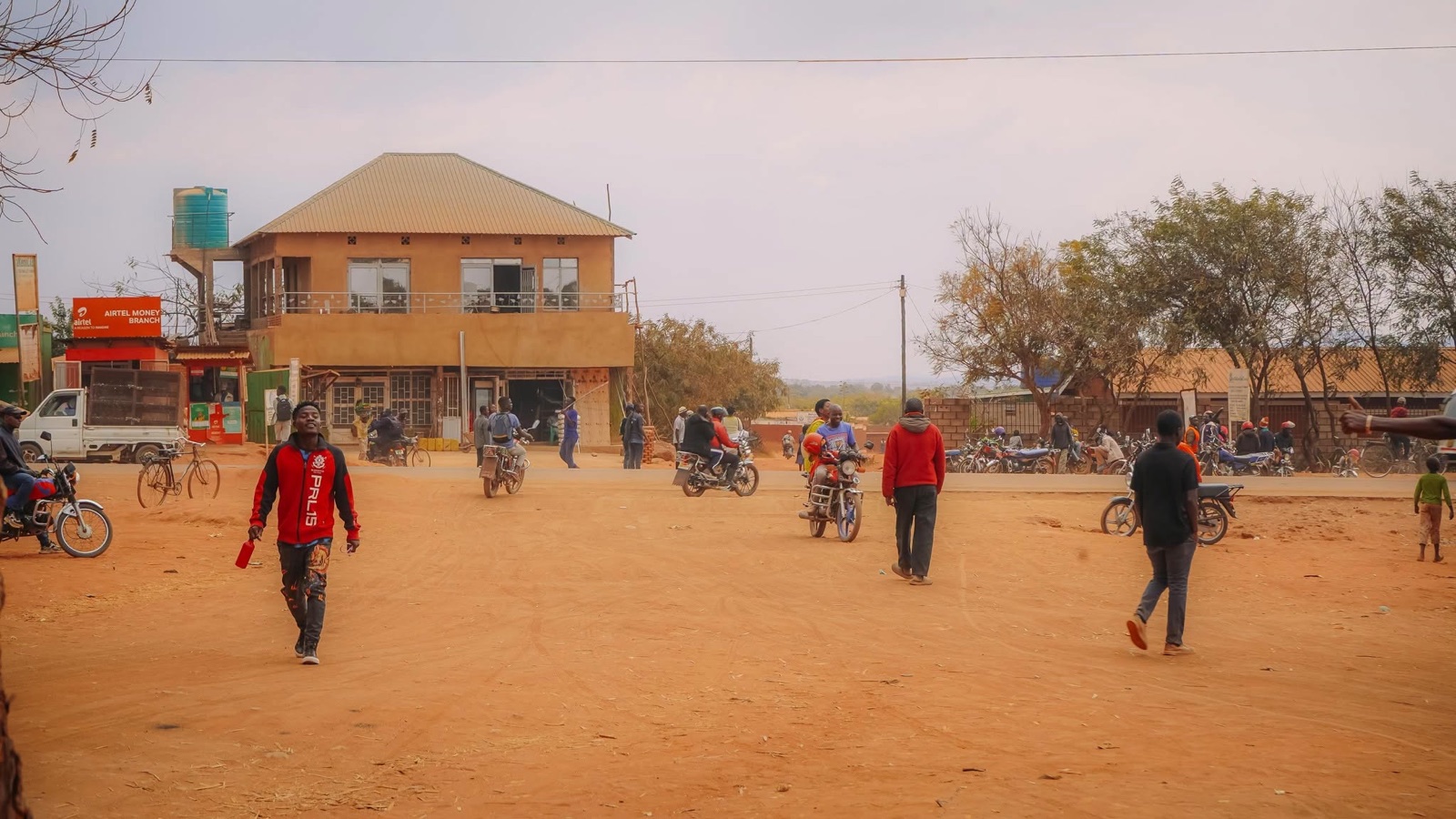
How residents earn income through trade, services, agriculture, creative work, training, and digital labour despite restrictions on movement and formal employment.
History
Refugee law and encampment policy in Malawi
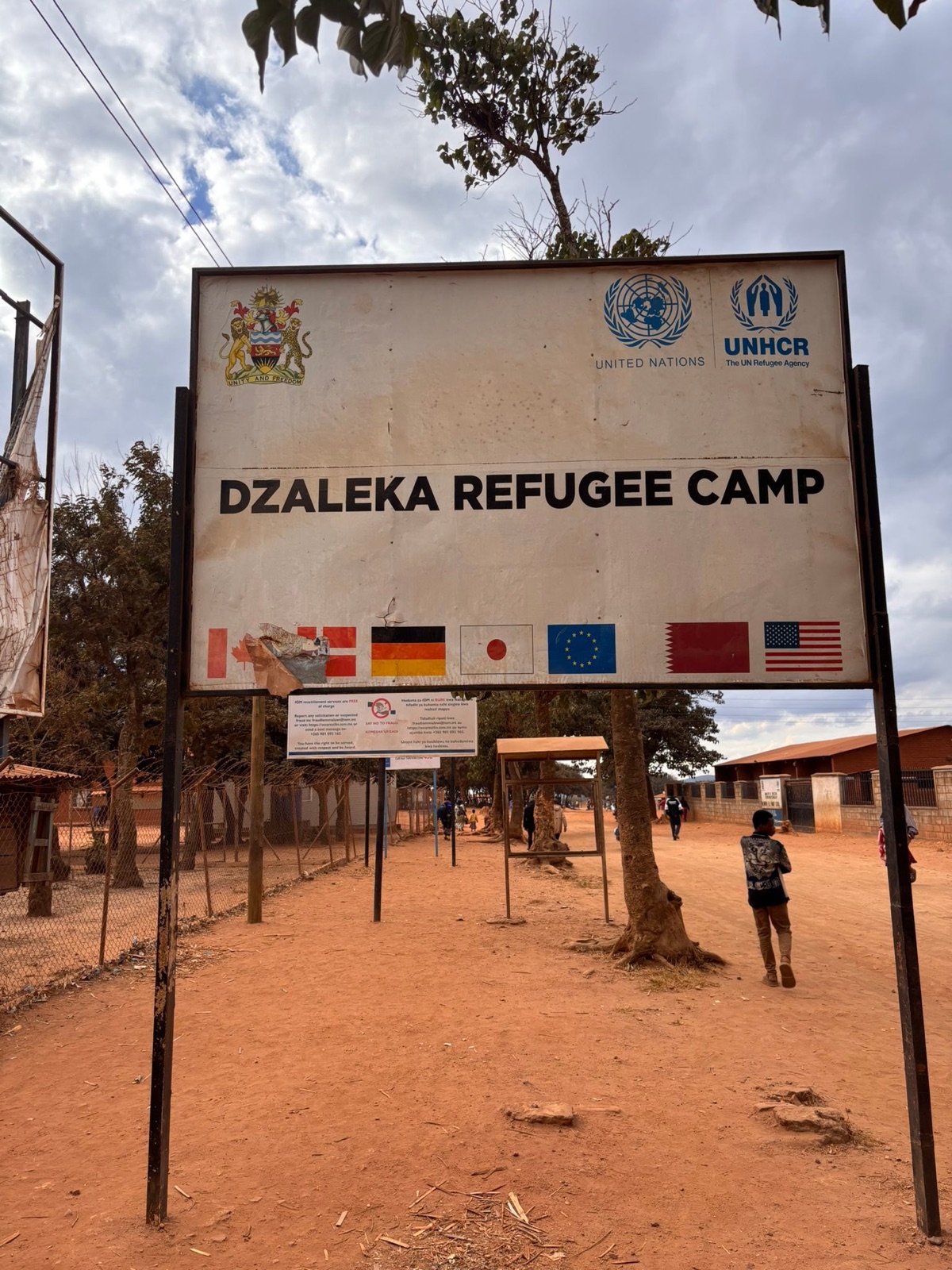
The legal and policy framework that shapes residence, movement, education, work, and administration for refugees and asylum-seekers living at Dzaleka.
Health
Dzaleka Health Centre
The primary health facility inside Dzaleka, serving refugees, asylum-seekers, and surrounding communities in Dowa District.
Help improve this entry
Send a correction, a stronger source, a missing detail, or a photograph. Submissions are reviewed against the encyclopedia's editorial guidance before the public record changes.