Infrastructure
Environmental and Socio-Economic Impact of Dzaleka (UNISA Dissertation)
A 2016 University of South Africa doctoral dissertation examining the environmental, forestry, groundwater, and socio-economic effects of Dzaleka Refugee Camp on surrounding host villages in Dowa District.
2 min read
Reviewed
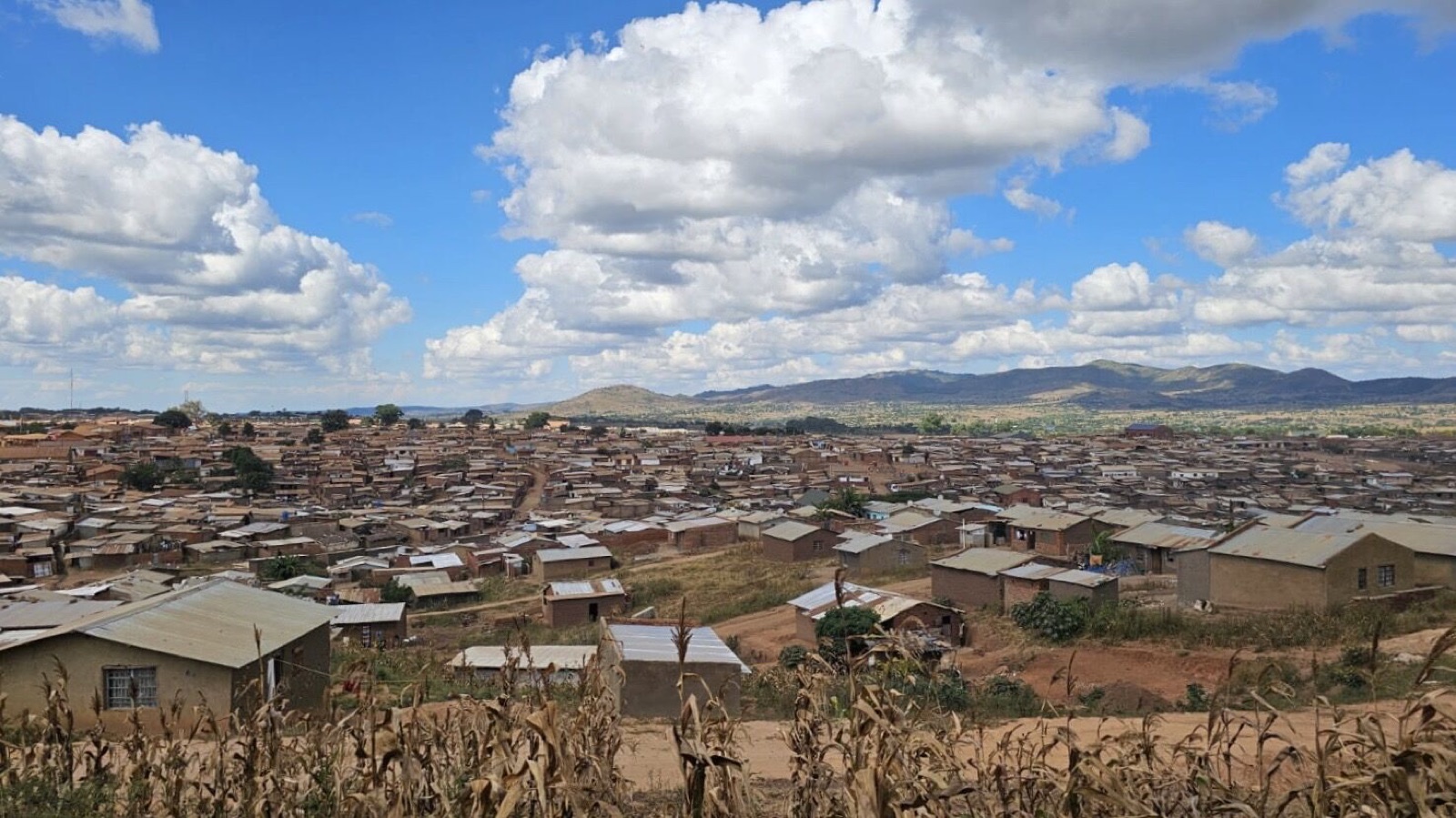
Key facts about Environmental and Socio-Economic Impact of Dzaleka (UNISA Dissertation)
- Institution
- University of South Africa (UNISA)
- Year
- 2016
- Degree
- Doctor of Philosophy (PhD)
- Focus
- Environmental degradation, firewood harvesting, water tables, host relations
- Study Area
- Dzaleka Camp and surrounding villages (Dowa District, Malawi)
On this page
Environmental and Socio-Economic Impact of Hosting Refugees: A Case Study of Villages around the Dzaleka Refugee Camp in Dowa District, Malawi is a landmark 2016 doctoral dissertation completed at the University of South Africa (UNISA). The research represents one of the most comprehensive long-term ecological and socio-economic evaluations of Dzaleka’s footprint on the surrounding host communities in Central Malawi.
As Dzaleka’s population expanded beyond its original capacity of 10,000 to over 50,000 residents, the dissertation systematically measured environmental stress on local forests, arable land, and groundwater aquifers, while assessing economic interactions between refugees and Malawian villagers.
Key Research Areas & Findings
1. Biomass Fuel and Forest Harvesting
The study documents severe deforestation trends in areas surrounding Dzaleka caused by heavy reliance on firewood and charcoal for cooking. Key findings include:
- Accelerated clearance of indigenous tree species across communal woodlands in Dowa District.
- Escalating fuel prices and increasing distances walked by women and children to gather wood.
- Introduction of energy-efficient cookstove initiatives (chiteketeke) by humanitarian agencies to curb biomass consumption.
2. Groundwater & Resource Competition
The dissertation evaluated borehole water tables and soil quality around Dzaleka, highlighting:
- Seasonal water stress during dry months as demand from the camp competed with local farming needs.
- Soil erosion and siltation in nearby streams resulting from intensive land usage and brick-making.
3. Socio-Economic Synergies with Host Villages
Contrary to purely negative environmental narratives, the research also documented positive economic integration between Dzaleka residents and neighboring Malawian farmers:
- Agricultural Markets: Local farmers regularly sell maize, beans, vegetables, and livestock at Dzaleka’s central market.
- Labor Exchange: Malawian villagers find seasonal agricultural or construction work within camp enterprises.
- Shared Social Infrastructure: Local villagers access healthcare services provided at the Dzaleka Health Centre.
Legacy and Policy Influence
The UNISA dissertation established essential empirical baselines used by environmental NGOs, UNHCR, and the Malawian Ministry of Natural Resources to design reforestation programs, solar cooking interventions, and joint host-refugee community committees in Dowa District.
References
Sources
- 1Environmental and Socio-Economic Impact of Hosting Refugees: A Case Study of Villages around the Dzaleka Refugee Camp in Dowa District, Malawi
University of South Africa Institutional Repository, 2016
Doctoral dissertation evaluating ecological and host-community dynamics.
- 2Malawi National Adaptation Programmes of Action (NAPA)
Government of Malawi, 2015
Related entries
Infrastructure
Energy and cooking
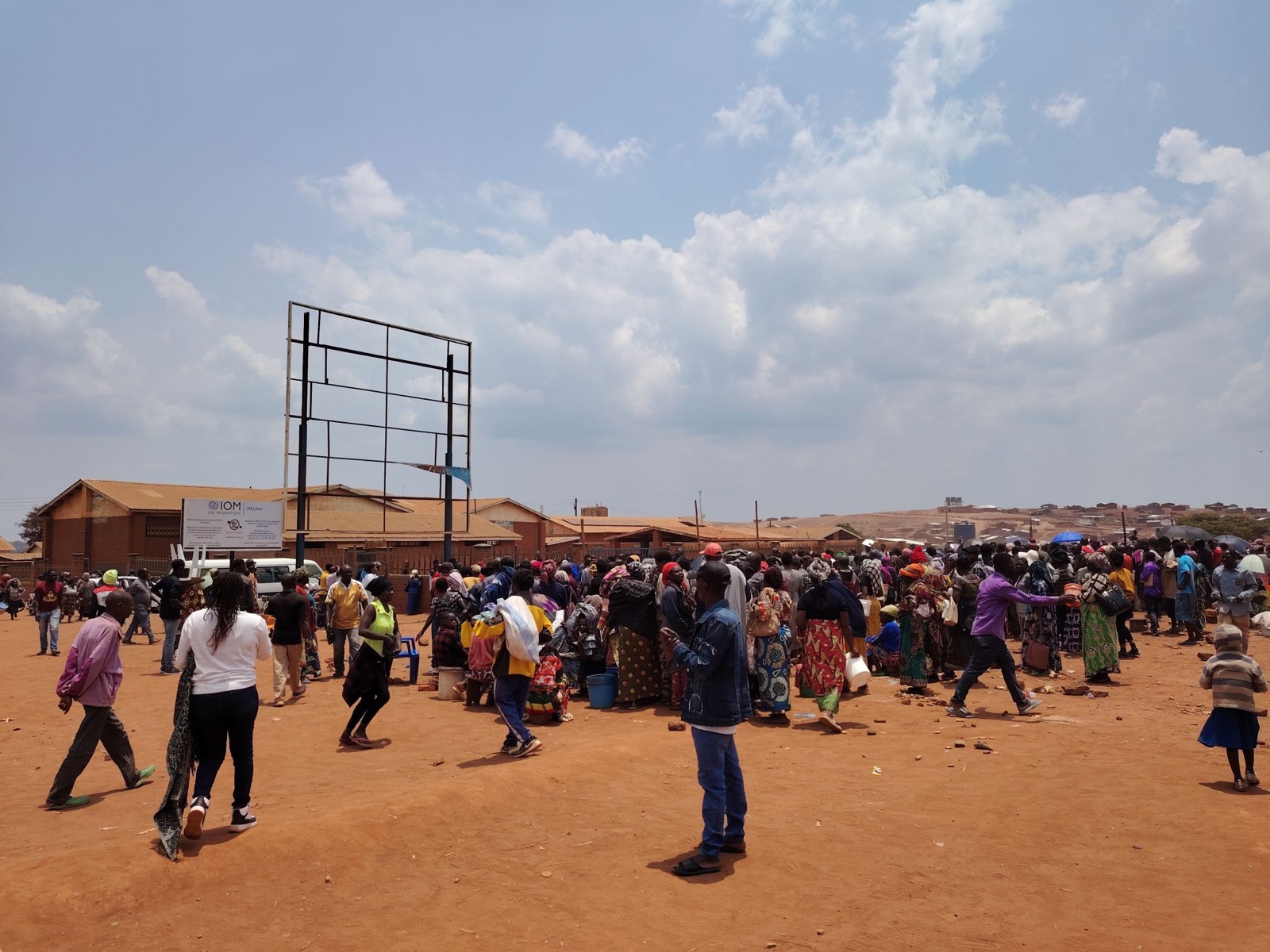
A reference entry on household energy in Dzaleka: reliance on firewood and charcoal, the burdens of biomass cooking, and the 2022–2024 solar electric cooking pilot run by MECS and the World Food Programme.
History
Host community and Dowa District
A reference entry on Dzaleka's location in Dowa District, its relationship with the surrounding Malawian host community, and the programmes that include host residents alongside refugees.
Infrastructure
Water and sanitation
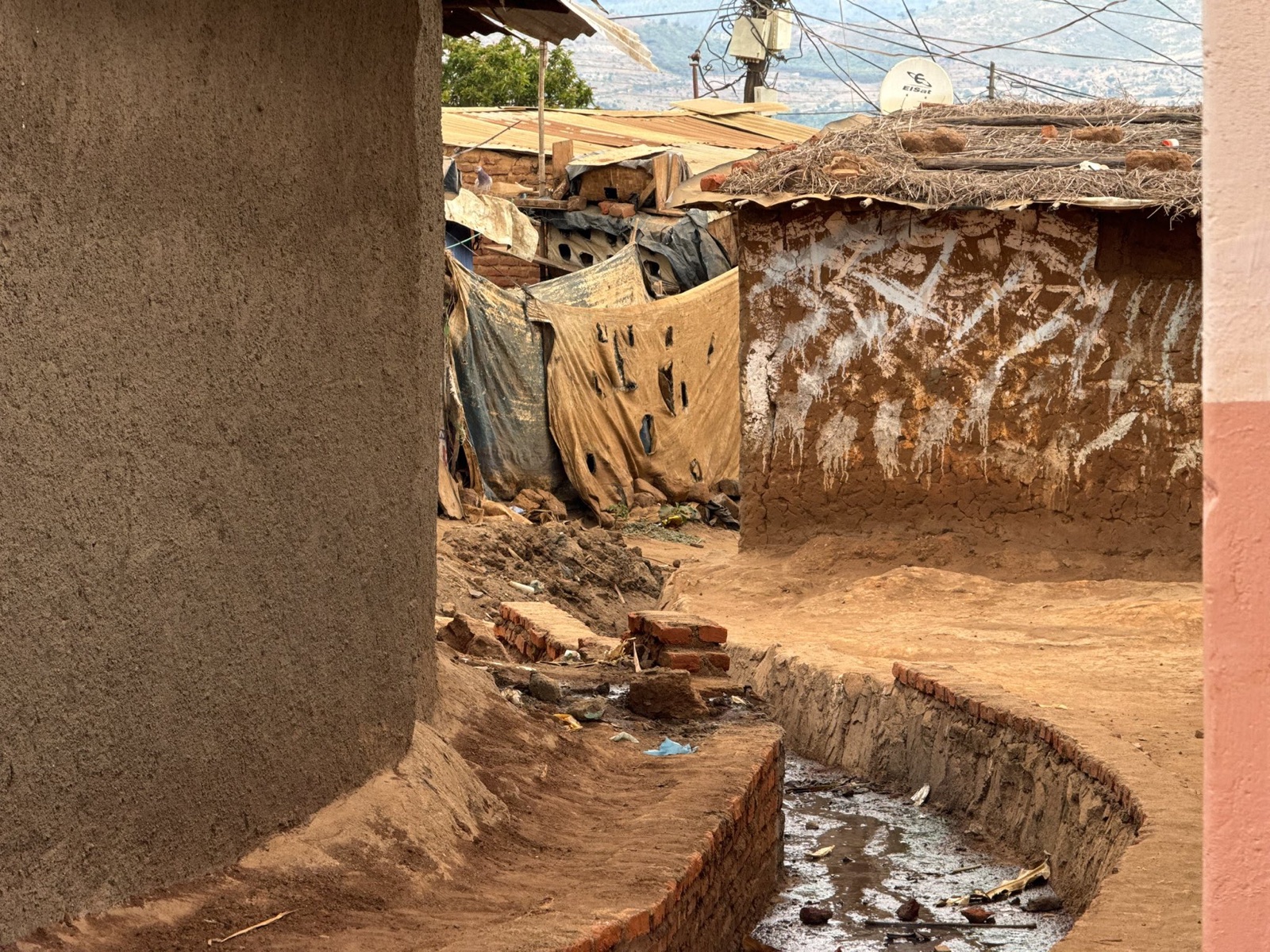
A reference entry on water supply, latrines, handwashing, and waste management in Dzaleka, based on UNHCR's August 2024 reporting.
Place
Dzaleka Refugee Camp
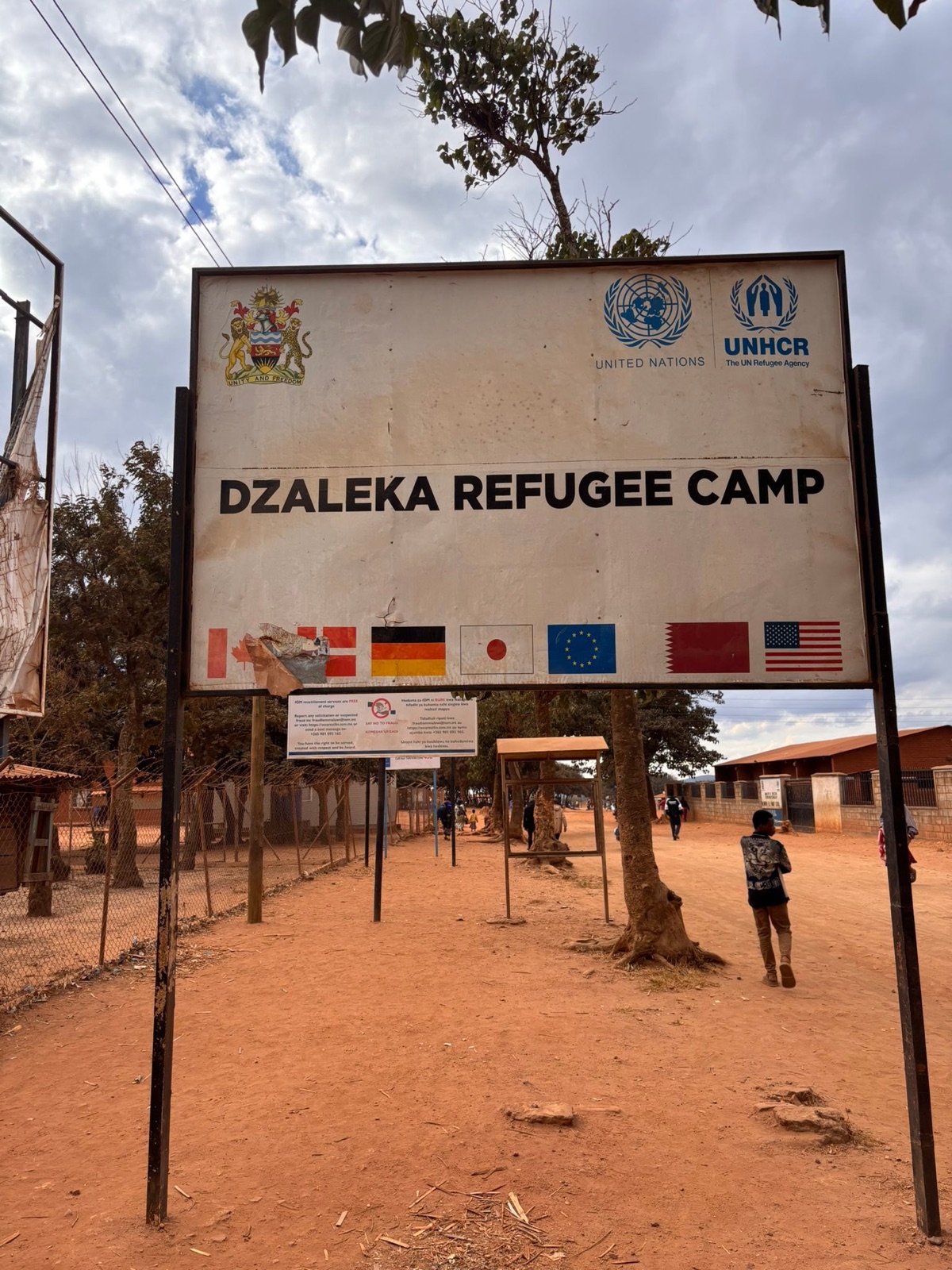
A long-established refugee settlement in Dowa District, Malawi, opened in 1994 and now home to a large, multilingual community from the Great Lakes region and the Horn of Africa.
Help improve this entry
Send a correction, a stronger source, a missing detail, or a photograph. Submissions are reviewed against the encyclopedia's editorial guidance before the public record changes.