Health
Fertility and family planning in the 2024 MDHS
Also known as Dzaleka fertility 2024, Dzaleka contraception MDHS
Survey estimates for fertility, age at first birth, teenage pregnancy, contraceptive use and unmet family-planning need among women in Dzaleka.
2 min read
Reviewed
Academic research
Key facts about Fertility and family planning in the 2024 MDHS
- Total fertility rate
- 4.9 children per woman in Dzaleka; 3.7 elsewhere in Malawi
- Median age at first birth
- 20.5 years in Dzaleka; 19.1 elsewhere in Malawi
- Teenagers ever pregnant
- 17% of women aged 15-19 in Dzaleka; 32% elsewhere
- Contraceptive use
- 37% of currently married women in Dzaleka
- Unmet family-planning need
- 20% in Dzaleka; 11% elsewhere in Malawi
On this page
Fertility estimates
For the three years preceding the survey, Dzaleka’s estimated total fertility rate was 4.9 children per woman, compared with 3.7 in the rest of Malawi. The report also records a higher general fertility rate and crude birth rate in the camp sample.
That overall result sits alongside later childbearing on two other measures. Median age at first birth among women aged 20 to 49 was 20.5 years in Dzaleka and 19.1 elsewhere. Among women aged 15 to 19, 17 percent in Dzaleka had ever been pregnant, compared with 32 percent in the national comparison.
These indicators describe different dimensions of fertility and are not contradictory: a population can have later first births or fewer teenage pregnancies while still having more births across a woman’s reproductive years.
Wanted and observed fertility
Women aged 15 to 49 in Dzaleka reported wanted fertility of 4.4 children, compared with an observed total fertility rate of 4.9. In the national comparison the figures were 3.1 and 3.7. The report therefore estimated that observed fertility exceeded wanted fertility in both populations.
Contraceptive use
Among currently married women aged 15 to 49 in Dzaleka, 37 percent were using any contraceptive method: 33 percent used a modern method and 4 percent a traditional method. The comparable any-method figure elsewhere in Malawi was 68 percent. Injectables and implants were the most frequently reported methods in both groups.
The report estimates unmet need for family planning at 20 percent among currently married women in Dzaleka, compared with 11 percent elsewhere. Total demand was 57 percent in Dzaleka and 79 percent in the national comparison.
Reading the figures carefully
The contraceptive-use and unmet-need estimates apply to currently married women, not every woman or household in the camp. The table reports 377 women in the Dzaleka denominator. The survey identifies a service and reproductive-health gap, but it does not establish a single cause. Access, preferences, provider availability, information, cost and other factors require additional research.
References
Sources
- 1Understanding the health, nutrition and population situation in Dzaleka Refugee Camp
National Statistical Office, UNHCR and World Bank-UNHCR Joint Data Center, May 2026
Chapter 3, fertility and contraception.
- 2Malawi - Demographic and Health Survey 2024
World Bank Microdata Library, 20 March 2026
Women's questionnaire, survey population and weighting metadata.
- 3The 2024 Malawi Demographic and Health Survey
National Statistical Office of Malawi, 2026
Related entries
Health
2024 health, nutrition and population study
The Dzaleka component of the 2024 Malawi Demographic and Health Survey: how 720 selected households were sampled and what the resulting report can and cannot establish about the camp.
Health
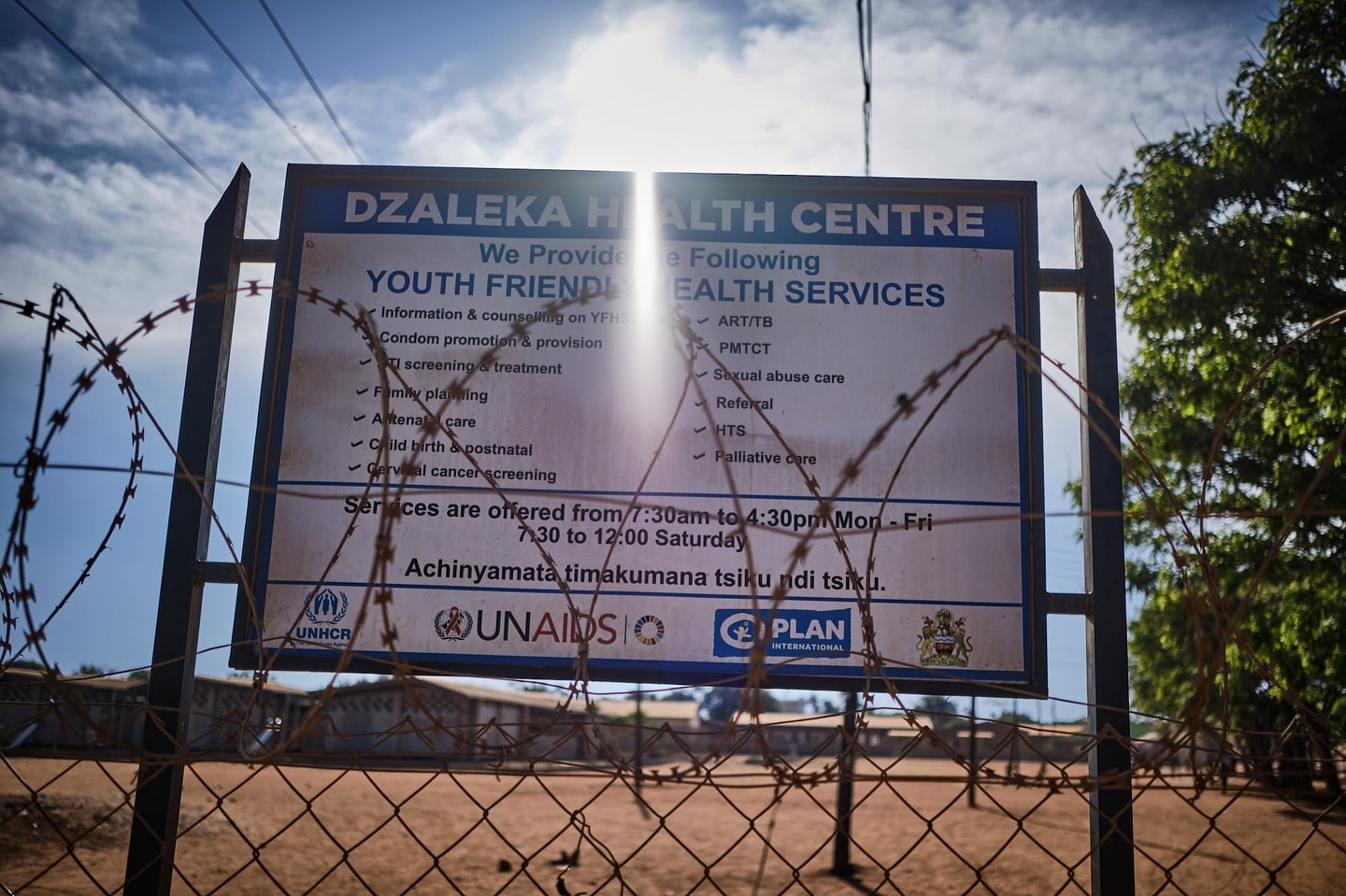
Dzaleka Health Centre
The primary health facility inside Dzaleka, serving refugees, asylum-seekers, and surrounding communities in Dowa District.
Health
Maternal health and malaria in the 2024 MDHS
Survey findings on antenatal care, delivery, mosquito-net coverage, malaria prevention during pregnancy and malaria testing among young children in Dzaleka.
History
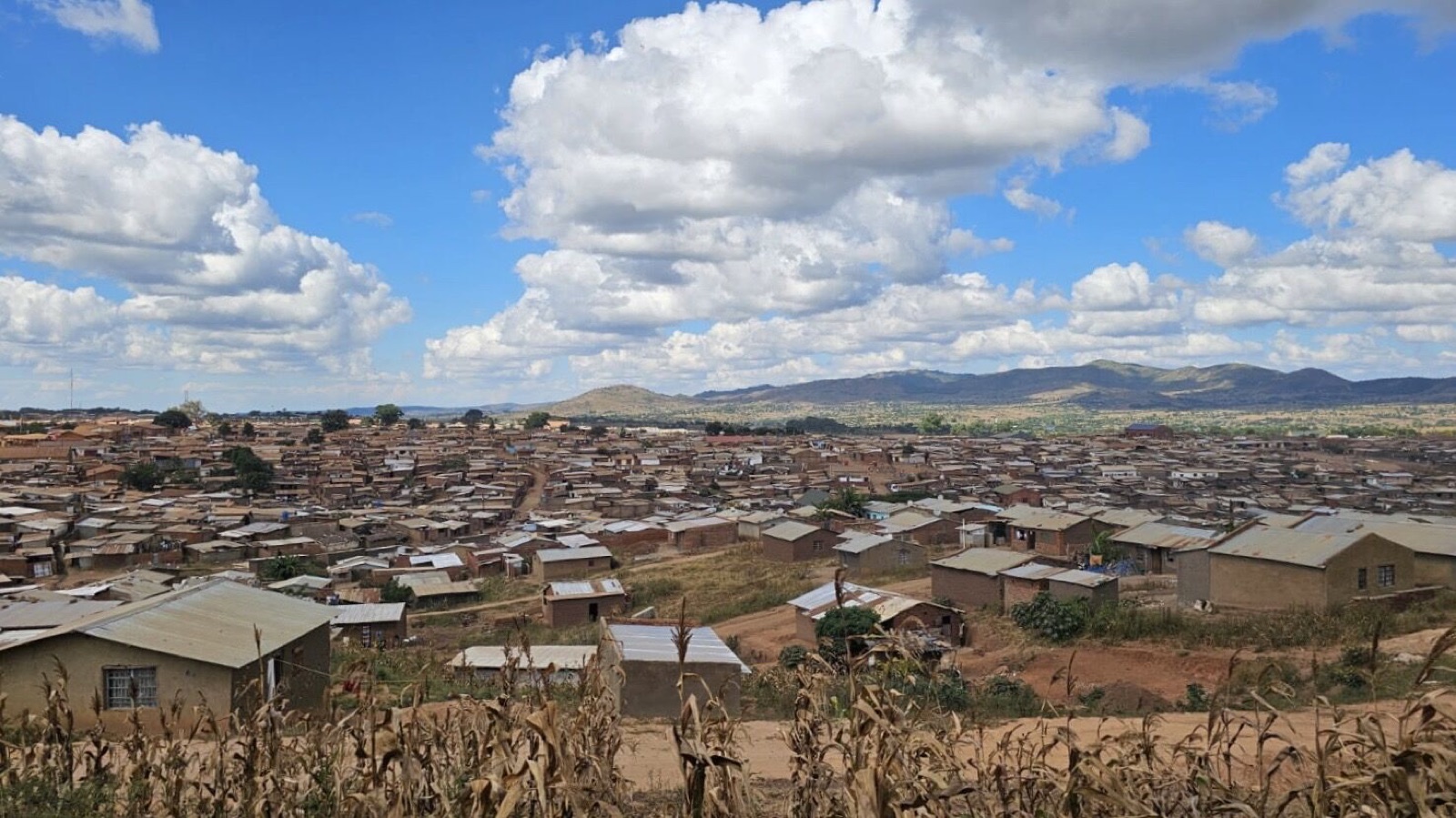
Population and demography
A dated guide to population figures for Dzaleka and Malawi's refugee population, including countries of origin and why totals vary between reports.
Help improve this entry
Send a correction, a stronger source, a missing detail, or a photograph. Submissions are reviewed against the encyclopedia's editorial guidance before the public record changes.