Infrastructure
Household conditions in the 2024 MDHS
Also known as Dzaleka household characteristics 2024, Dzaleka water quality MDHS
Dzaleka survey findings on electricity, flooring, water, sanitation, household composition, birth registration, literacy, internet use and health insurance in 2024.
3 min read
Reviewed
Academic research
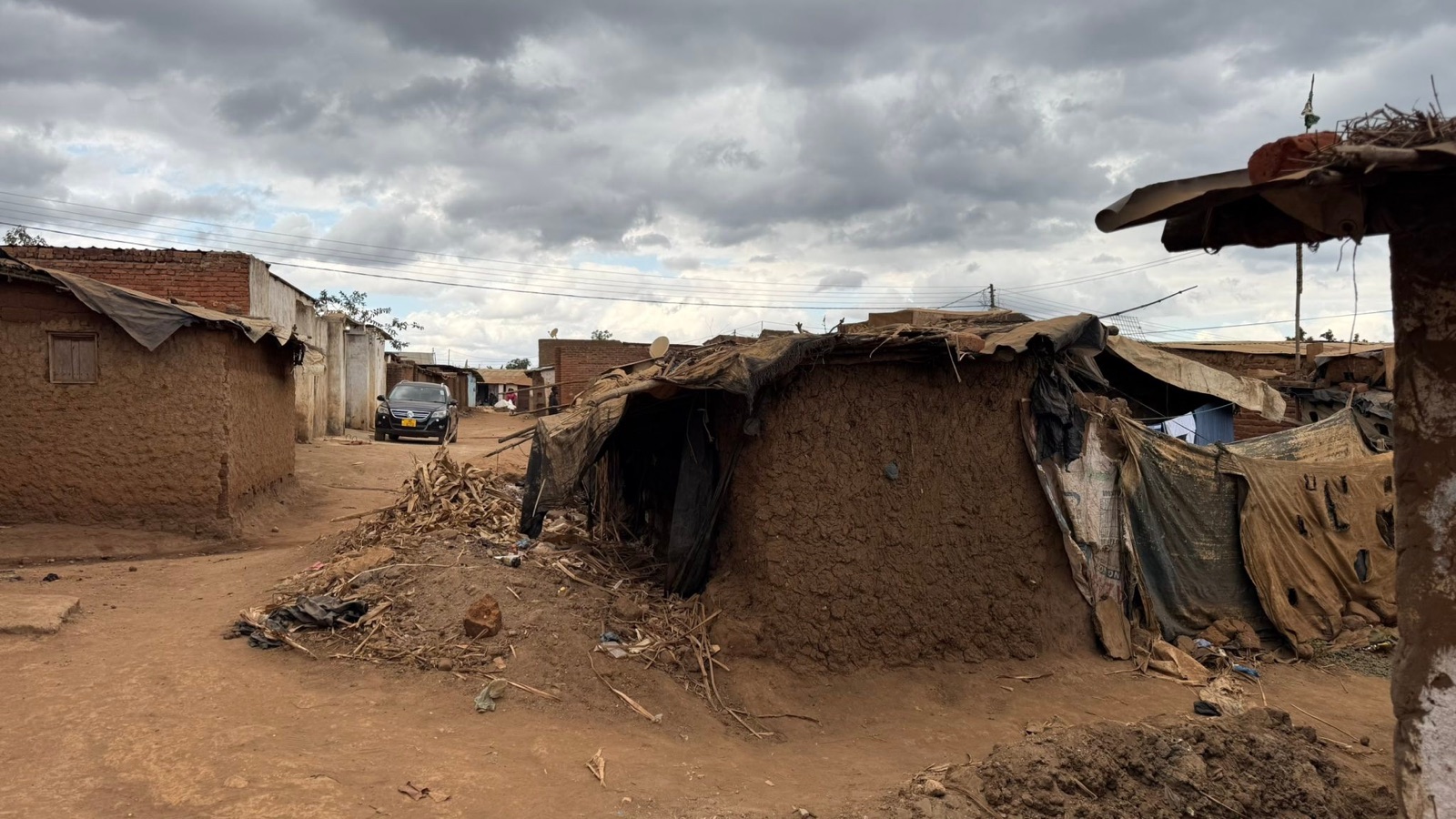
Key facts about Household conditions in the 2024 MDHS
- Electricity
- 25% of Dzaleka households; 16% in the rest of Malawi
- Basic water service
- 30% of the Dzaleka household population
- Basic sanitation
- 76% of the Dzaleka household population
- Average household size
- 5.1 people in Dzaleka; 4.2 elsewhere in Malawi
- Birth registration under age 5
- 92% in Dzaleka; 78% elsewhere in Malawi
On this page
Housing materials and electricity
The survey estimated that 25 percent of Dzaleka households had electricity, compared with 16 percent in the rest of Malawi. Cement was the principal flooring material in about 70 percent of sampled Dzaleka households, while earth or sand accounted for 28 percent. The national comparison was almost the reverse: about 30 percent cement and 63 percent earth or sand.
These measures describe household characteristics, not the reliability, affordability or daily duration of electricity. Cement flooring also should not be treated as a complete measure of housing adequacy in a severely overcrowded settlement.
Water service and contamination
Only 30 percent of Dzaleka’s household population met the survey definition for at least basic drinking-water service; 70 percent received a limited service. The report says households elsewhere in Malawi were about 2.5 times as likely to have at least basic service.
Water-quality testing adds an important distinction. Two percent of Dzaleka’s population used source water with detected E. coli, compared with 35 percent in the national comparison. At the point of household consumption, however, contamination was detected for 78 percent in Dzaleka and 75 percent elsewhere in Malawi. The report interprets that gap as evidence that contamination can occur during transport, storage or use. A clean source therefore did not guarantee clean water at consumption.
Sanitation
The sanitation service ladder was stronger in the Dzaleka sample: 76 percent had at least basic service, 13 percent had limited service, 9 percent used unimproved sanitation, and about 3 percent had no facility or practised open defecation. The corresponding national comparison was 40, 29, 26 and 5 percent. Totals may differ slightly from 100 because of rounding.
Household composition and registration
Average household size was 5.1 people in Dzaleka and 4.2 elsewhere in Malawi. Women headed about 35 percent of Dzaleka households. The report estimated higher proportions of double orphans and single orphans among children under 18 in Dzaleka: approximately 6 and 15 percent, compared with 2 and 11 percent in the national comparison.
Birth registration among children under five was estimated at 92 percent in Dzaleka and 78 percent elsewhere in Malawi.
Literacy, internet and insurance
Among respondents aged 15 to 49, women’s literacy was similar in Dzaleka and the national comparison, at 75 and 77 percent. Figure 2.5 reports male literacy at 97 percent in Dzaleka and 83 percent elsewhere. The executive summary instead gives the second figure as 87 percent; users should consult the underlying microdata before relying on that comparator.
Internet use in the previous 12 months was higher in the Dzaleka sample: 27 percent of women and 48 percent of men, compared with 15 and 27 percent respectively elsewhere in Malawi. Fewer than 1 percent of women and no interviewed men in Dzaleka reported health-insurance coverage.
References
Sources
- 1Understanding the health, nutrition and population situation in Dzaleka Refugee Camp
National Statistical Office, UNHCR and World Bank-UNHCR Joint Data Center, May 2026
Chapter 2, household and household-population characteristics.
- 2Malawi - Demographic and Health Survey 2024
World Bank Microdata Library, 20 March 2026
Survey scope, sampling and household questionnaire metadata.
- 3The 2024 Malawi Demographic and Health Survey
National Statistical Office of Malawi, 2026
Related entries
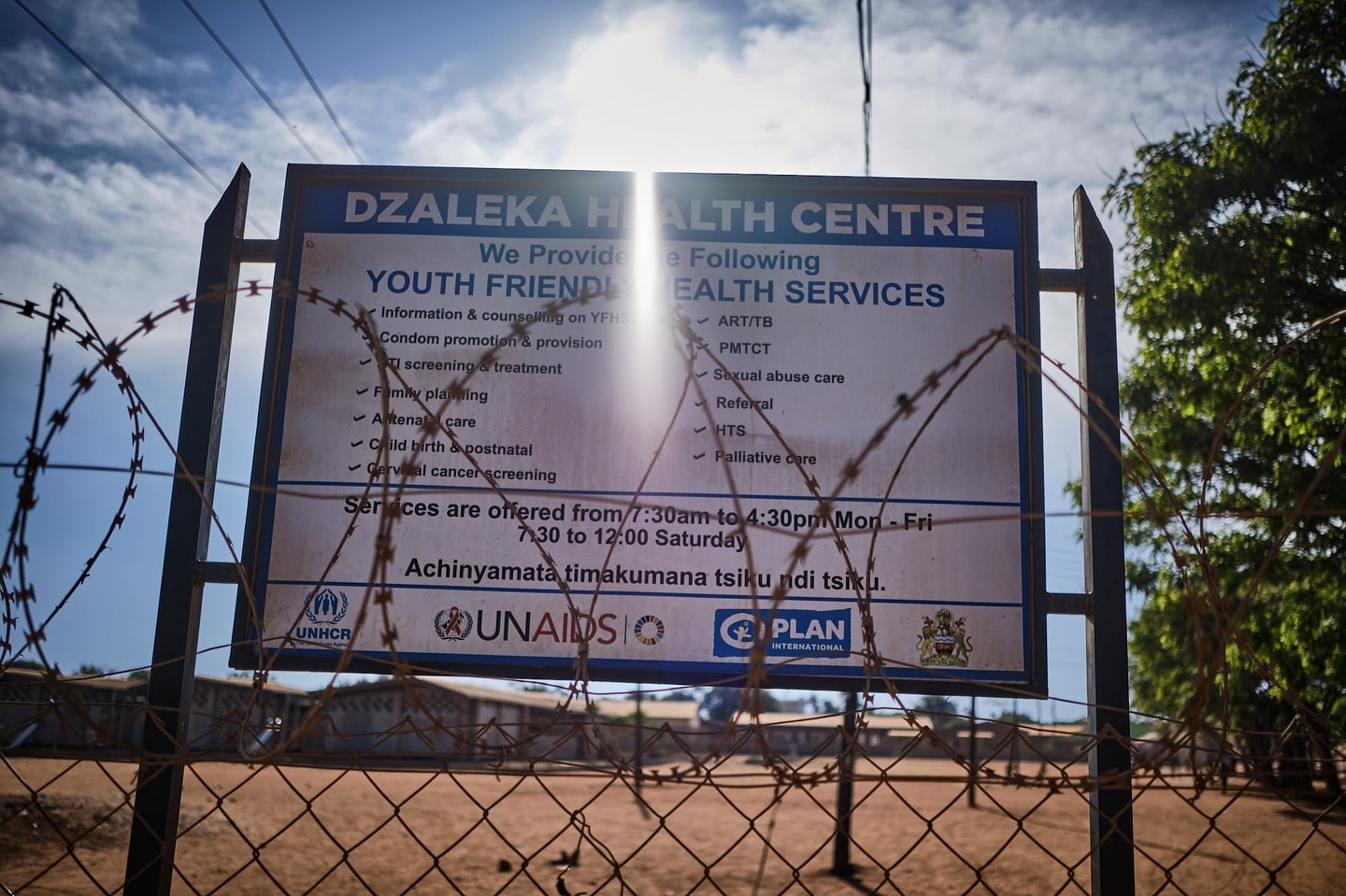
Health
2024 health, nutrition and population study
The Dzaleka component of the 2024 Malawi Demographic and Health Survey: how 720 selected households were sampled and what the resulting report can and cannot establish about the camp.
Infrastructure
Housing and overcrowding
Housing conditions in a settlement holding more than four times its planned population, where limited land affects shelter, drainage, sanitation, roads, and public space.
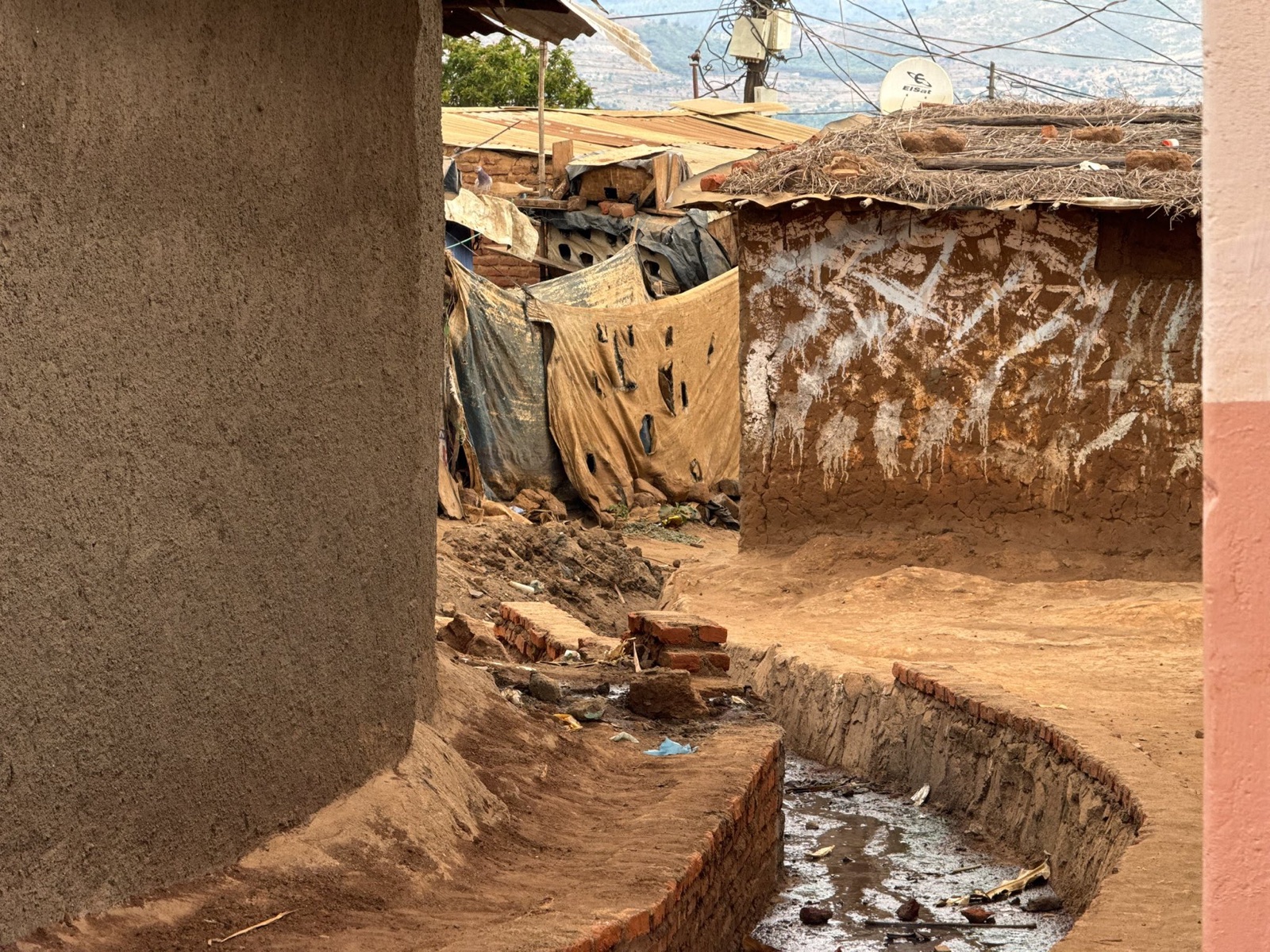
Infrastructure
Water and sanitation
A reference entry on water supply, latrines, handwashing, and waste management in Dzaleka, based on UNHCR's August 2024 reporting.
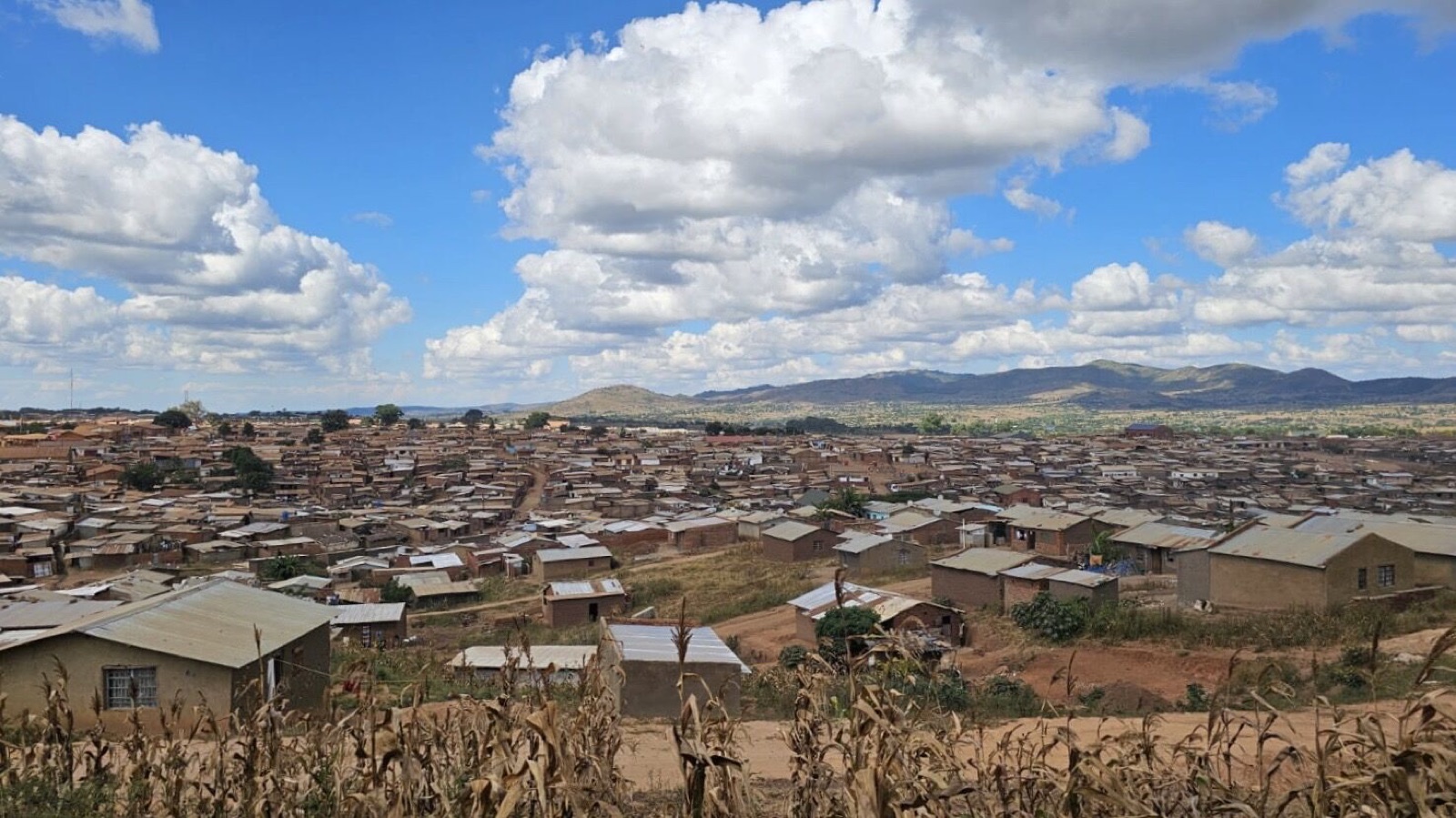
History
Population and demography
A dated guide to population figures for Dzaleka and Malawi's refugee population, including countries of origin and why totals vary between reports.
Education
Education in Dzaleka
Public, private, community, and post-secondary education in Dzaleka, including the Malawi curriculum and long-running scholarship and digital-learning programmes.
Help improve this entry
Send a correction, a stronger source, a missing detail, or a photograph. Submissions are reviewed against the encyclopedia's editorial guidance before the public record changes.