Place
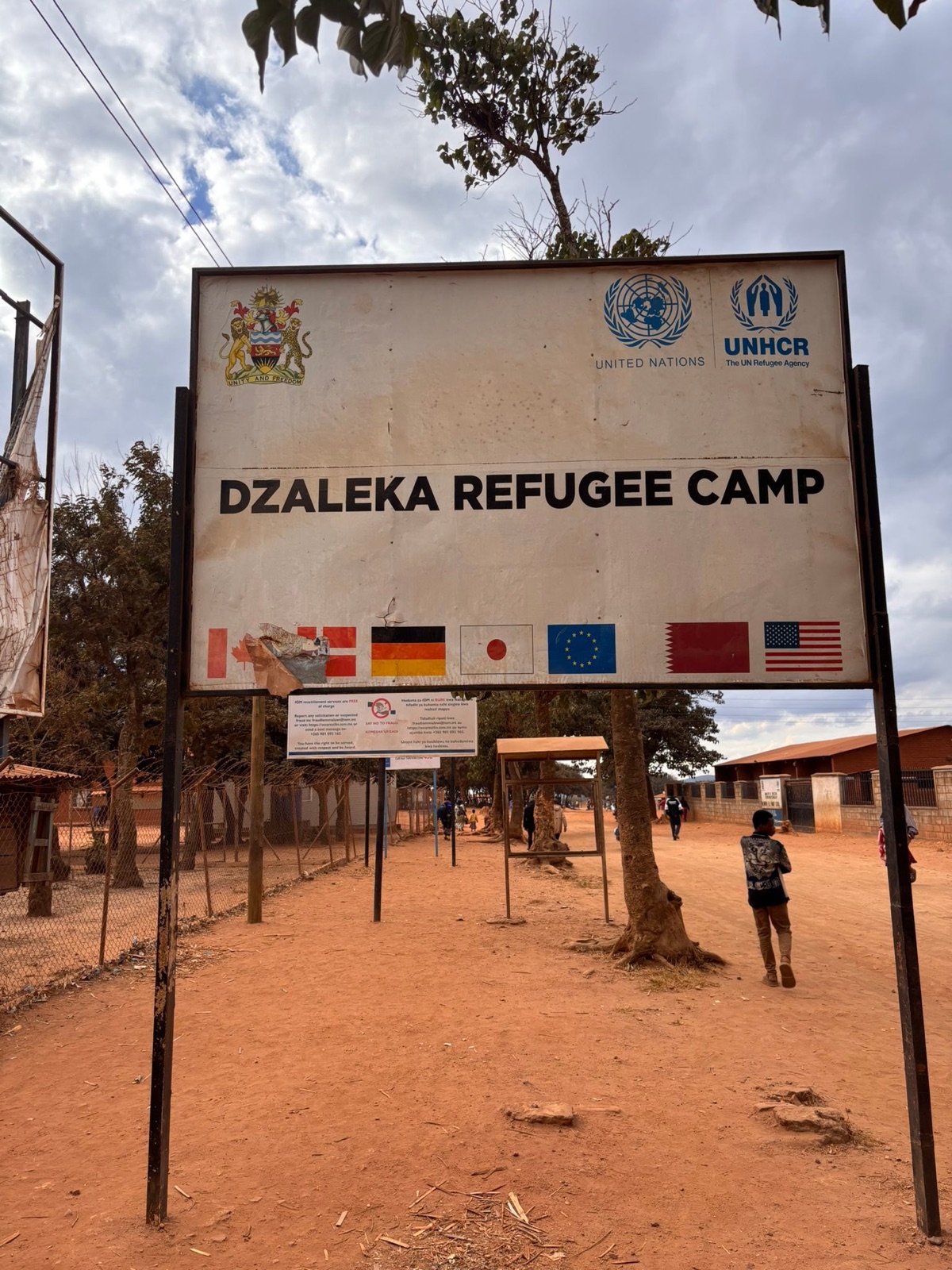
Dzaleka Refugee Camp
Also known as Dzaleka Camp, Dzaleka Refugee Settlement
A long-established refugee settlement in Dowa District, Malawi, opened in 1994 and now home to a large, multilingual community from the Great Lakes region and the Horn of Africa.
2 min read
Reviewed
Key facts about Dzaleka Refugee Camp
- Established
- 1994
- Location
- Dowa District, Central Region, Malawi
- Original capacity
- 10,000-12,000 people
- Population
- More than 52,000 at the end of December 2024
- Distance from Lilongwe
- Approximately 41 km
- Coordinates
- 13.6628° S, 33.8704° E
On this page
Identity and location
Dzaleka Refugee Camp is in Dowa District in Malawi’s Central Region, approximately 41 kilometres from Lilongwe. The Government of Malawi and UNHCR opened the camp in 1994 for people displaced by conflicts in the Great Lakes region. It was planned for between 10,000 and 12,000 residents.
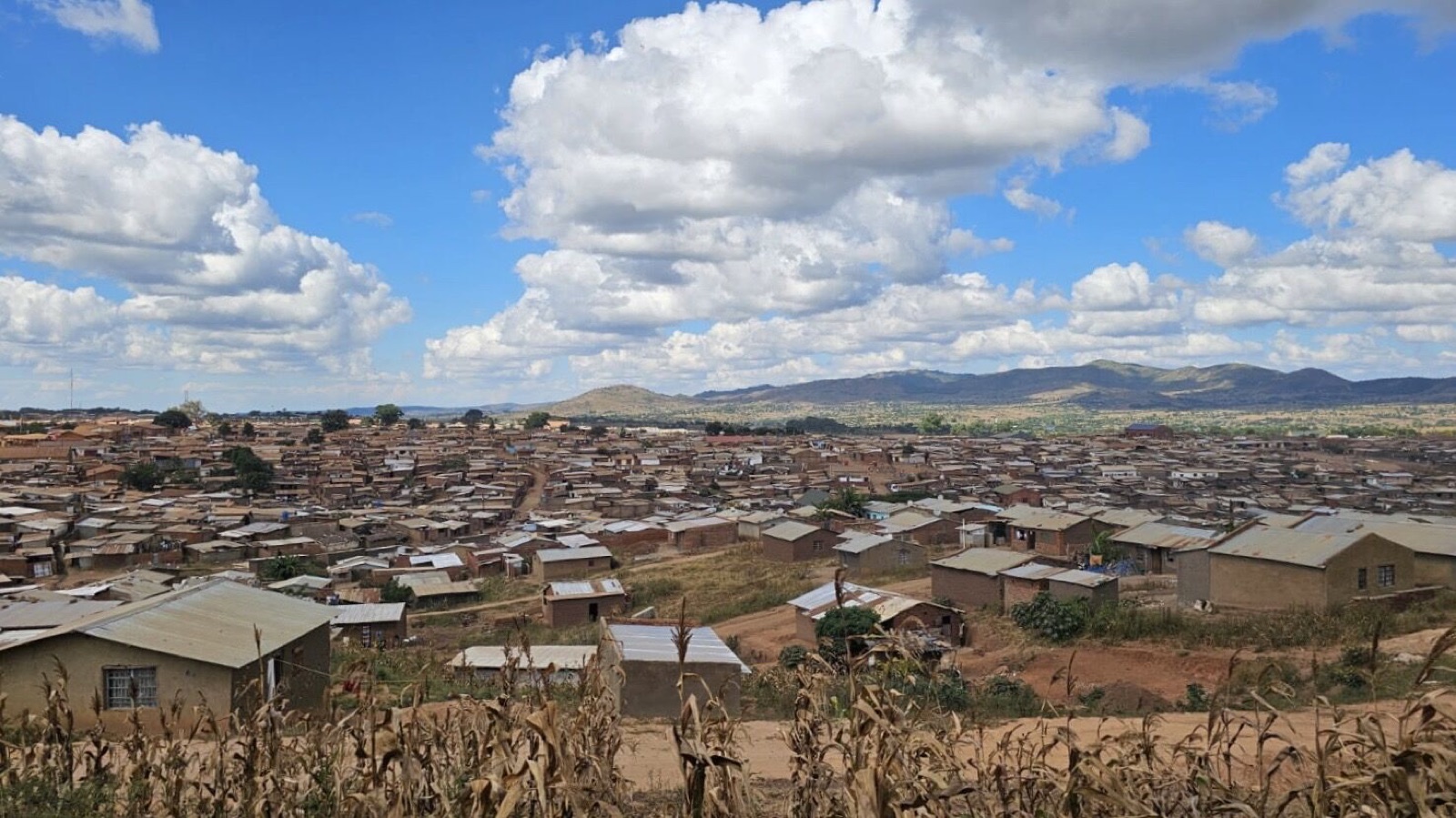
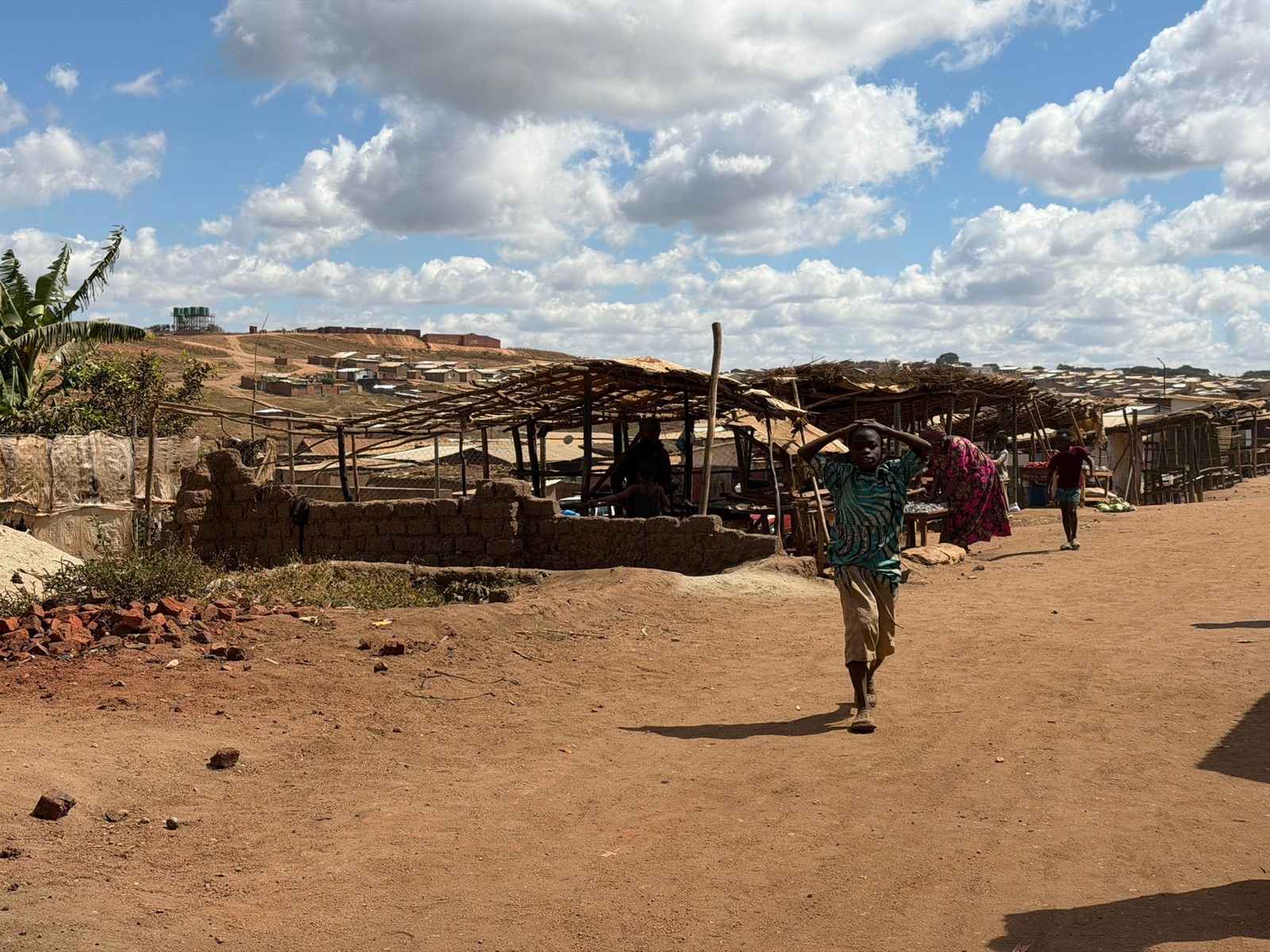
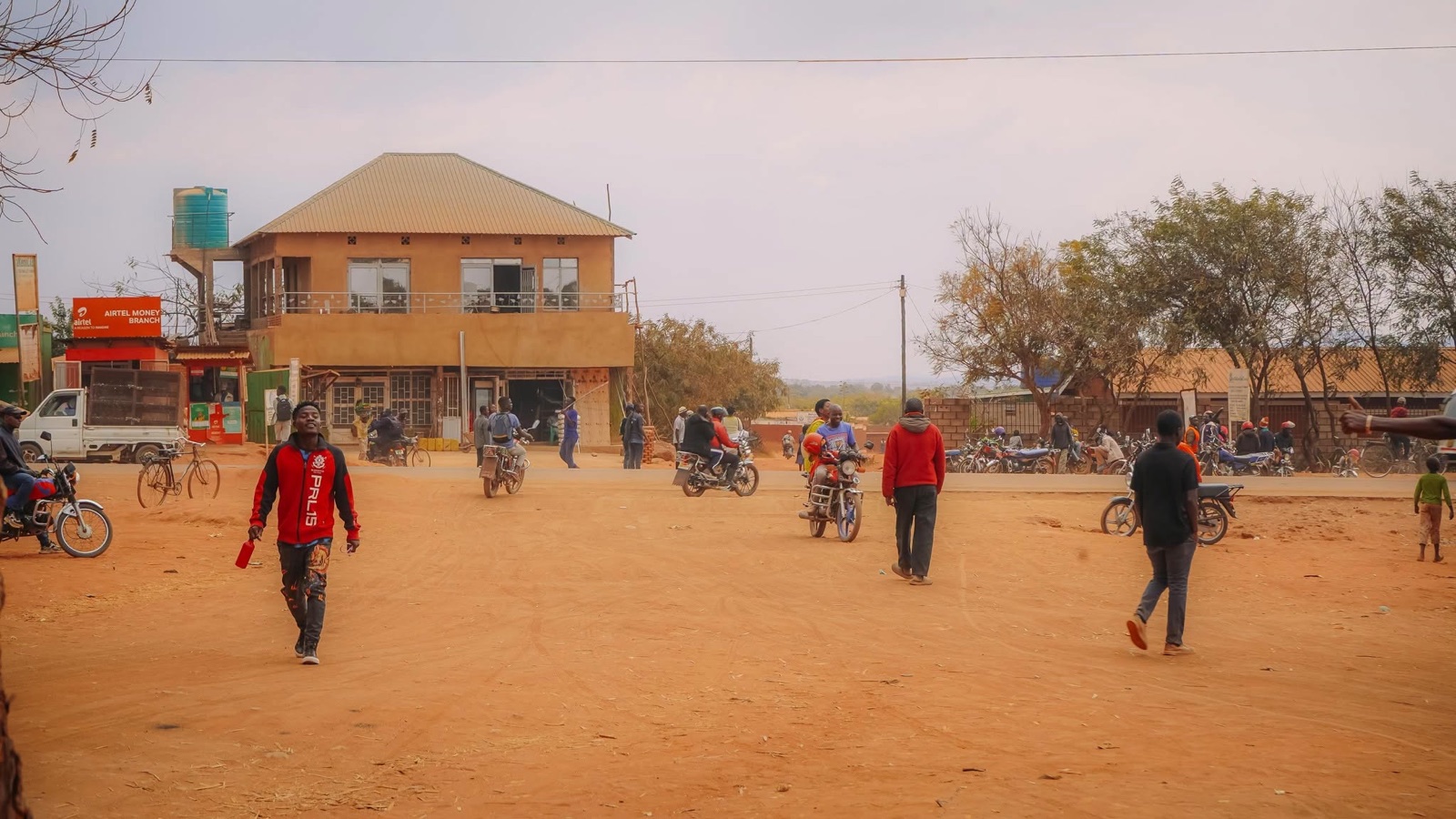
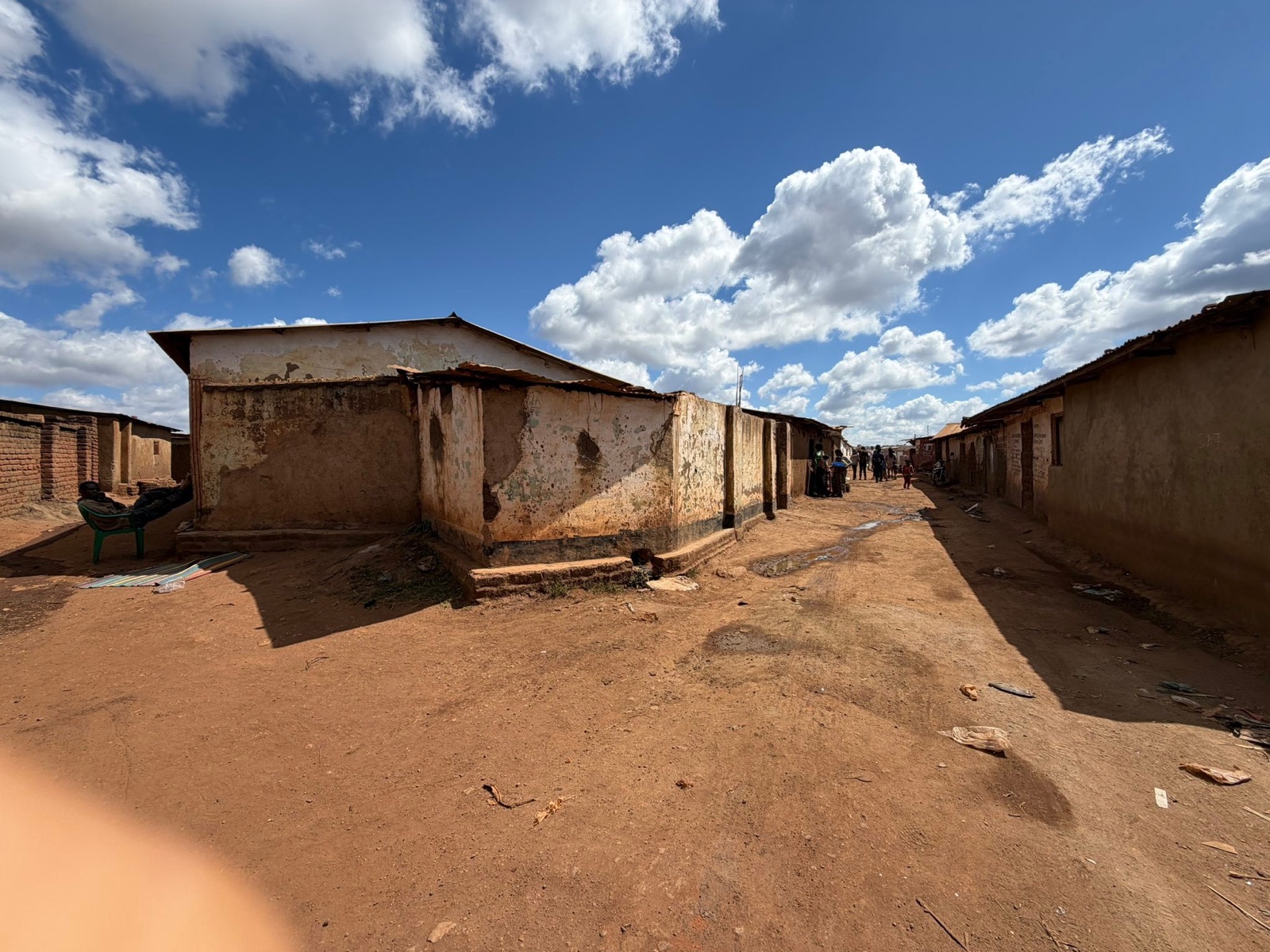
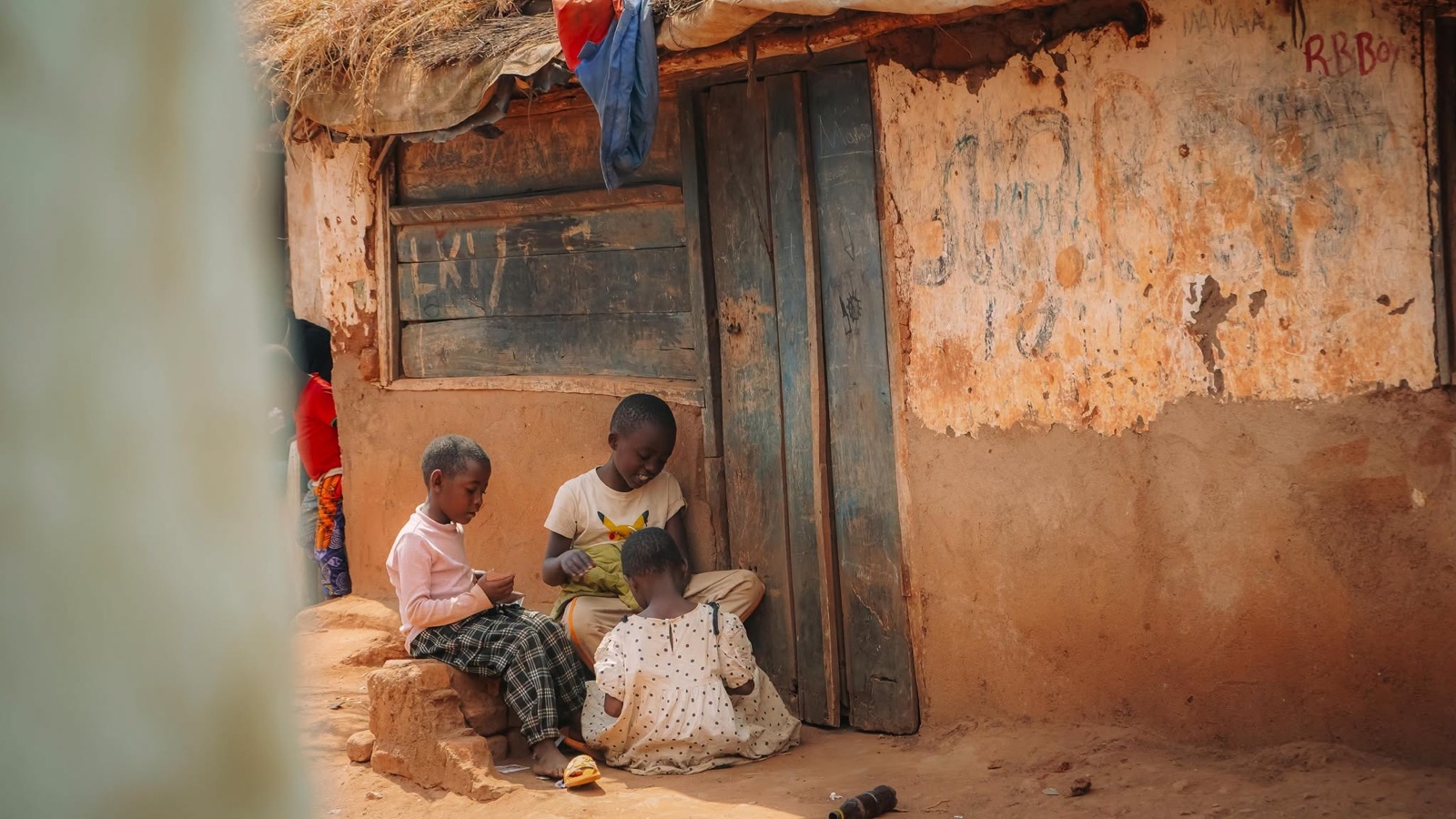
Although it is officially called a camp, Dzaleka has become a long-term settlement with homes, schools, markets, places of worship, media, cultural venues, sports groups, workshops, community organisations, and humanitarian facilities. Many residents have lived there for years; some children and young adults were born there.
Population and communities
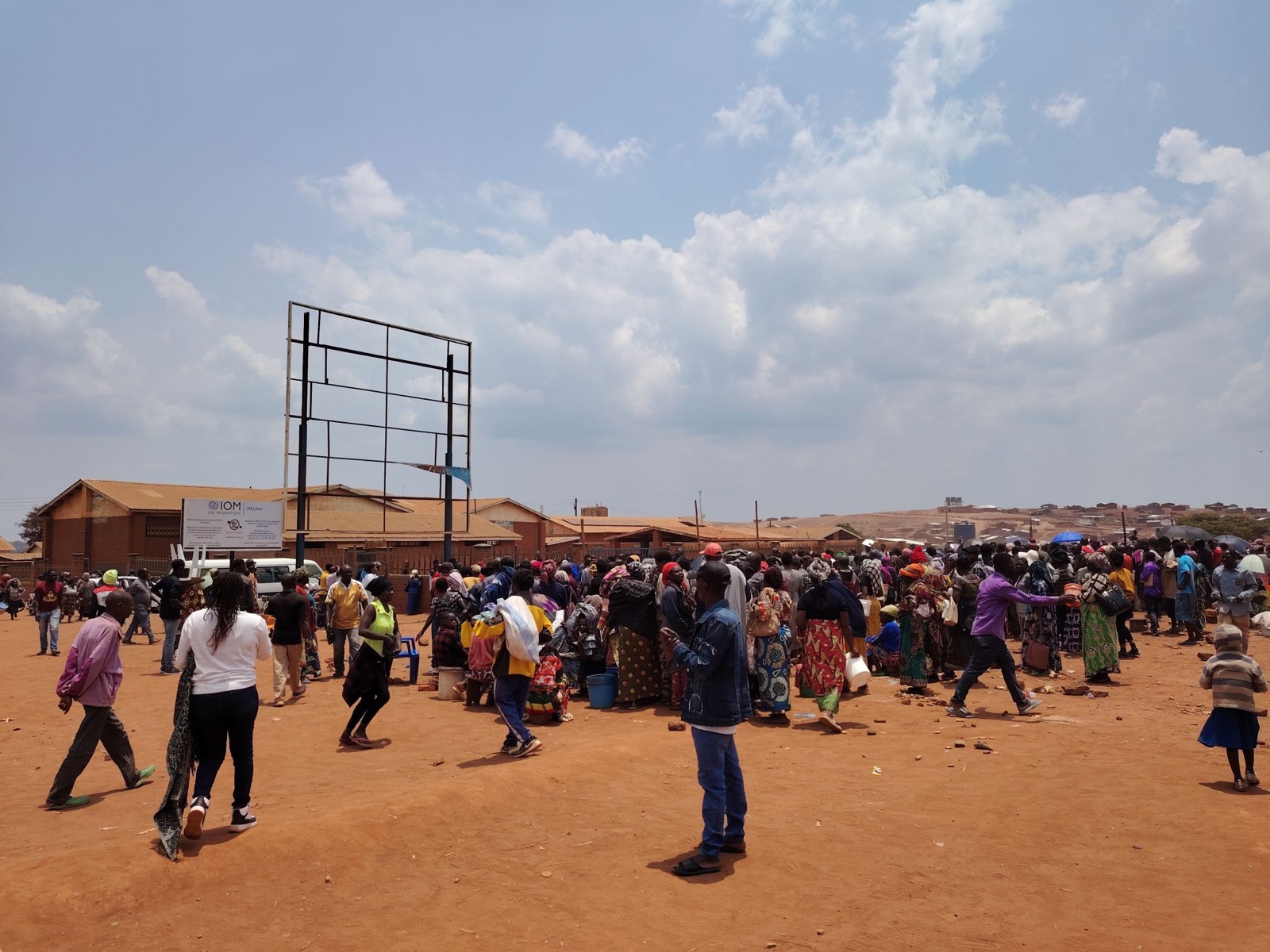
UNHCR reported more than 52,000 residents at the end of December 2024. The largest national groups were from the Democratic Republic of the Congo, Burundi, and Rwanda, followed by smaller populations from Somalia, Ethiopia, and other countries. UNHCR stated that women and children made up 93 per cent of the camp population at that reporting date.
Population totals change as people arrive, depart, are resettled, repatriate, or have their registration records updated. This encyclopedia therefore presents every population figure with its source date.
Administration and services
The Government of Malawi is responsible for refugee administration. UNHCR coordinates protection and assistance with government departments, UN agencies, humanitarian partners, and refugee-led and community organisations. Service providers and programme coverage change over time.
The camp’s original capacity has been exceeded several times over. This affects housing, classroom space, health care, water, sanitation, waste collection, and public space. A 2024 UNHCR fact sheet described Dzaleka as highly congested, with poor living conditions and infrastructure despite ongoing service improvements.
Economy and public life
Dzaleka has an active informal economy that includes shops, food businesses, tailoring, transport, mobile-money agents, repair services, private schools, creative enterprises, and online work. Legal and practical restrictions on movement and formal employment limit many livelihood options, while aid funding and food assistance remain important to household survival.
Public life also extends beyond humanitarian services. Yetu Community Radio broadcasts in five languages, Tumaini Festival has connected refugee and host communities through arts and culture, and local organisations have developed programmes in education, technology, health, advocacy, and enterprise.
Using this entry
This page is the main entity record for Dzaleka Refugee Camp. Detailed articles below document individual topics and organisations. For current contacts and opening hours, use the service directory; for historical and research records, use the linked sources and resource library.
Evidence
Data behind this entry
Each figure below is plotted only where a cited source reports it. Open the table under any chart to read the values and follow them back to the original report.
Camp population against planned capacity
Dzaleka Refugee Camp · measured in people
Dzaleka was planned for 10,000 to 12,000 people. Reported population has been several times that figure for years, which is the underlying cause of the housing, water, and sanitation pressures described across these entries.
How to read this: Points are plotted only where a cited source reports a figure, so the line is sparse and the segments between points are not measurements. The 1994 value is the midpoint of the planned capacity range, not a recorded population.
View the figures and their sources
| Period | Figure | Source |
|---|---|---|
| 1994 | 11,000Site opened; planned for roughly 10,000 to 12,000 people. Plotted at the midpoint of that range. | UNHCR, End-December 2024 data |
| 2019 | More than 41,000UNHCR registered over 41,000 people in Dzaleka. | United Nations Malawi, 25 November 2019 |
| 2024 | More than 52,000More than 52,000 residents reported at the end of December 2024. | UNHCR, End-December 2024 data |
Sources
- Malawi country overview — UNHCR, End-December 2024 data
- UNHCR registers over 41,000 people in congested Dzaleka Refugee Camp — United Nations Malawi, 25 November 2019
Visual record
Photographs
References
Sources
- 1Waiting in Dzaleka Refugee Camp - Agency through self- and community organisation
University of Applied Sciences Erfurt / DB-Thüringen, 31 January 2025
Master's thesis on camp urbanism, social space analysis, and refugee agency in Dzaleka.
- 2Malawi country overview
UNHCR, December 2024 data
- 3UNHCR Malawi Fact Sheet
UNHCR, August 2024
- 4Socio-economic assessment of refugees and asylum seekers in Malawi's Dzaleka and Luwani camps
UNHCR Microdata Library, 2017
- 5Malawi Refugee Guide
Inua Advocacy, December 2024
Related entries
History
History of Dzaleka
How Dzaleka developed from a camp opened in 1994 into Malawi's principal refugee settlement, including the consolidation of residents from Luwani and decades of population growth.
History
Population and demography
A dated guide to population figures for Dzaleka and Malawi's refugee population, including countries of origin and why totals vary between reports.
Infrastructure
Housing and overcrowding
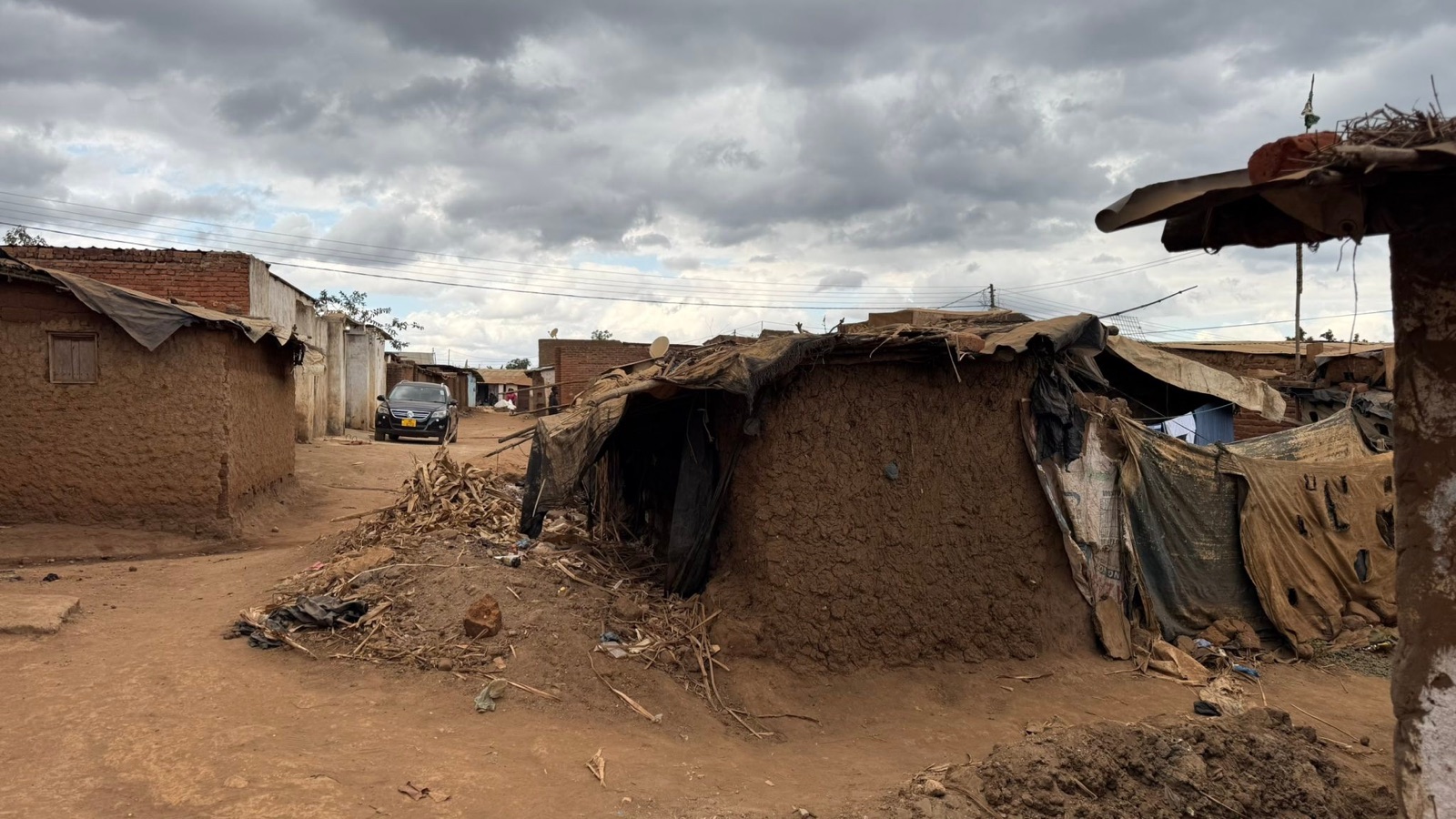
Housing conditions in a settlement holding more than four times its planned population, where limited land affects shelter, drainage, sanitation, roads, and public space.
History
Refugee law and encampment policy in Malawi
The legal and policy framework that shapes residence, movement, education, work, and administration for refugees and asylum-seekers living at Dzaleka.
Infrastructure
Livelihoods and the local economy
How residents earn income through trade, services, agriculture, creative work, training, and digital labour despite restrictions on movement and formal employment.
Education
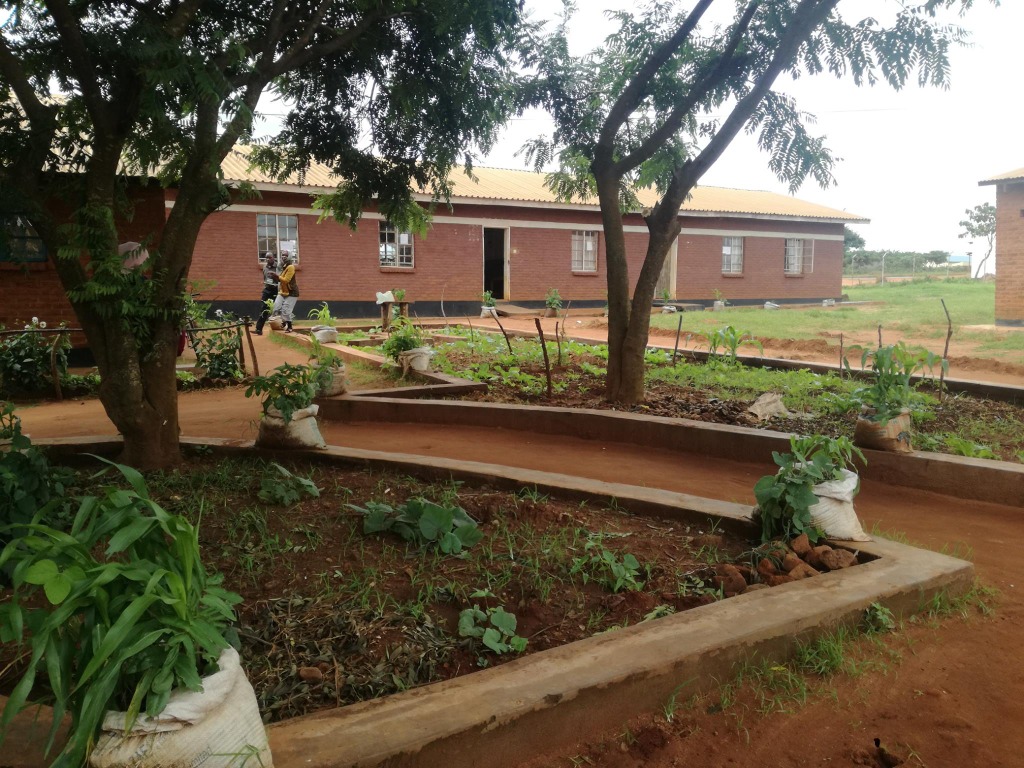
Education in Dzaleka
Public, private, community, and post-secondary education in Dzaleka, including the Malawi curriculum and long-running scholarship and digital-learning programmes.
Health
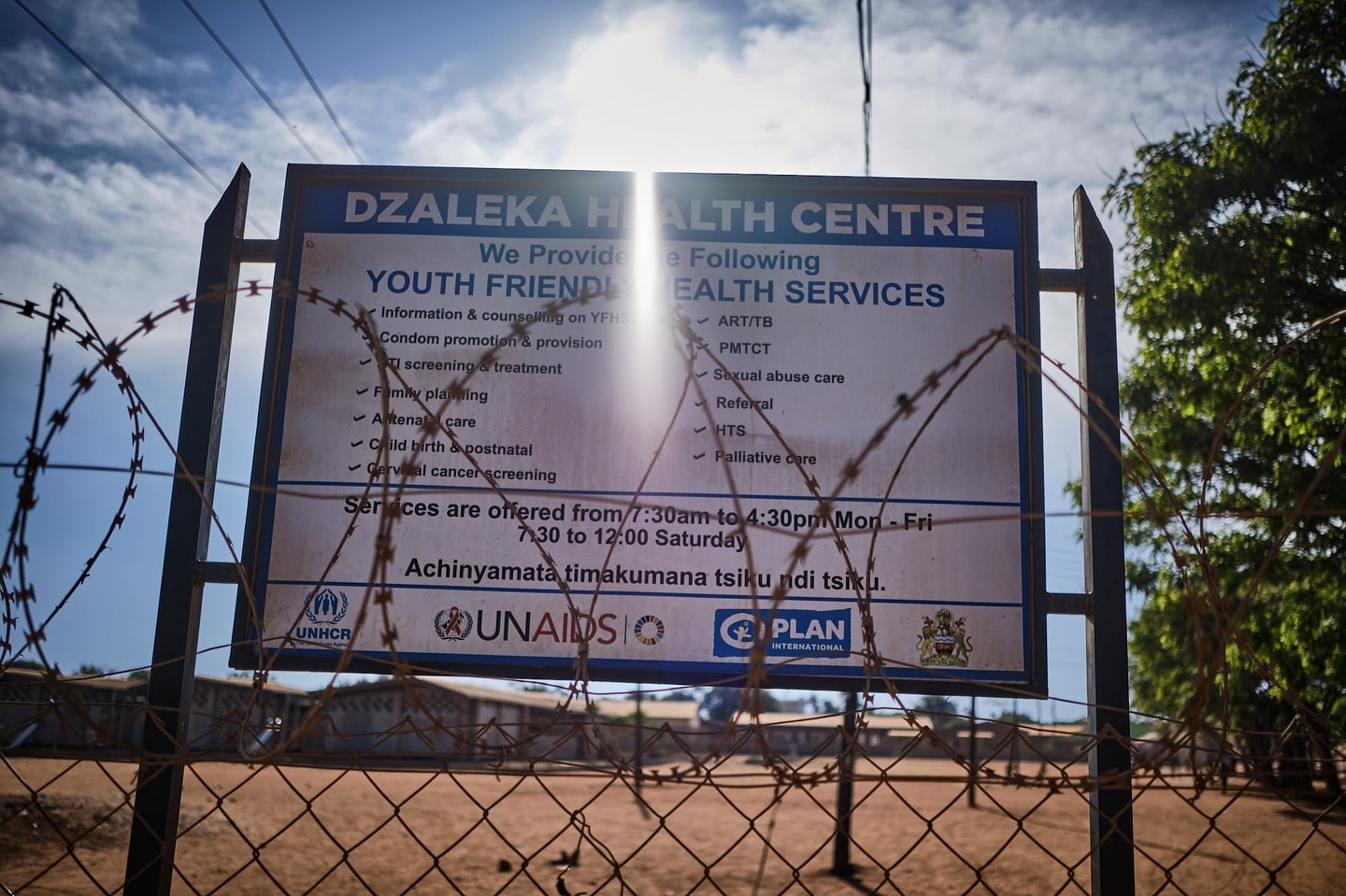
Dzaleka Health Centre
The primary health facility inside Dzaleka, serving refugees, asylum-seekers, and surrounding communities in Dowa District.
Culture
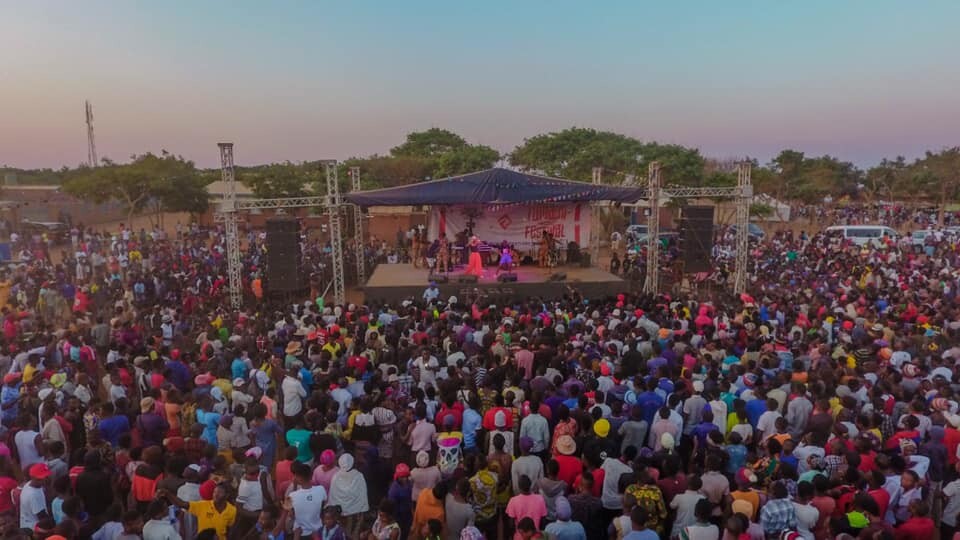
Tumaini Festival
A refugee-led arts and culture festival founded in Dzaleka in 2014, bringing camp residents, Malawian communities, and visiting artists together.
History
Waiting in Dzaleka Refugee Camp: Agency through Self- and Community Organisation
A 2025 Master's thesis by Anna-Lena Stammen (University of Applied Sciences Erfurt) analysing refugee agency, waiting, coping mechanisms, social space mapping, and refugee-led organisations under Malawi's encampment policy.
Help improve this entry
Send a correction, a stronger source, a missing detail, or a photograph. Submissions are reviewed against the encyclopedia's editorial guidance before the public record changes.