Health
Mental health in Dzaleka
Also known as Mental health, MHPSS in Dzaleka
A reference entry on the 2022 Psychiatry Research screening study, the gap between measured distress and available psychosocial services, and the organisations providing support in the camp.
2 min read
Reviewed
Key facts about Mental health in Dzaleka
- Key study
- Psychiatry Research, 2022 (102 people assessed)
- Probable depression in sample
- 78% (PHQ-9 score of 10 or above)
- Reported suicide attempts
- 15% in the previous 12 months
- Global depression prevalence, for comparison
- About 3.8% (WHO)
On this page
Research
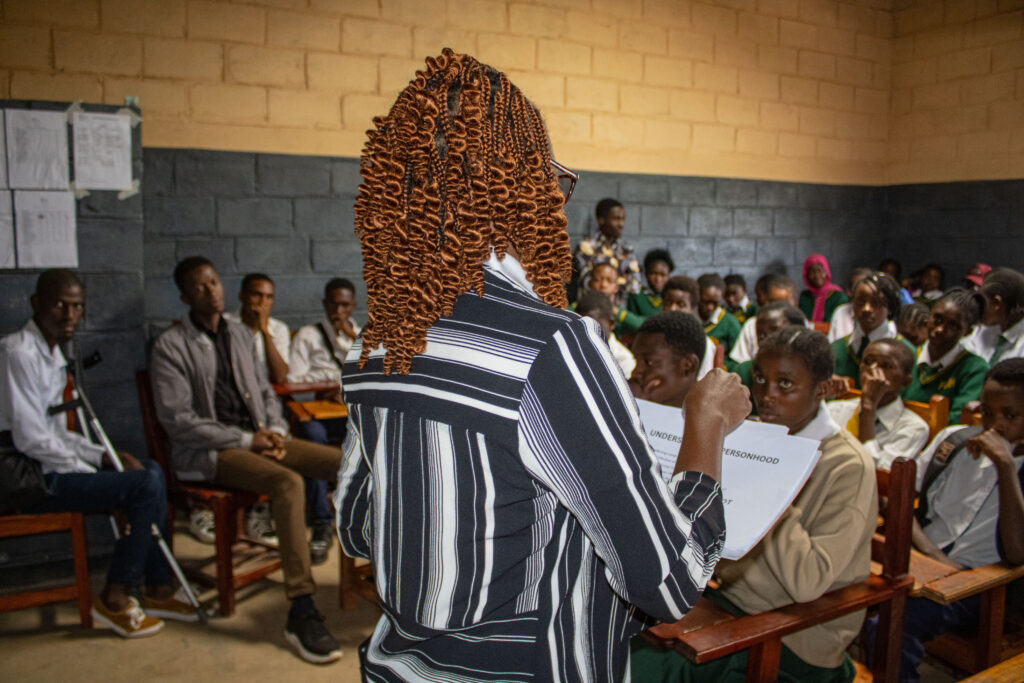
The most cited evidence on mental health in Dzaleka is a study published in Psychiatry Research in 2022. Researchers screened 102 camp residents with the PHQ-9 questionnaire: 78% scored 10 or above, the threshold for probable depression, and 15% reported attempting suicide in the previous twelve months. For scale, the WHO estimates global depression prevalence at roughly 3.8%.
The study has limits that matter for reading it honestly. It is a single cross-sectional screening of 102 people in a camp of tens of thousands, without a described sampling strategy or a host-community comparison group — a screening signal, not a census. Even read cautiously, the signal is severe.
The treatment gap
Measured distress far exceeds available care. Psychosocial services in the camp reach a small fraction of residents, and several barriers compound: language (clinicians often work in English or Chichewa while residents speak Kinyarwanda, Kirundi, Swahili, or Somali), stigma around the phrase “mental health,” and distress that presents physically — headaches, fatigue, “msongo wa mawazo” (“too many thoughts”) — rather than as a named condition.
Who provides support
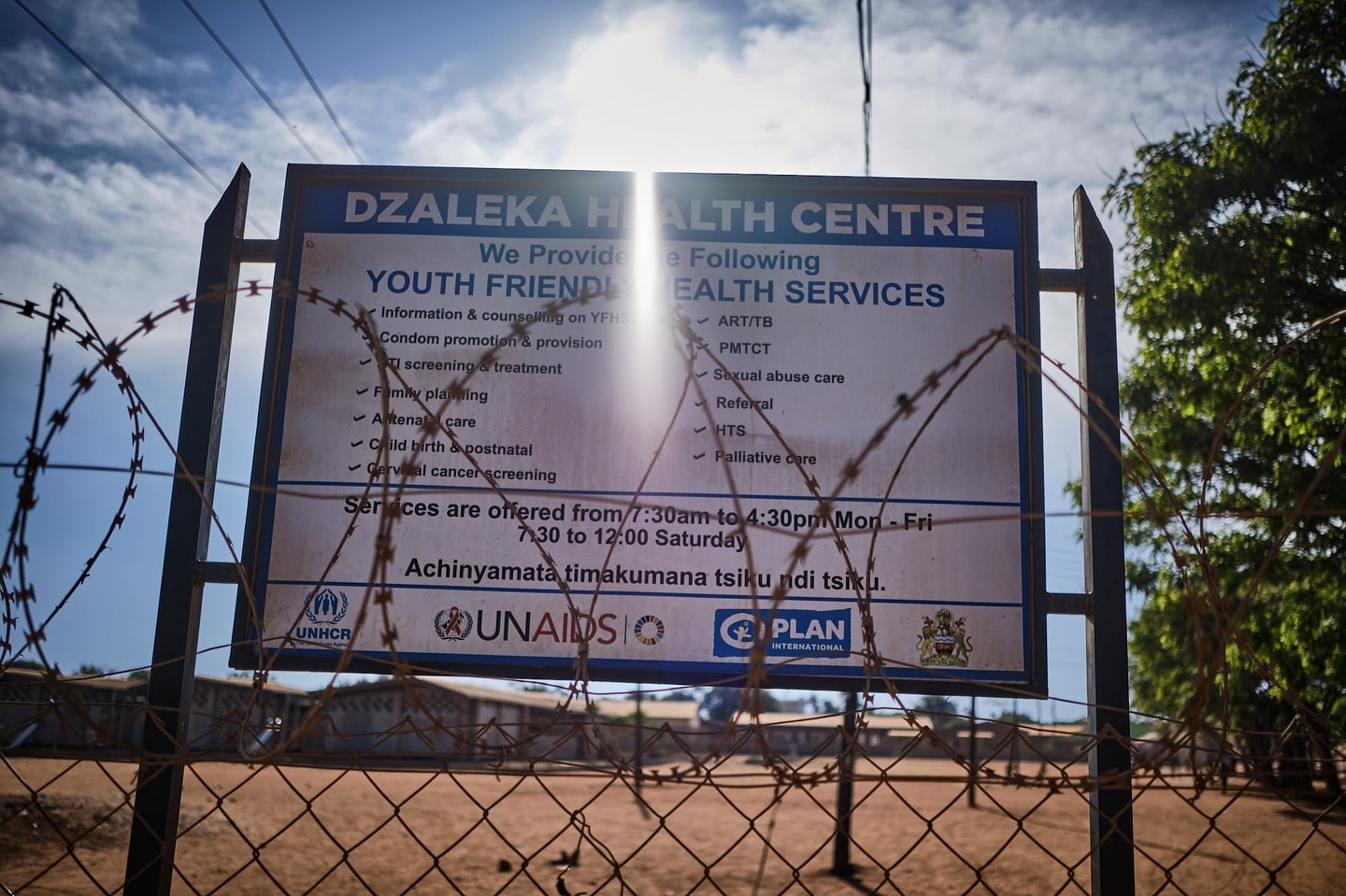
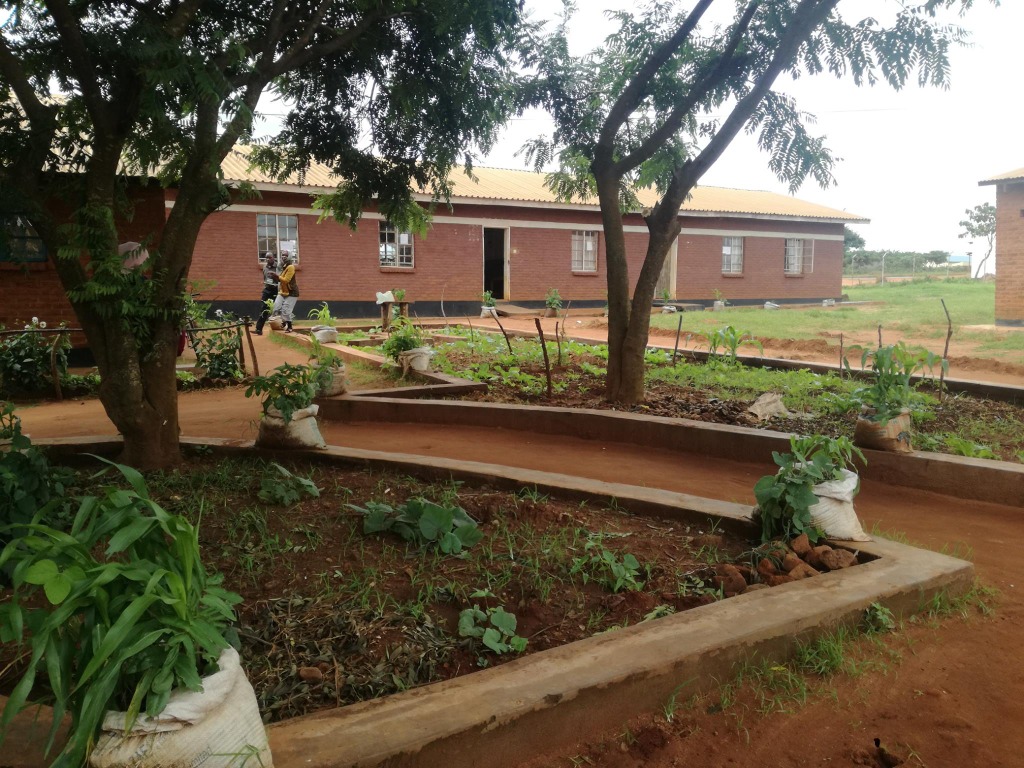
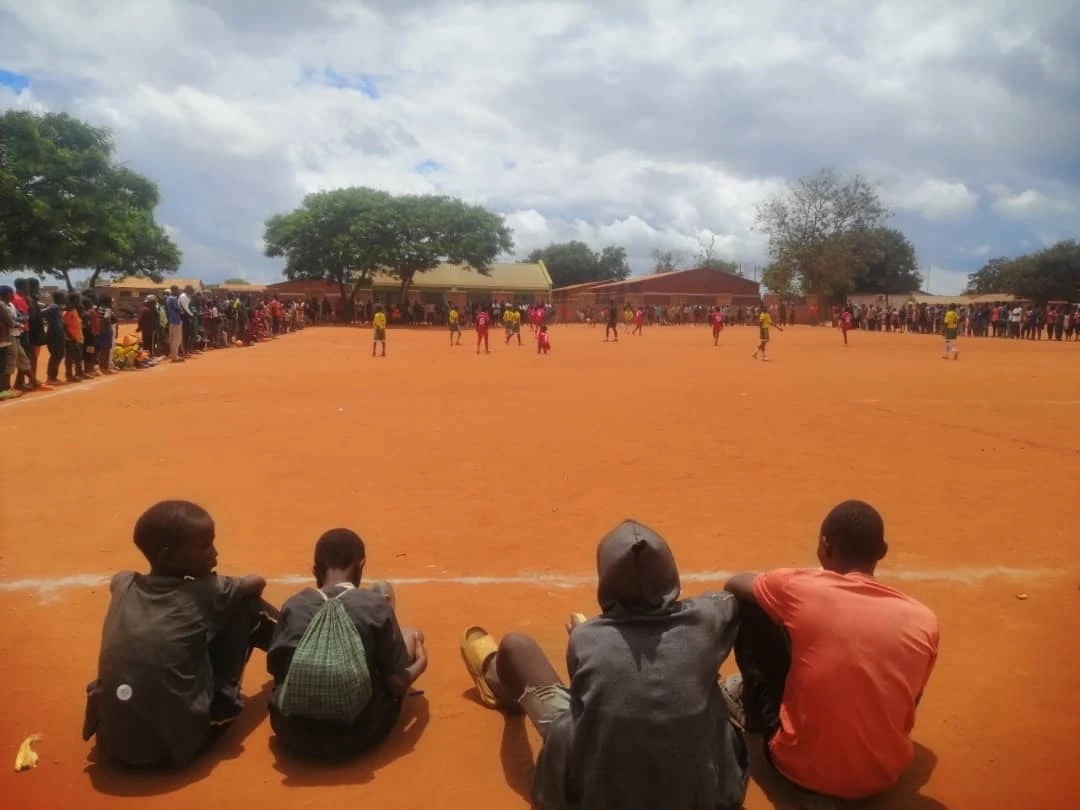
Jesuit Refugee Service runs the camp’s main mental health and psychosocial support (MHPSS) programme, alongside the Dzaleka Health Centre’s general services and faith- and community-based groups. Sports and arts organisations also function as informal psychosocial support: the Match Foundation has documented football-based mental health work with young people in the camp.
Context
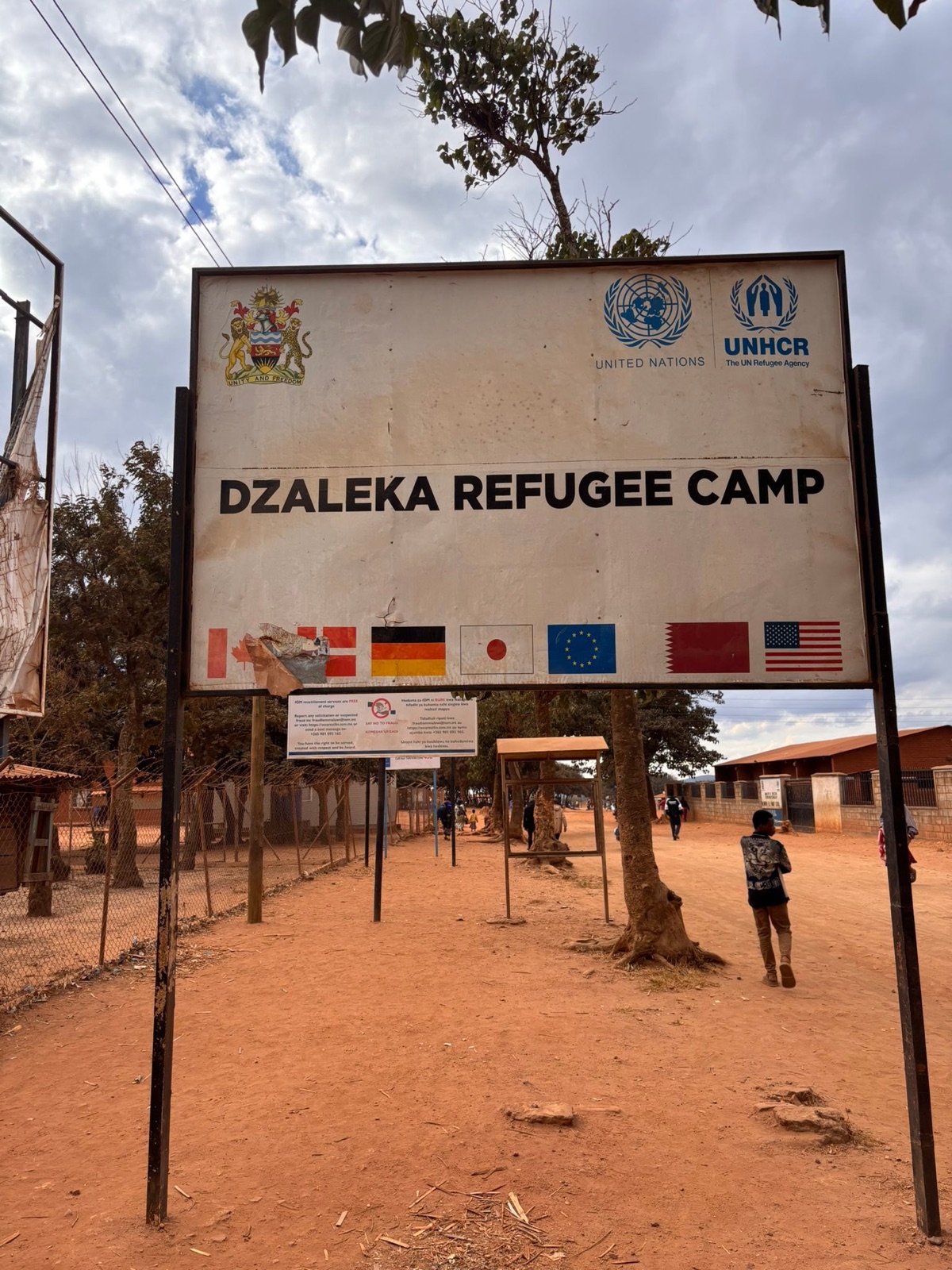
Research and reporting have linked the camp’s mental health burden to structural conditions, including encampment, overcrowding, and restricted livelihoods, which are documented in this encyclopedia’s entries on law and policy.
References
Sources
- 1It is time to think about refugees' mental health: The case of Dzaleka Refugee Camp — Malawi
Psychiatry Research (via PubMed), October 2022
- 2Depressive disorder (depression) fact sheet
World Health Organization, March 2023
- 3Mental Health and Psychosocial Support (MHPSS) programme
Jesuit Refugee Service
- 4Mental Health Through Sports at Dzaleka Camp
Match Foundation, 20 March 2025
Related entries
Health
Dzaleka Health Centre
The primary health facility inside Dzaleka, serving refugees, asylum-seekers, and surrounding communities in Dowa District.
Institution
Jesuit Refugee Service in Dzaleka
The education, livelihoods, psychosocial, pastoral, and basic-needs programmes operated by Jesuit Refugee Service in and around Dzaleka.
Health
2024 health, nutrition and population study
The Dzaleka component of the 2024 Malawi Demographic and Health Survey: how 720 selected households were sampled and what the resulting report can and cannot establish about the camp.
History
Refugee law and encampment policy in Malawi
The legal and policy framework that shapes residence, movement, education, work, and administration for refugees and asylum-seekers living at Dzaleka.
Culture
Sport in Dzaleka
A reference entry on football and organised sport in the camp: the fifteen-team football scene, the Dzaleka Sports Association's youth tournaments, and programmes supported by FIFA and other partners.
Help improve this entry
Send a correction, a stronger source, a missing detail, or a photograph. Submissions are reviewed against the encyclopedia's editorial guidance before the public record changes.