Health
Vaccination, nutrition and anaemia in the 2024 MDHS
Also known as Dzaleka vaccination 2024, Dzaleka child nutrition MDHS, Dzaleka anaemia MDHS
Dzaleka estimates for childhood vaccination, HPV vaccination, child growth and anaemia among children and women in the 2024 national health survey.
2 min read
Reviewed
Academic research
Key facts about Vaccination, nutrition and anaemia in the 2024 MDHS
- Basic vaccination, age 12-23 months
- 80% in Dzaleka; 67% elsewhere in Malawi
- HPV vaccine, two doses
- 17% of surveyed women aged 15-17 in Dzaleka
- Stunting under age 5
- 38% in both Dzaleka and the national comparison
- Child anaemia, age 6-59 months
- 41% in Dzaleka; 56% elsewhere in Malawi
- Anaemia among women aged 15-49
- 35% in Dzaleka; 36% elsewhere in Malawi
On this page
Childhood vaccination
Among children aged 12 to 23 months, the report estimated that 79.8 percent in Dzaleka had received all basic antigens and 74.1 percent were fully vaccinated according to Malawi’s national schedule. The corresponding estimates elsewhere in Malawi were 66.7 and 46.6 percent. No child in the Dzaleka table was recorded as having received no vaccination, compared with 1.3 percent in the national comparison.
The estimate changes for the older age band. Among children aged 24 to 35 months, about 34 percent in both Dzaleka and the national comparison were fully vaccinated according to the national schedule. The Dzaleka table included 129 children aged 12 to 23 months and 80 aged 24 to 35 months, so the age bands should not be combined.
HPV vaccination
HPV coverage was substantially lower in the Dzaleka sample. Among women aged 15 to 17, 17 percent reported two doses, 6 percent one dose and 75 percent no dose. In the national comparison, 31 percent reported two doses, 26 percent one dose and 42 percent none. Percentages may not total exactly 100 because of rounding or unreported responses.
Child growth indicators
Among children under five in Dzaleka, 38 percent were stunted, 1 percent wasted, 7 percent underweight and 5 percent overweight. The national comparison was 38, 2, 10 and 6 percent respectively. Stunting was therefore common in both populations even where the other Dzaleka point estimates were slightly lower.
These indicators are not interchangeable. Stunting measures low height for age and reflects longer-term growth restriction; wasting measures low weight for height and is associated with acute undernutrition.
Anaemia
The survey classified 41 percent of Dzaleka children aged 6 to 59 months as anaemic, compared with 56 percent elsewhere in Malawi. In Dzaleka, 19 percent were mildly anaemic, 22 percent moderately anaemic and fewer than 1 percent severely anaemic.
Among women aged 15 to 49, anaemia prevalence was similar in the two populations: 35 percent in Dzaleka and 36 percent elsewhere. Lower prevalence than a comparison population does not mean the burden is small; roughly two in five young children and one in three women met the survey threshold in Dzaleka.
References
Sources
- 1Understanding the health, nutrition and population situation in Dzaleka Refugee Camp
National Statistical Office, UNHCR and World Bank-UNHCR Joint Data Center, May 2026
Chapter 4, vaccination, nutrition and anaemia.
- 2Malawi - Demographic and Health Survey 2024
World Bank Microdata Library, 20 March 2026
Biomarker and child-vaccination survey metadata.
- 3Malawi 2024 DHS child-vaccination variables
World Bank Microdata Library, 2026
Related entries
Health
2024 health, nutrition and population study
The Dzaleka component of the 2024 Malawi Demographic and Health Survey: how 720 selected households were sampled and what the resulting report can and cannot establish about the camp.
Health
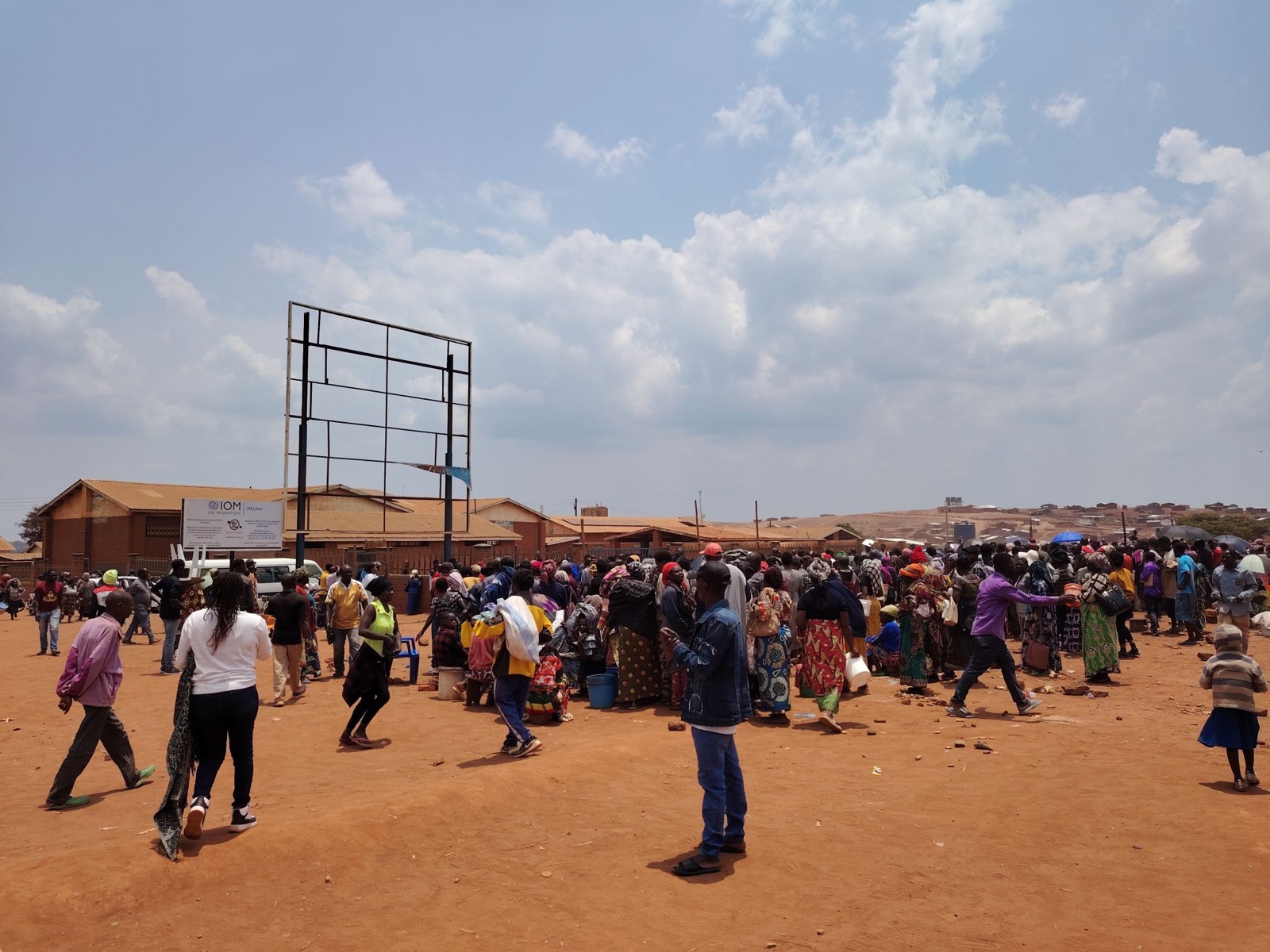
Food security and assistance
The food and cash assistance system at Dzaleka, the effects of funding shortfalls, and the evidence used to assess household food security.
Health
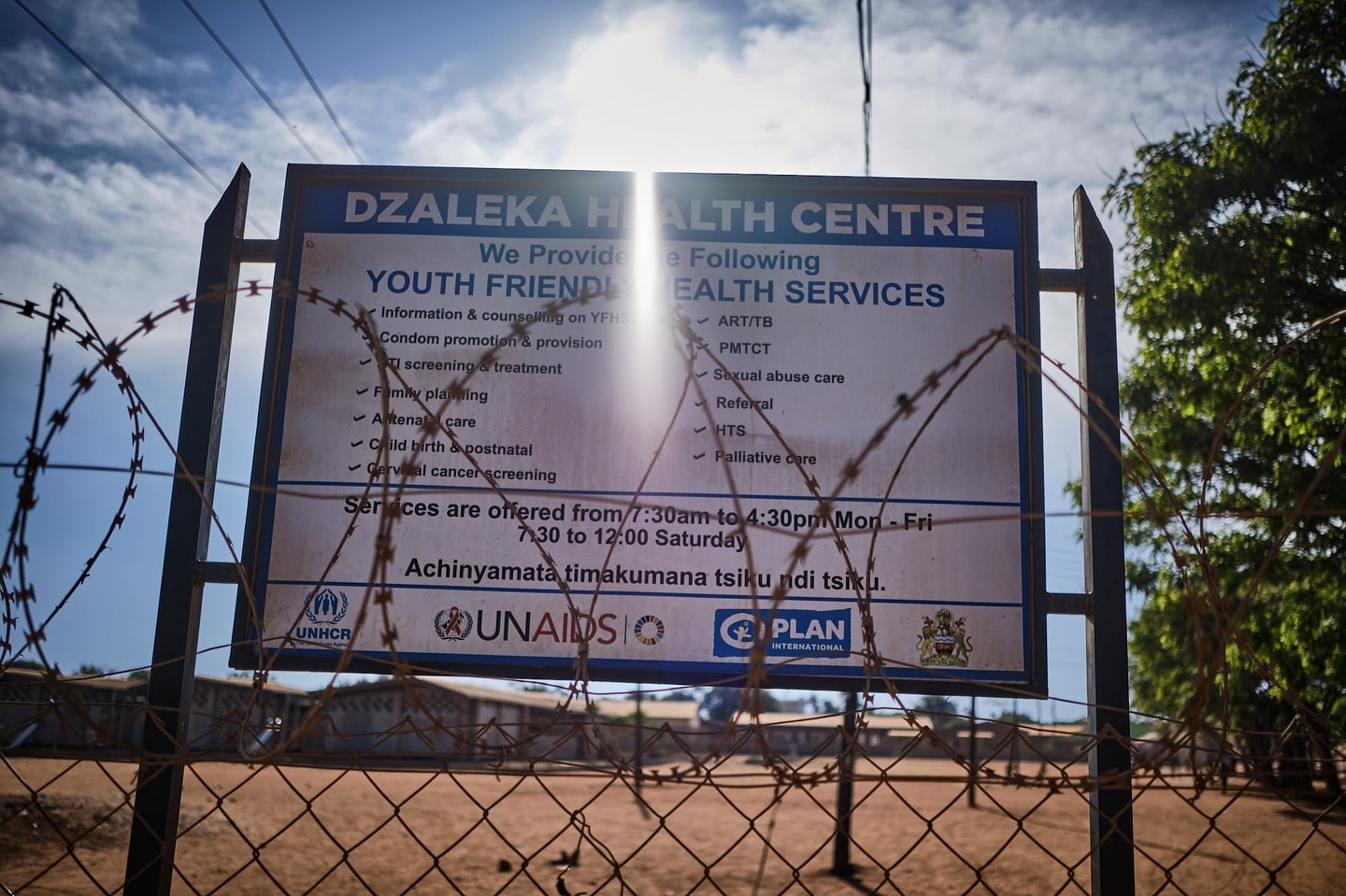
Dzaleka Health Centre
The primary health facility inside Dzaleka, serving refugees, asylum-seekers, and surrounding communities in Dowa District.
Health
Maternal health and malaria in the 2024 MDHS
Survey findings on antenatal care, delivery, mosquito-net coverage, malaria prevention during pregnancy and malaria testing among young children in Dzaleka.
Help improve this entry
Send a correction, a stronger source, a missing detail, or a photograph. Submissions are reviewed against the encyclopedia's editorial guidance before the public record changes.