History
History of Dzaleka
How Dzaleka developed from a camp opened in 1994 into Malawi's principal refugee settlement, including the consolidation of residents from Luwani and decades of population growth.
2 min read
Reviewed
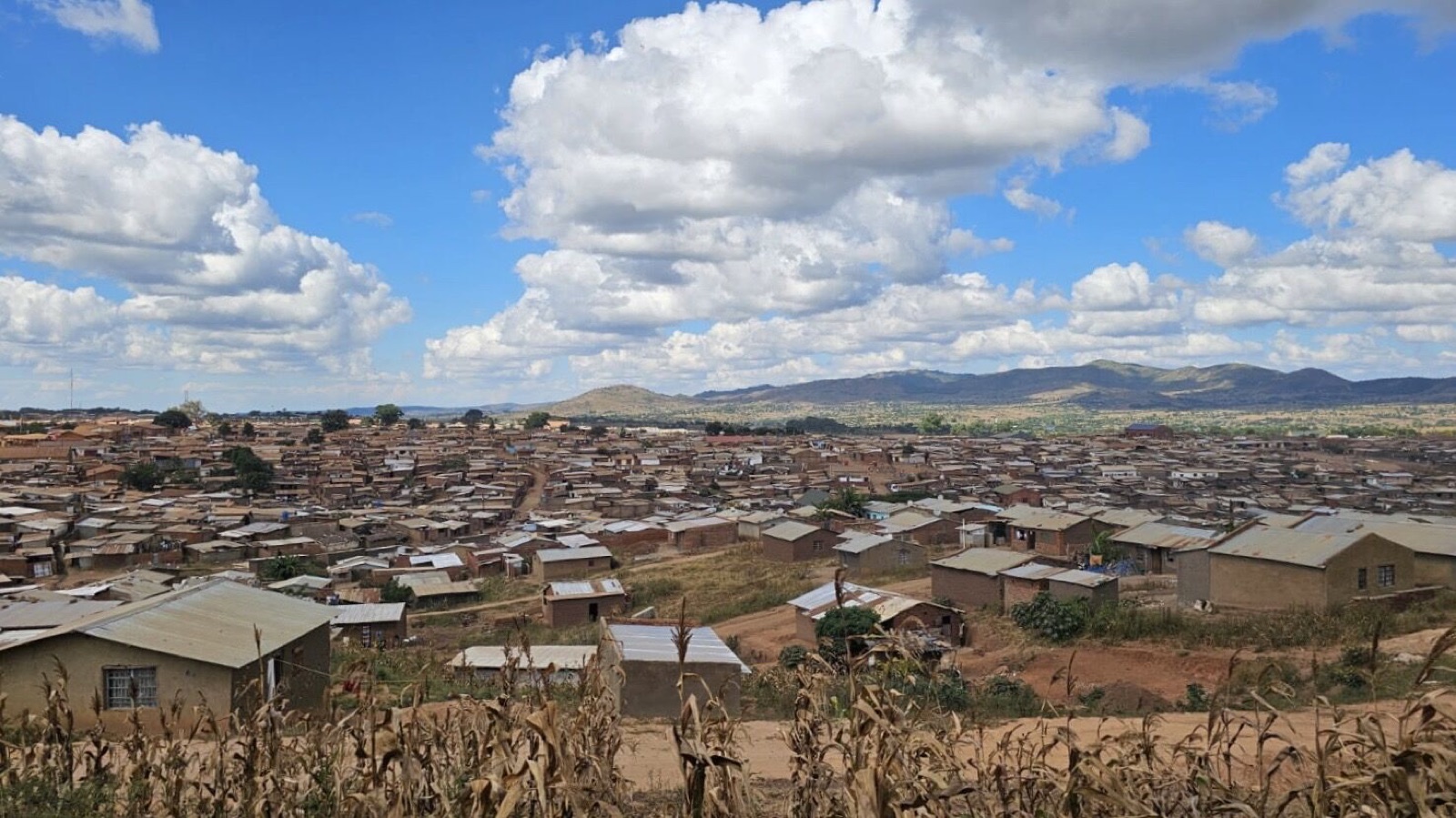
Key facts about History of Dzaleka
- Opened
- 1994
- Original purpose
- Shelter for people displaced by conflicts in the Great Lakes region
- Luwani consolidation
- Approximately 3,000 people transferred to Dzaleka in 2007
- Long-term status
- A protracted refugee situation
On this page
Establishment in 1994
Dzaleka was opened in 1994 by the Government of Malawi and UNHCR as conflicts in Rwanda, Burundi, and the Democratic Republic of the Congo displaced people across the Great Lakes region. The site was planned for a population of roughly 10,000 to 12,000.
Over time, Dzaleka shifted from an emergency site into a protracted settlement. New generations grew up in the camp while continuing conflict and insecurity in countries of origin brought further arrivals.
Consolidation after Luwani
In 2007, the Government of Malawi ordered the closure of Luwani camp. UNHCR reported that approximately 3,000 people were transferred to Dzaleka, increasing its population from about 5,000 to more than 8,000. Schools and medical facilities faced immediate pressure as residents and staff were moved.
The same year, the Government and UNHCR conducted a registration exercise to improve population records and individual profiles. The exercise illustrates why historical totals should be treated as dated measurements rather than fixed numbers.
Rapid growth
Population growth accelerated during the 2010s and early 2020s as people continued to arrive, particularly from the Democratic Republic of the Congo, Burundi, and Rwanda. UNHCR reported more than 52,000 residents at the end of 2024, over four times the camp’s planned capacity.
A community as well as a camp
Three decades of settlement produced institutions and public life not captured by the idea of a temporary camp alone. Residents established businesses, schools, faith communities, cultural organisations, media, advocacy groups, and technology programmes. Humanitarian systems remain central, but Dzaleka’s history is also a history of resident-led social, cultural, and economic organisation.
References
Sources
- 1Malawi country overview
UNHCR, 2024
- 2UNHCR fits Malawi's refugees into one camp
UNHCR, 2007
- 3UNHCR and Malawi register all refugees and asylum seekers
UNHCR, 22 November 2007
- 4Socio-economic assessment of refugees and asylum seekers in Malawi's Dzaleka and Luwani camps
World Bank Microdata Library, 2017
Related entries
Place
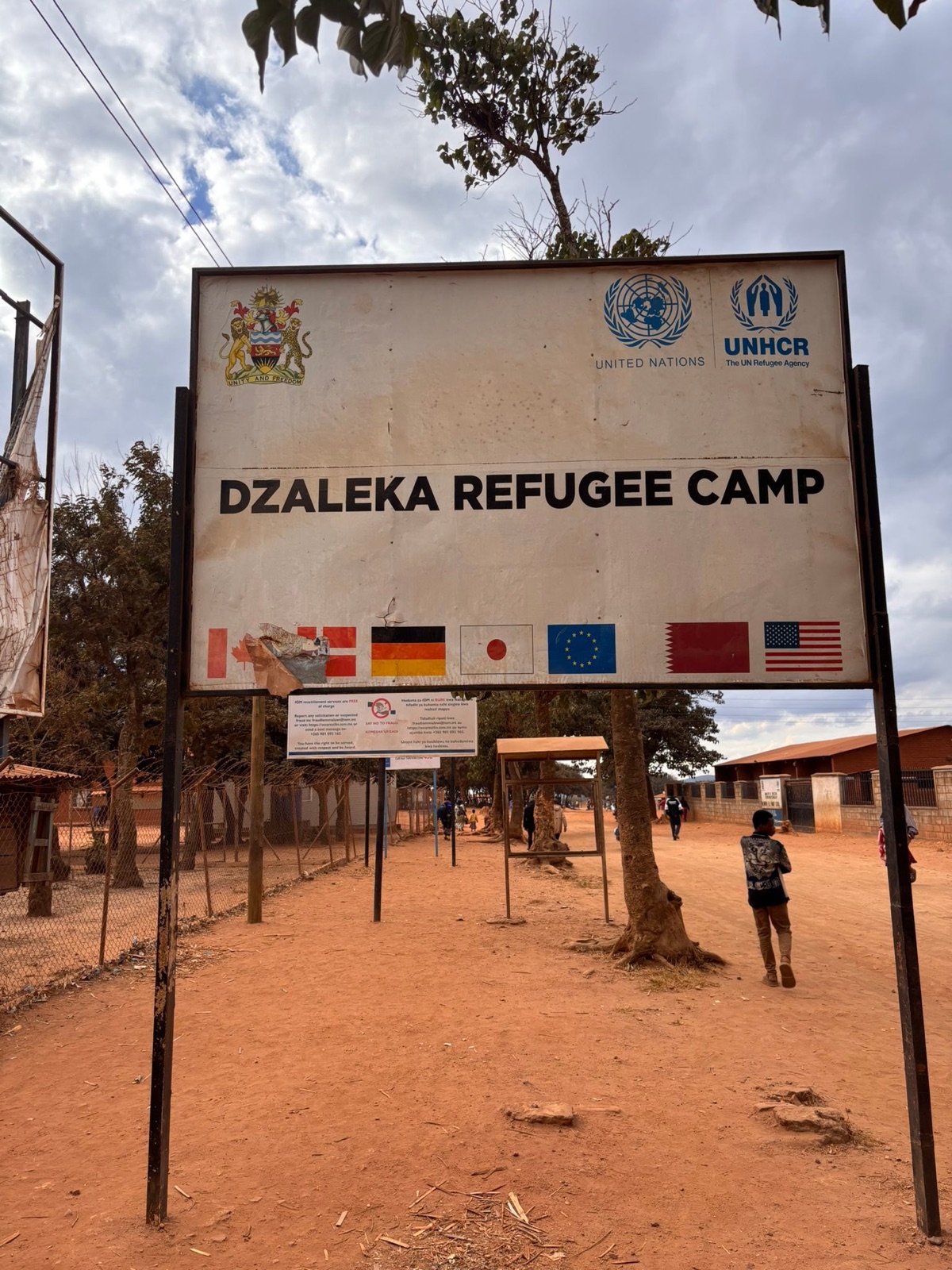
Dzaleka Refugee Camp
A long-established refugee settlement in Dowa District, Malawi, opened in 1994 and now home to a large, multilingual community from the Great Lakes region and the Horn of Africa.
History
Population and demography
A dated guide to population figures for Dzaleka and Malawi's refugee population, including countries of origin and why totals vary between reports.
History
Refugee law and encampment policy in Malawi
The legal and policy framework that shapes residence, movement, education, work, and administration for refugees and asylum-seekers living at Dzaleka.
Infrastructure
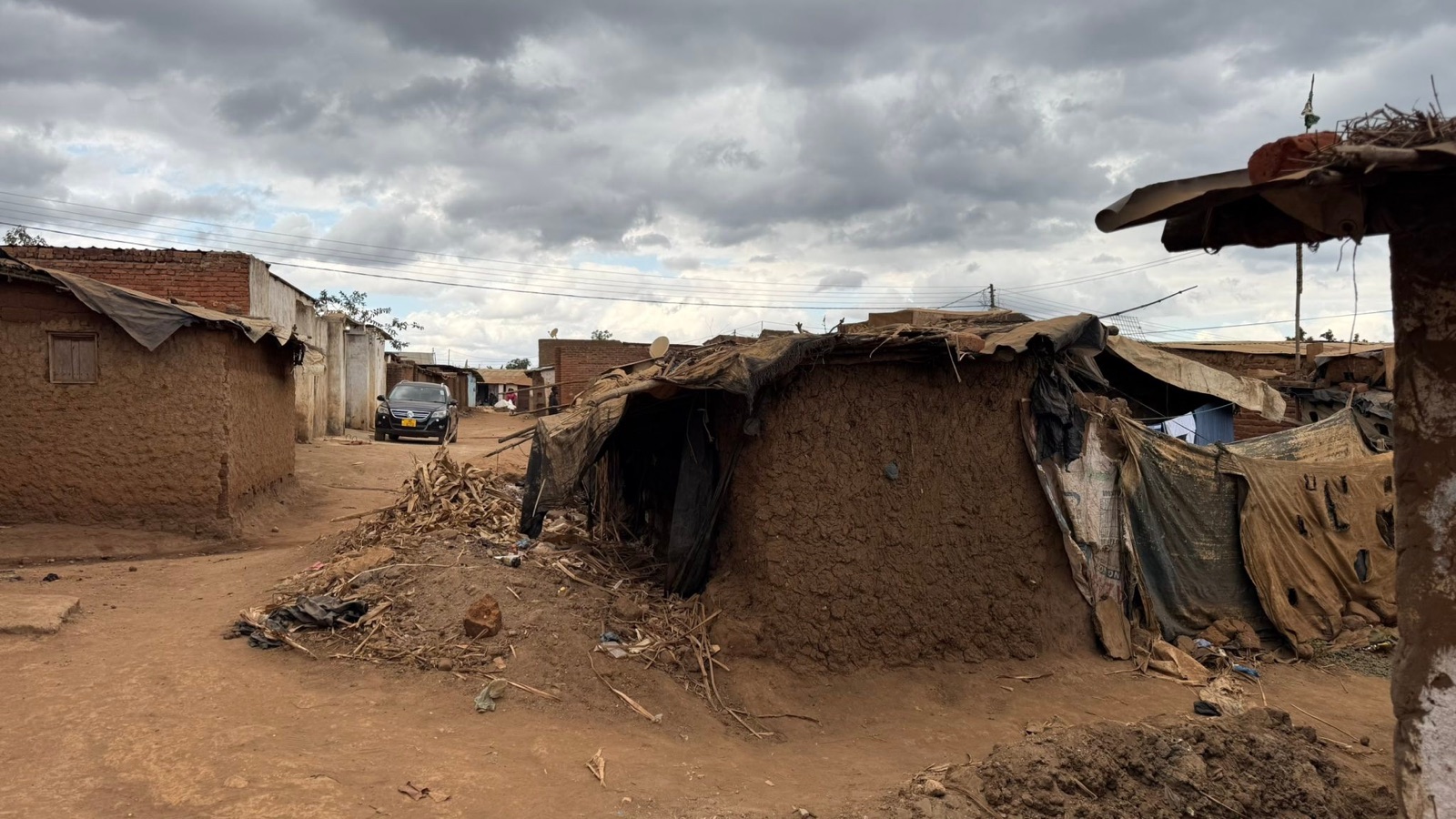
Housing and overcrowding
Housing conditions in a settlement holding more than four times its planned population, where limited land affects shelter, drainage, sanitation, roads, and public space.
Help improve this entry
Send a correction, a stronger source, a missing detail, or a photograph. Submissions are reviewed against the encyclopedia's editorial guidance before the public record changes.