Infrastructure
Housing and overcrowding
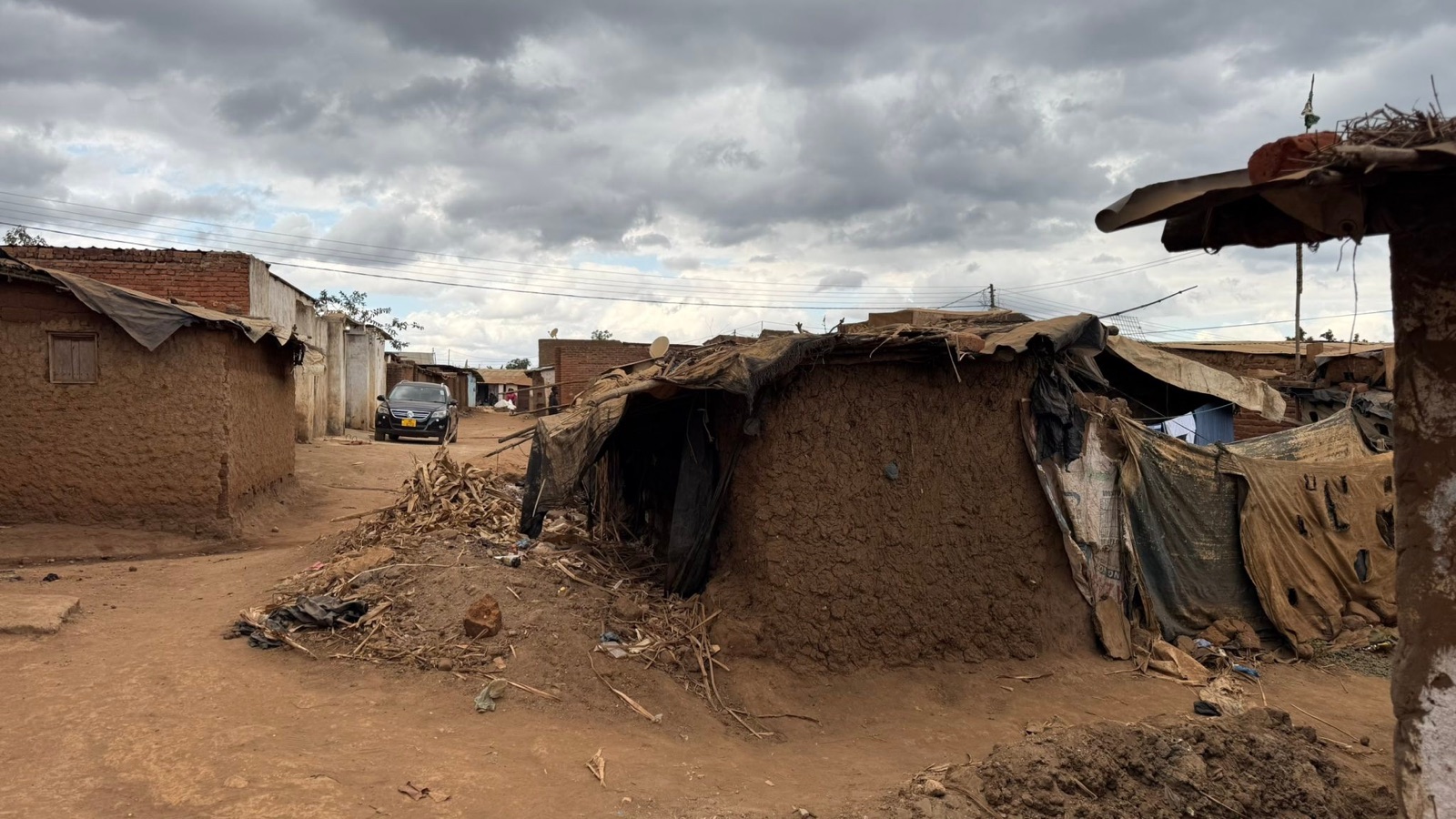
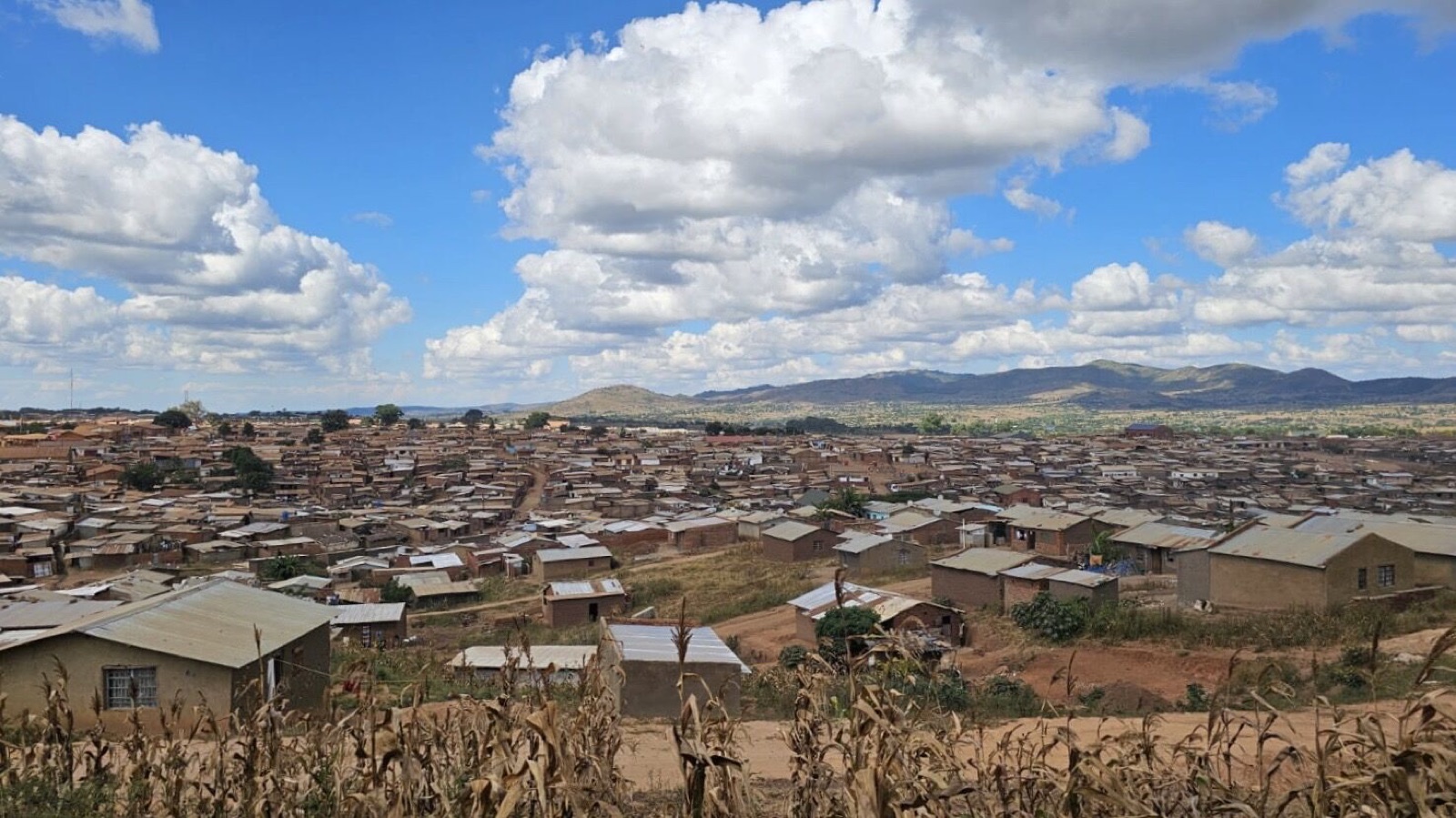
Housing conditions in a settlement holding more than four times its planned population, where limited land affects shelter, drainage, sanitation, roads, and public space.
2 min read
Reviewed
Key facts about Housing and overcrowding
- Planned capacity
- 10,000-12,000 people
- Reported population
- More than 52,000 at the end of 2024
- Settlement pattern
- Dense residential sections with limited land for expansion
On this page
From temporary site to dense settlement
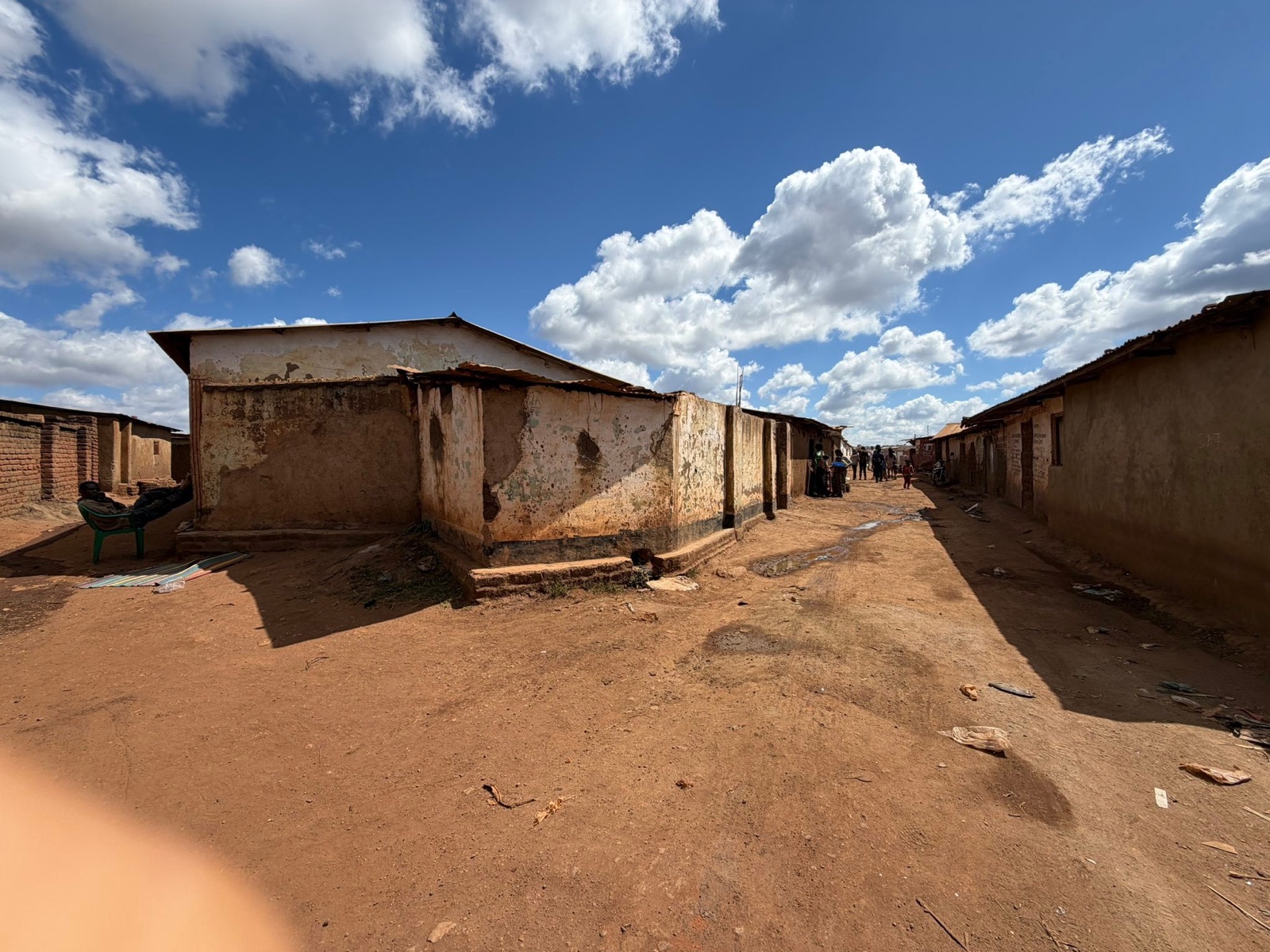
Dzaleka was designed for between 10,000 and 12,000 people. UNHCR reported more than 52,000 residents at the end of 2024. The difference between planned capacity and actual population is visible in the settlement’s dense housing, narrow lanes, pressure on public facilities, and limited room for new arrivals.
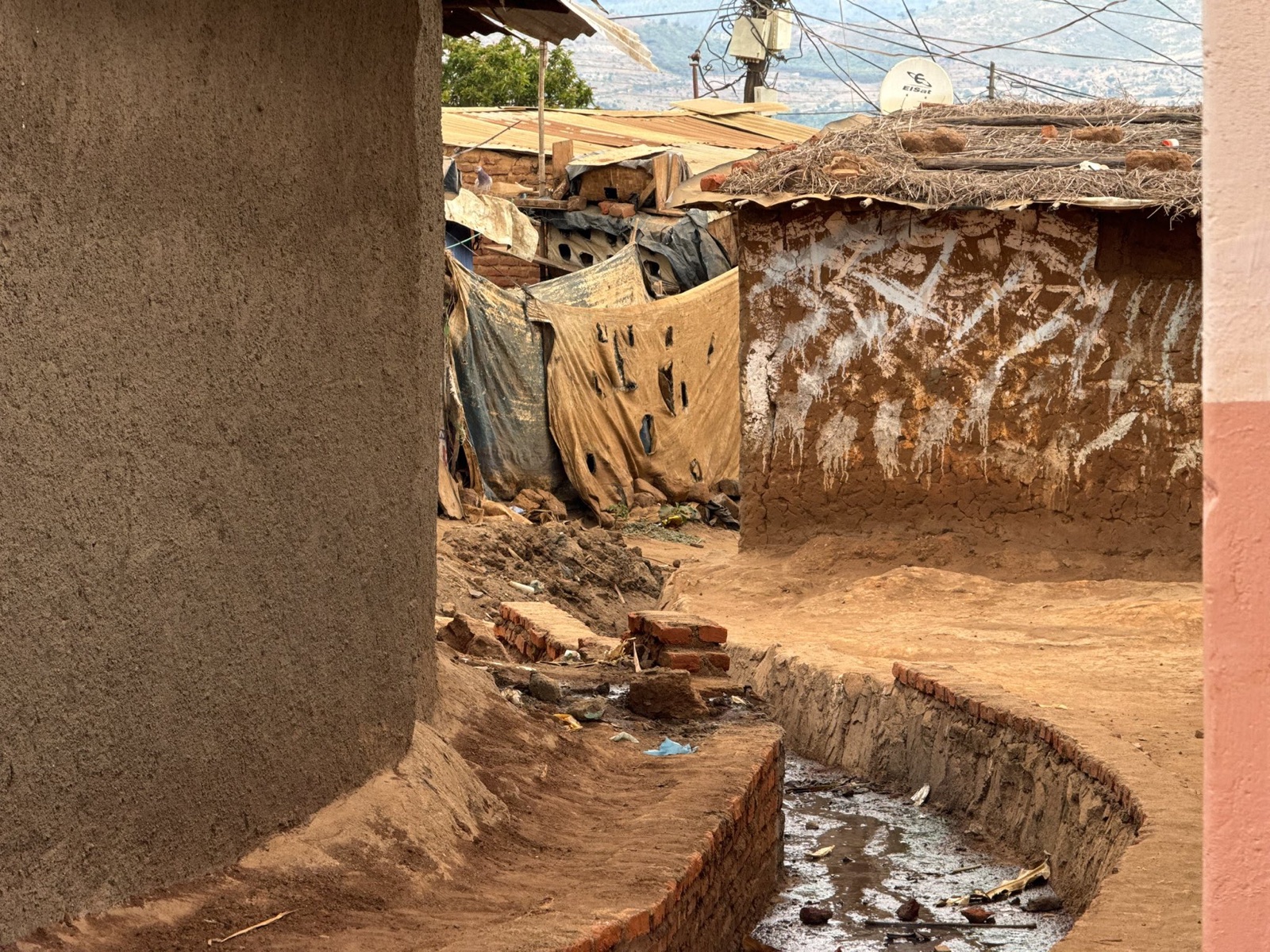
Homes vary in age and construction. Common materials include earth or fired brick, timber, metal roofing, grass, and reused sheeting. Some long-established households have improved their homes over time, while newly arrived or vulnerable families may face difficulty securing adequate shelter.
Land constraints
Limited space affects more than housing. It reduces room for household latrines, drainage, waste collection points, gardens, roads, play areas, and institutional expansion. UNHCR’s August 2024 fact sheet noted that it was particularly difficult to increase household sanitation facilities in older sections of the camp because of limited space.
Overcrowding as a service issue
Overcrowding increases demand for classrooms, health services, water points, and food assistance. It can also make fire prevention, drainage, infection control, privacy, disability access, and protection more difficult. These issues are connected: a housing shortage cannot be understood separately from water, sanitation, health, and legal policy.
Interpreting photographs
The photographs on this page show particular streets and homes, not a complete survey of housing conditions. They document visible features of the built environment but should be read alongside population and household data.
Evidence
Data behind this entry
Each figure below is plotted only where a cited source reports it. Open the table under any chart to read the values and follow them back to the original report.
Camp population against planned capacity
Dzaleka Refugee Camp · measured in people
Dzaleka was planned for 10,000 to 12,000 people. Reported population has been several times that figure for years, which is the underlying cause of the housing, water, and sanitation pressures described across these entries.
How to read this: Points are plotted only where a cited source reports a figure, so the line is sparse and the segments between points are not measurements. The 1994 value is the midpoint of the planned capacity range, not a recorded population.
View the figures and their sources
| Period | Figure | Source |
|---|---|---|
| 1994 | 11,000Site opened; planned for roughly 10,000 to 12,000 people. Plotted at the midpoint of that range. | UNHCR, End-December 2024 data |
| 2019 | More than 41,000UNHCR registered over 41,000 people in Dzaleka. | United Nations Malawi, 25 November 2019 |
| 2024 | More than 52,000More than 52,000 residents reported at the end of December 2024. | UNHCR, End-December 2024 data |
Sources
- Malawi country overview — UNHCR, End-December 2024 data
- UNHCR registers over 41,000 people in congested Dzaleka Refugee Camp — United Nations Malawi, 25 November 2019
Visual record
Photographs
References
Sources
- 1Malawi country overview
UNHCR, December 2024 data
- 2UNHCR Malawi Fact Sheet
UNHCR, August 2024
- 3Malawi: Understanding the Health, Nutrition and Population Situation in Dzaleka Refugee Camp 2024
World Bank-UNHCR Joint Data Center, 2 July 2026
Related entries
Place
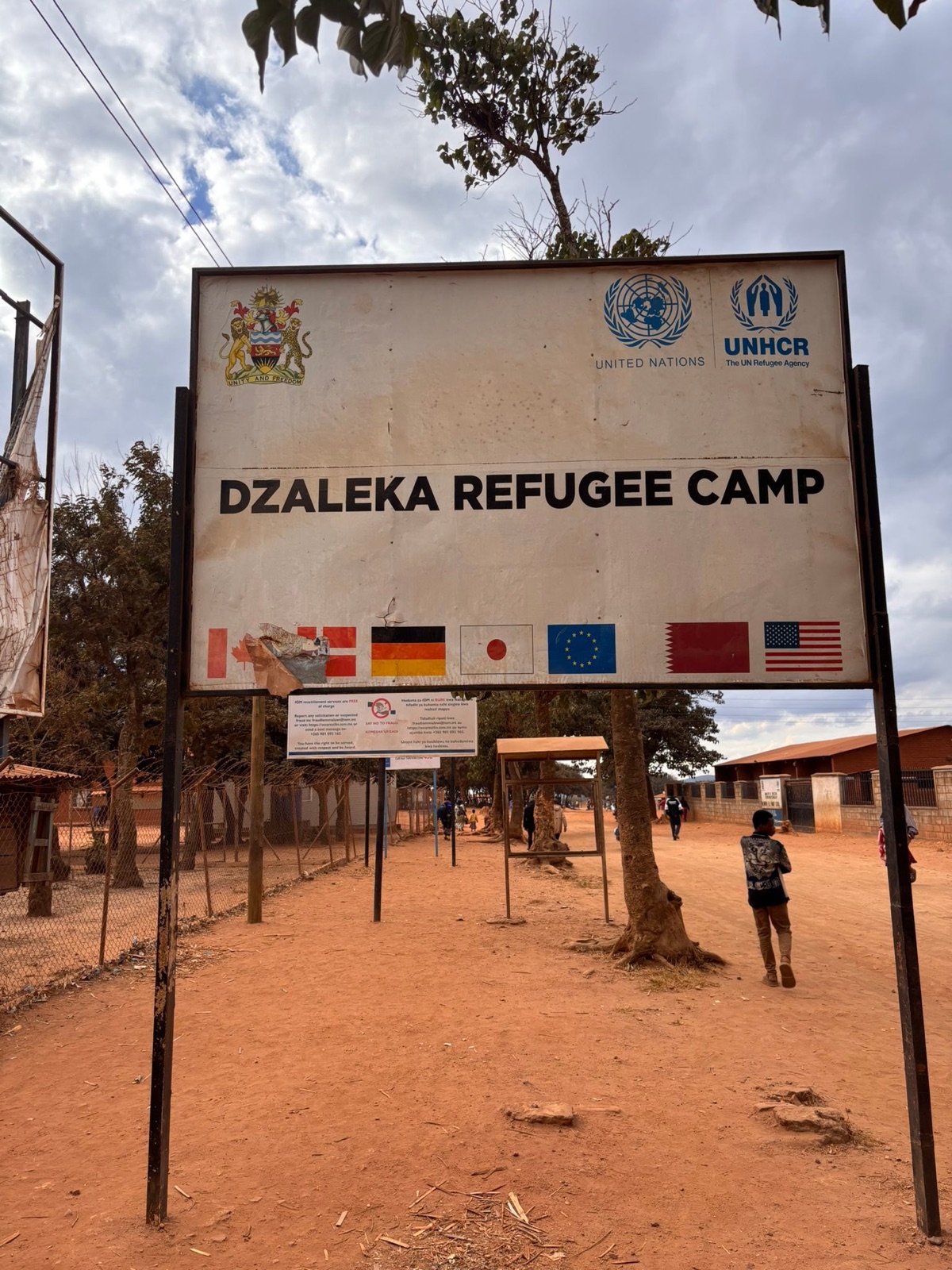
Dzaleka Refugee Camp
A long-established refugee settlement in Dowa District, Malawi, opened in 1994 and now home to a large, multilingual community from the Great Lakes region and the Horn of Africa.
History
Population and demography
A dated guide to population figures for Dzaleka and Malawi's refugee population, including countries of origin and why totals vary between reports.
Infrastructure
Water and sanitation
A reference entry on water supply, latrines, handwashing, and waste management in Dzaleka, based on UNHCR's August 2024 reporting.
Health
2024 health, nutrition and population study
The Dzaleka component of the 2024 Malawi Demographic and Health Survey: how 720 selected households were sampled and what the resulting report can and cannot establish about the camp.
Infrastructure
Household conditions in the 2024 MDHS
Dzaleka survey findings on electricity, flooring, water, sanitation, household composition, birth registration, literacy, internet use and health insurance in 2024.
Help improve this entry
Send a correction, a stronger source, a missing detail, or a photograph. Submissions are reviewed against the encyclopedia's editorial guidance before the public record changes.