Health
2024 health, nutrition and population study
Also known as Dzaleka MDHS 2024, Malawi DHS Dzaleka report
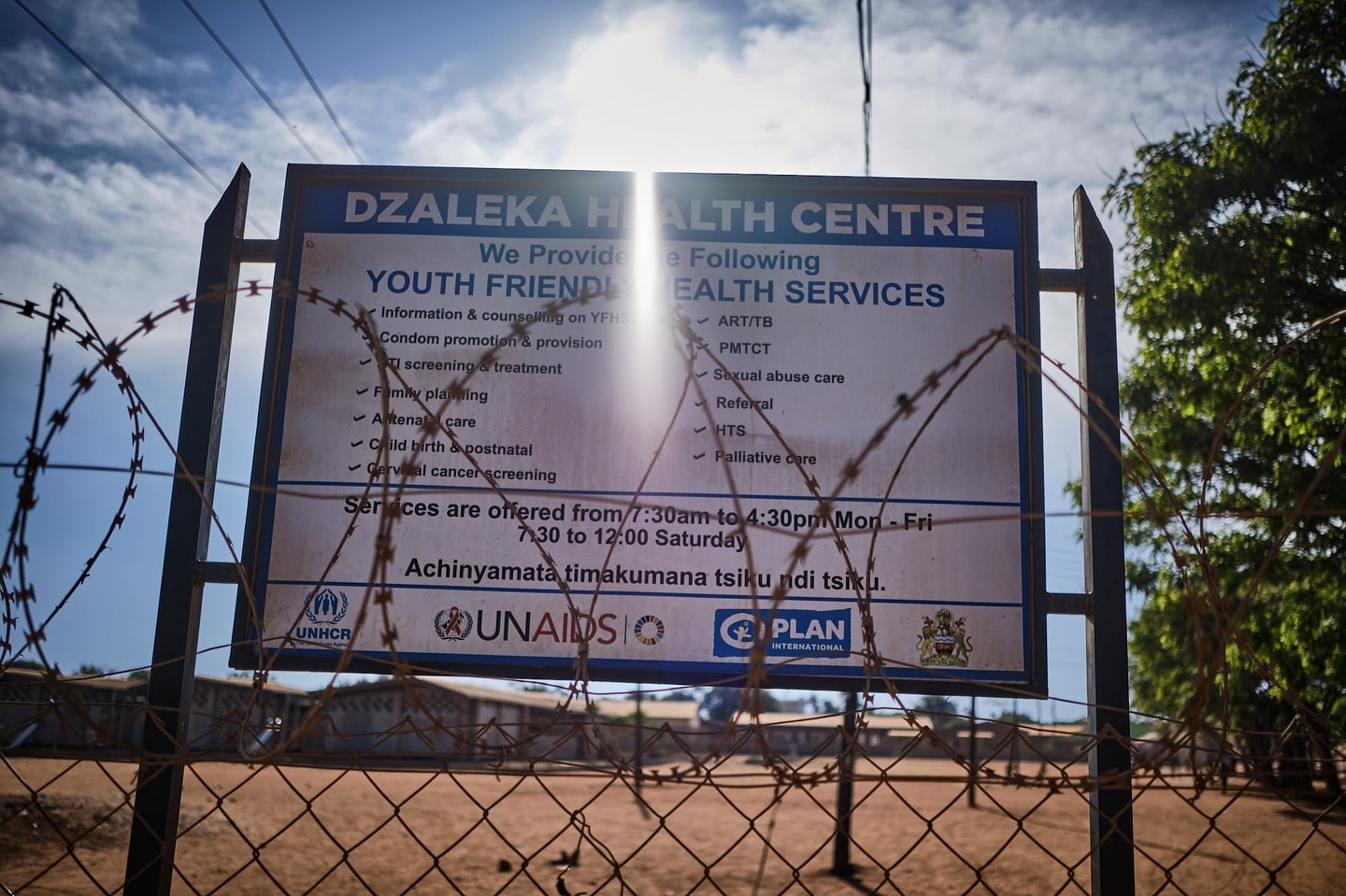
The Dzaleka component of the 2024 Malawi Demographic and Health Survey: how 720 selected households were sampled and what the resulting report can and cannot establish about the camp.
3 min read
Reviewed
Key facts about 2024 health, nutrition and population study
- Fieldwork
- 12 May to 31 August 2024
- Dzaleka sample
- 720 households selected across 24 clusters
- Completed households
- 681 interviews; 98.6% household response rate
- Individual interviews
- 738 women aged 15-49 and 330 men aged 15-54
- Dzaleka report
- May 2026; published by the Joint Data Center on 2 July 2026
On this page
What was surveyed
The 2024 Malawi Demographic and Health Survey (MDHS) treated Dzaleka as an additional national sampling domain rather than as a separate humanitarian survey. The National Statistical Office selected all 24 Dzaleka clusters in the design and then randomly selected 30 households in each cluster, producing a target of 720 households.
Of 691 occupied households, 681 completed the household interview, a response rate of 98.6 percent. Interviewers also completed individual interviews with 738 of 825 eligible women aged 15 to 49 and 330 of 407 eligible men aged 15 to 54. Data collection ran from 12 May to 31 August 2024.
Instruments and measurements
The survey used household, women’s, men’s and biomarker questionnaires. It collected information on dwelling conditions, water, sanitation, household composition, fertility, contraception, vaccination, nutrition, maternal care, malaria, employment, disability and violence. Biomarker work included anthropometry, anaemia tests, malaria rapid diagnostic tests and water-quality testing.
Using the same survey framework in Dzaleka and elsewhere in Malawi makes comparison more defensible than combining unrelated administrative datasets. The World Bank catalogue identifies Dzaleka as domain 33 and provides the survey metadata and data-access process for researchers.
What the comparison found
The report does not produce one overall ranking. Dzaleka recorded stronger results on some measures, including vaccination among children aged 12 to 23 months, four or more antenatal visits, birth registration and source-water quality. Other measures showed substantial gaps, including basic water service, employment among currently married adults, family-planning access, mosquito-net ownership and HPV vaccination.
The detailed records linked below preserve the relevant age group, reference period and comparison for each measure:
- household conditions, water, sanitation, registration, literacy and internet use;
- fertility, contraception and unmet family-planning need;
- childhood vaccination, nutrition and anaemia;
- antenatal care, delivery and malaria prevention;
- employment, disability and reported violence.
Limits on interpretation
These are weighted survey estimates, not a census and not live operational statistics. Some indicators apply only to narrowly defined groups, such as currently married women aged 15 to 49 or children in a particular age band. Results should not be generalized to every resident when the denominator is narrower.
The survey was cross-sectional. It can identify differences between the Dzaleka sample and the rest of Malawi, but it does not by itself establish why those differences exist. Sensitive topics such as violence are also based on disclosure in interviews and require cautious interpretation.
The report contains at least one internal discrepancy: its executive summary gives the national male-literacy comparison as 87 percent, while Figure 2.5 in the main text gives 83 percent. The detailed household entry identifies that inconsistency rather than silently choosing one number.
Evidence
Data behind this entry
Each figure below is plotted only where a cited source reports it. Open the table under any chart to read the values and follow them back to the original report.
Registered population by country of origin
Malawi (nationwide) · measured in people
Country-of-origin breakdown from the August 2024 UNHCR fact sheet. The majority of this population lives in Dzaleka.
How to read this: This is a Malawi-wide count of registered refugees and asylum-seekers (55,425 in August 2024), not a Dzaleka-only count. Do not compare it directly with the camp population figures without checking date and scope.
View the figures and their sources
| Period | Figure | Source |
|---|---|---|
| DR Congo | 35,952 | UNHCR, August 2024 |
| Burundi | 12,113 | UNHCR, August 2024 |
| Rwanda | 6,960 | UNHCR, August 2024 |
| Other | 400Smaller groups including Somalia and Ethiopia, derived from the reported total of 55,425. | UNHCR, August 2024 |
Sources
- Malawi Fact Sheet, August 2024 — UNHCR, August 2024
References
Sources
- 1Understanding the health, nutrition and population situation in Dzaleka Refugee Camp
National Statistical Office, UNHCR and World Bank-UNHCR Joint Data Center, May 2026
Full 36-page comparative report, including sampling, tables, figures and limitations.
- 2Malawi: Understanding the Health, Nutrition and Population Situation in Dzaleka Refugee Camp 2024
World Bank-UNHCR Joint Data Center, 2 July 2026
Publication page and summary.
- 3The 2024 Malawi Demographic and Health Survey
National Statistical Office of Malawi, 2026
Official survey description and final-report access.
- 4Malawi - Demographic and Health Survey 2024
World Bank Microdata Library, 20 March 2026
Survey metadata, instruments, sampling, weighting and data-access conditions.
Related entries
Infrastructure
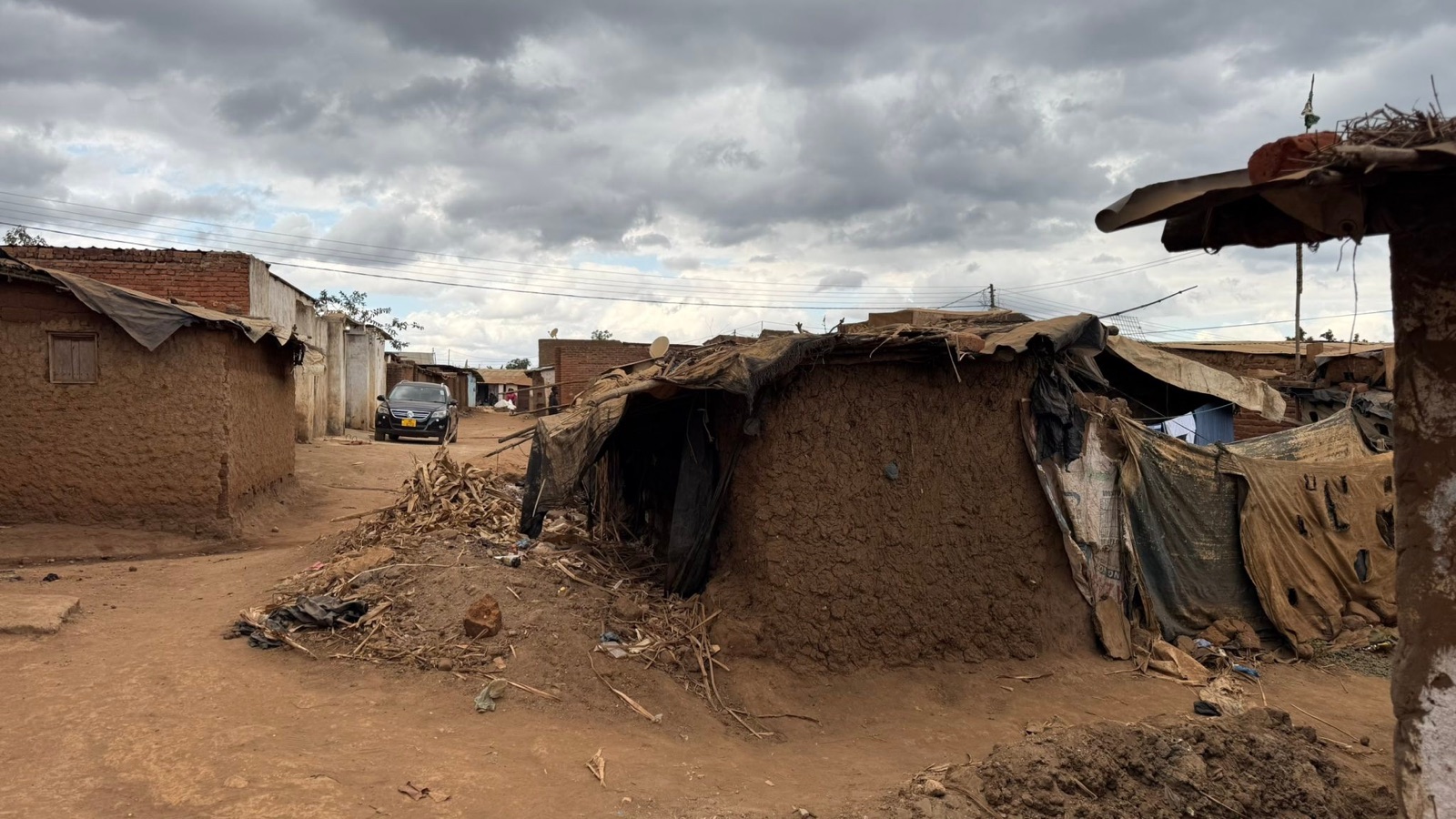
Household conditions in the 2024 MDHS
Dzaleka survey findings on electricity, flooring, water, sanitation, household composition, birth registration, literacy, internet use and health insurance in 2024.
Health
Fertility and family planning in the 2024 MDHS
Survey estimates for fertility, age at first birth, teenage pregnancy, contraceptive use and unmet family-planning need among women in Dzaleka.
Health
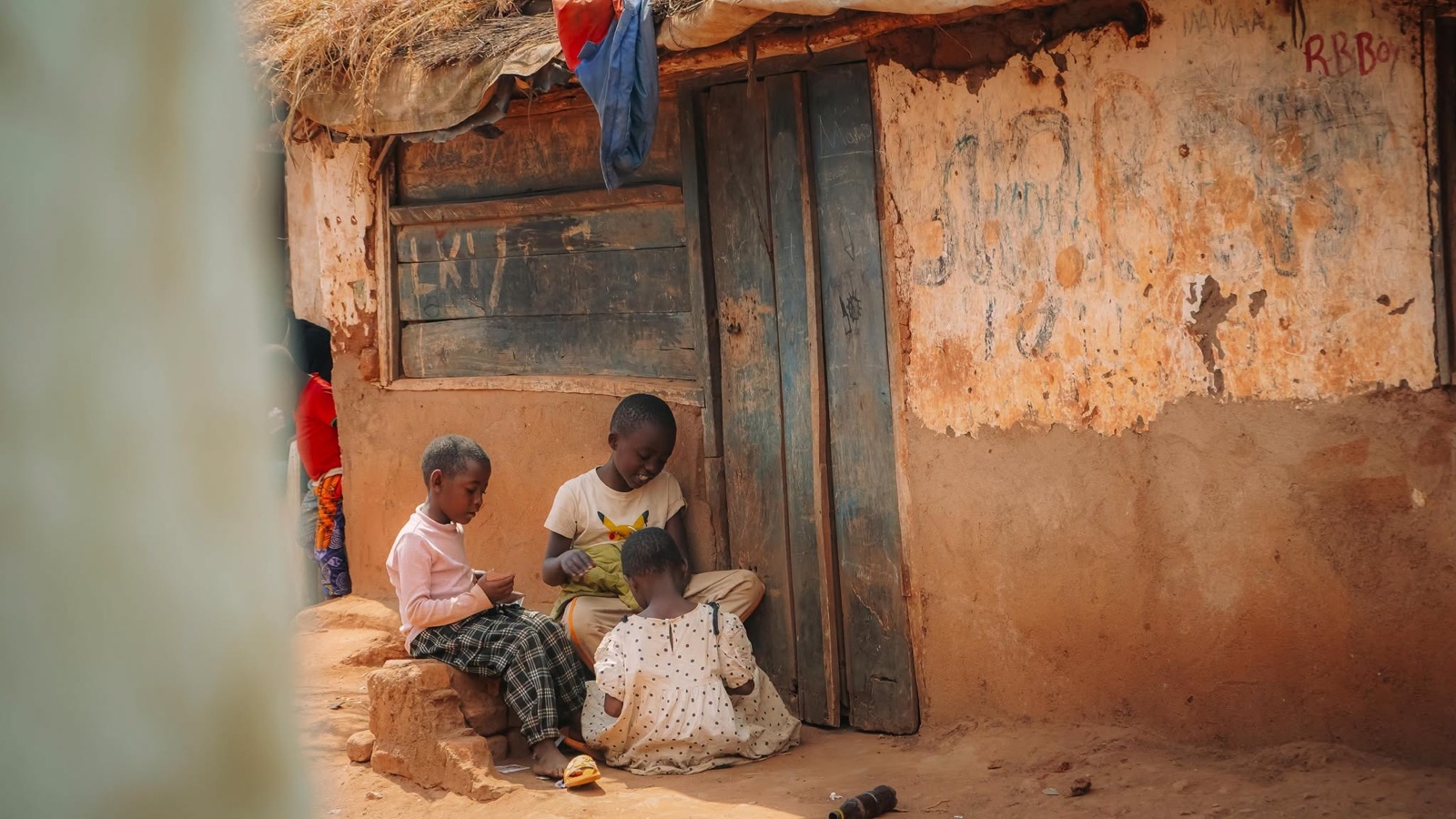
Vaccination, nutrition and anaemia in the 2024 MDHS
Dzaleka estimates for childhood vaccination, HPV vaccination, child growth and anaemia among children and women in the 2024 national health survey.
Health
Maternal health and malaria in the 2024 MDHS
Survey findings on antenatal care, delivery, mosquito-net coverage, malaria prevention during pregnancy and malaria testing among young children in Dzaleka.
Health
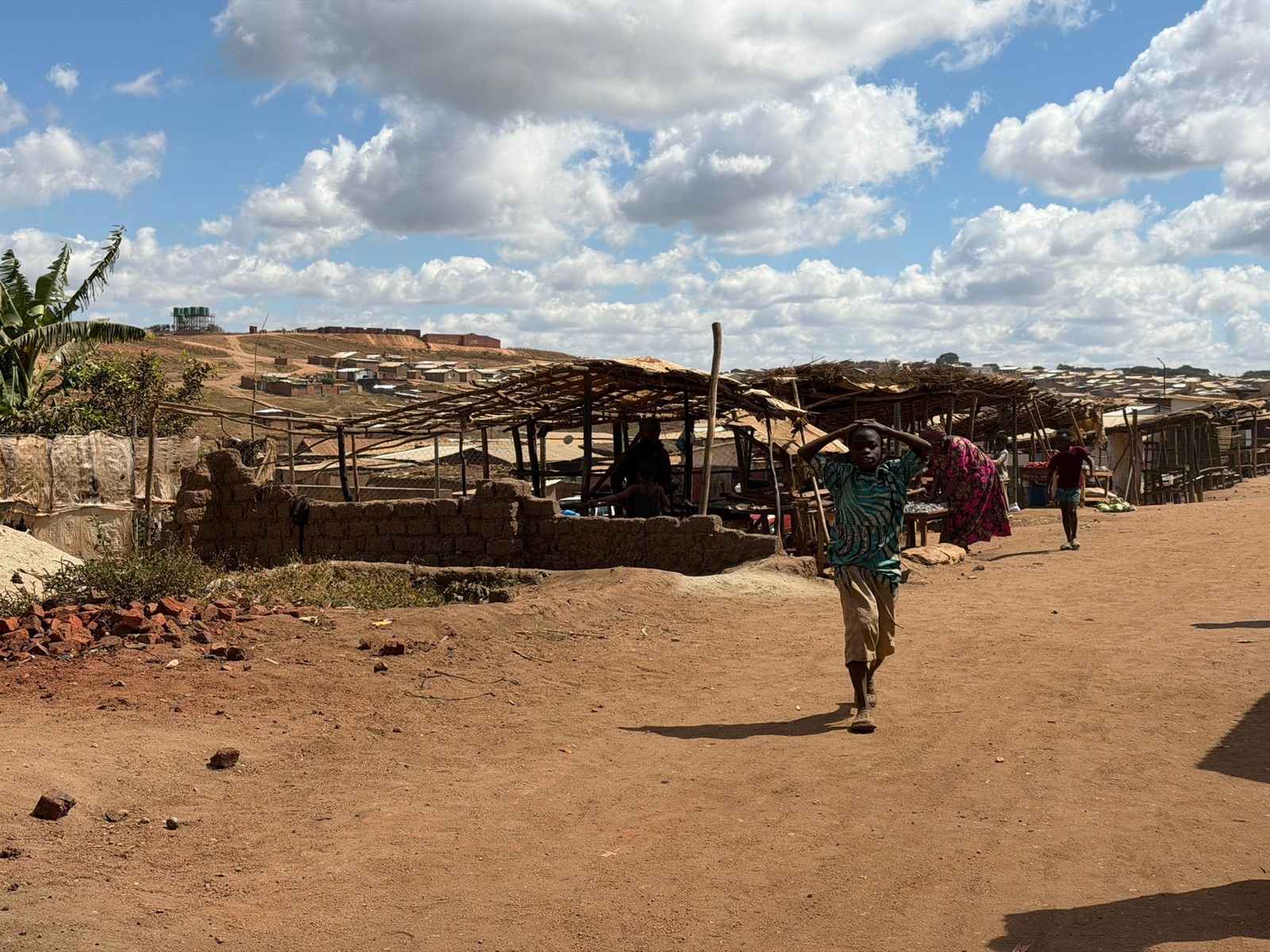
Employment, disability and violence in the 2024 MDHS
Dzaleka survey estimates on employment among currently married adults, functional difficulty among people aged five and older, and women's reported experience of violence.
Help improve this entry
Send a correction, a stronger source, a missing detail, or a photograph. Submissions are reviewed against the encyclopedia's editorial guidance before the public record changes.