I will not do it again
On November 22, police fired tear gas and clashed with refugees when they looted some items from a warehouse after discovering that their names were missing from a distribution list of people who were supposed to receive materials for shelter.
Photographs by Diego Menjíbar Reynés
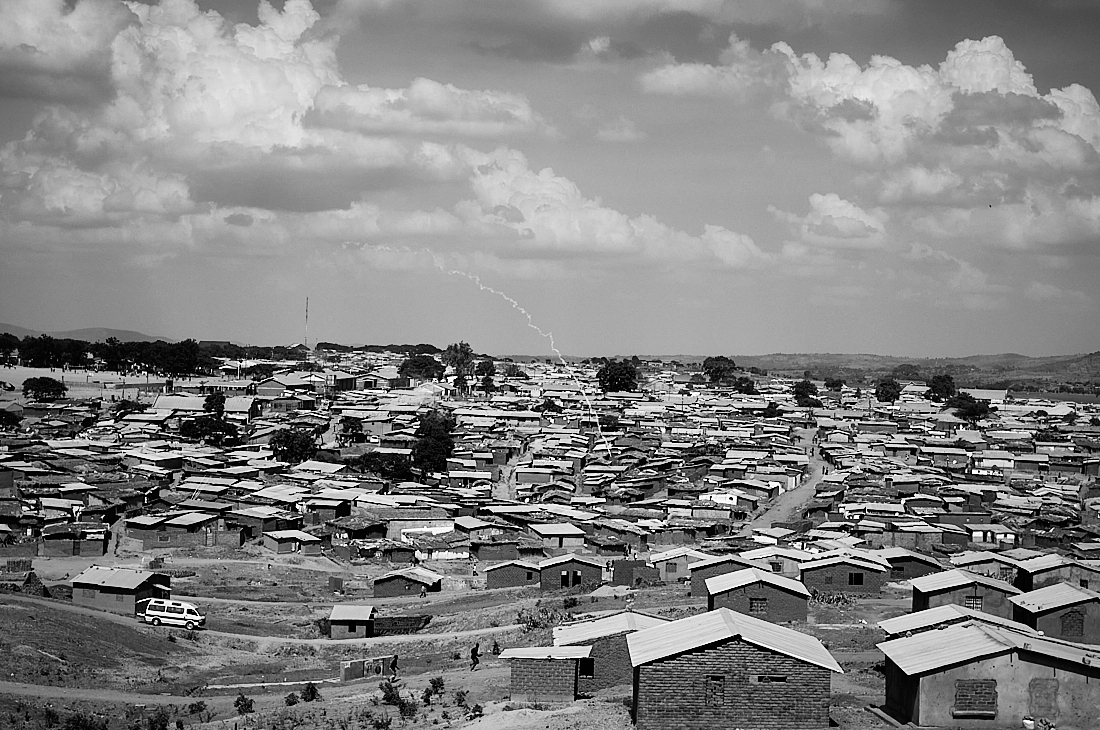
Photo: Diego Menjíbar Reynés
I will not do it again
This image could not load. Try another image or the original link.
About This Photo
An eternal layer of dust lies beneath the feet of the 56,000 people living in Dzaleka, Malawi’s only refugee camp. A road like a surgeon’s incision cuts it in half, leaving on either side the place where refugees from DRC, Rwanda, Burundi or Somalia have made from this labyrinth of short streets and low houses their home. Many have been there for ten, fifteen, twenty years, even more. Others less, but time matters little when they share a common past: fleeing in search of a peace they did not find in their countries. And they don’t seem to find it here either.
In Chichewa, the national language, Dzaleka means ‘I will not do it again’, a very peculiar name for a refugee camp. Now, the Malawi government, citing national security reasons, wants to bring the 8,000 refugees living outside the camp back to Dzaleka in an exercise they have called relocation. The World Food Program (WFP) already warned that it’s running out of food and only has sufficient resources to provide assistance to refugees until February 2023. Human rights institutions, NGOs and stakeholders have warned the government that the camp is suffering from a shortage of basic resources and insecurity. However, the authorities seem determined to go all the way with it.
On November 22, police fired tear gas and clashed with refugees when they looted some items from a warehouse after discovering that their names were missing from a distribution list of people who were supposed to receive materials for shelter. These photos are intended to show the reality of an already overpopulated camp, where the scarcity of basic resources such as food, water or shelter is added to physical insecurity and the risk of contracting diseases due to unhealthy conditions.
Support this photographer - share this work on Facebook.
More from the photo archive
A Man Collects Cardboard After Blanket Distribution
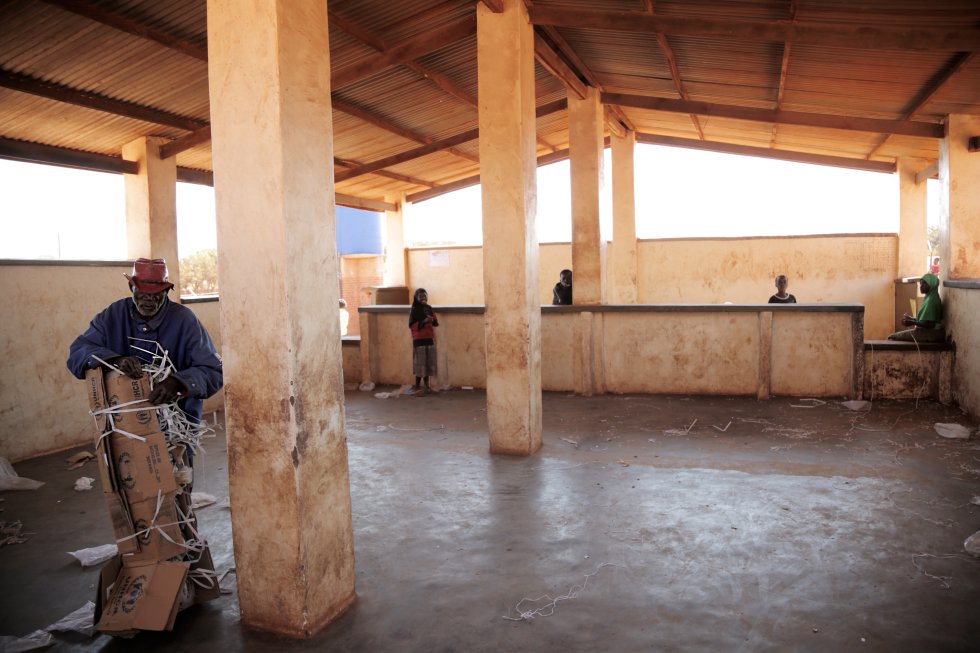
A man collects cardboard from the Dzaleka distribution center after a distribution of blankets and other supplies.
Photo: Carlos Martinez
From Survival to Innovation: Andy's Journey in Dzaleka
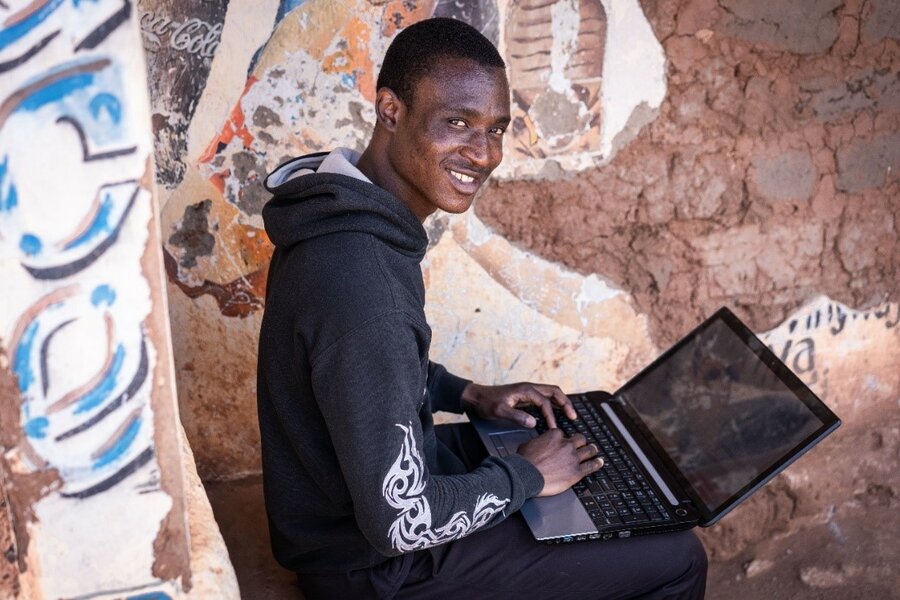
Escaping his past as a child soldier, Andy found refuge in Dzaleka, reunited with his mother, and discovered coding. Now, he dreams of growing his messaging app into something greater.
Photo: Badre Bahaji
Building Hope: The Fight for Work Rights in Dzaleka
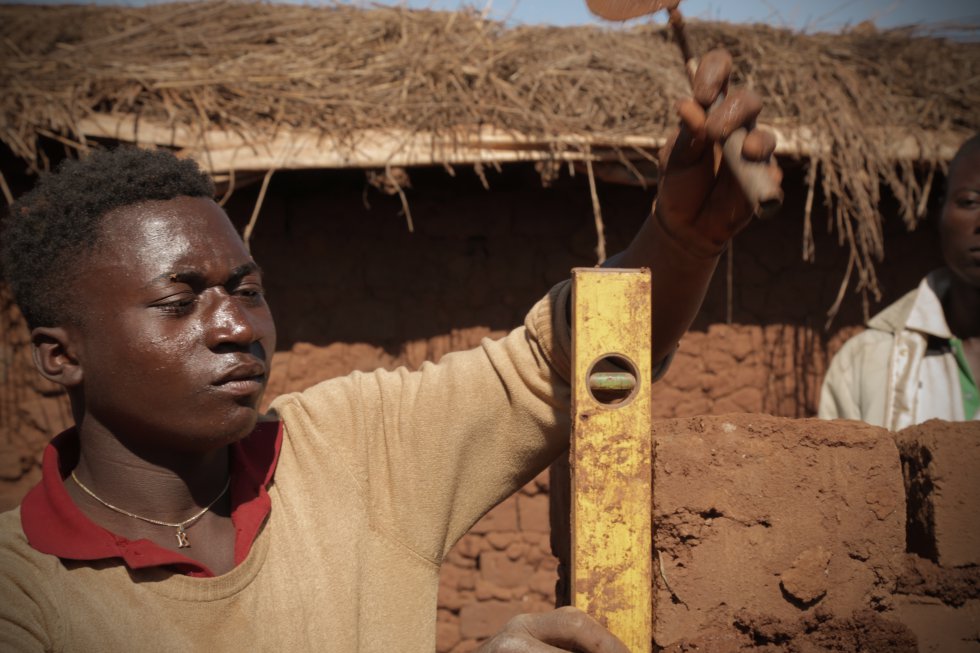
A young man in Dzaleka builds a shelter, highlighting refugees' need for work as a path to dignity and survival.
Photo: Carlos Martinez