Back to news
AnnouncementFeatured
Announcing Dzaleka Metadata Standard (DMS) v1.1.0
DMS v1.1.0 is now available with schema files, CLI workflows, a local web UI, and linked-data export for Dzaleka heritage records.
Bakari Mustafa
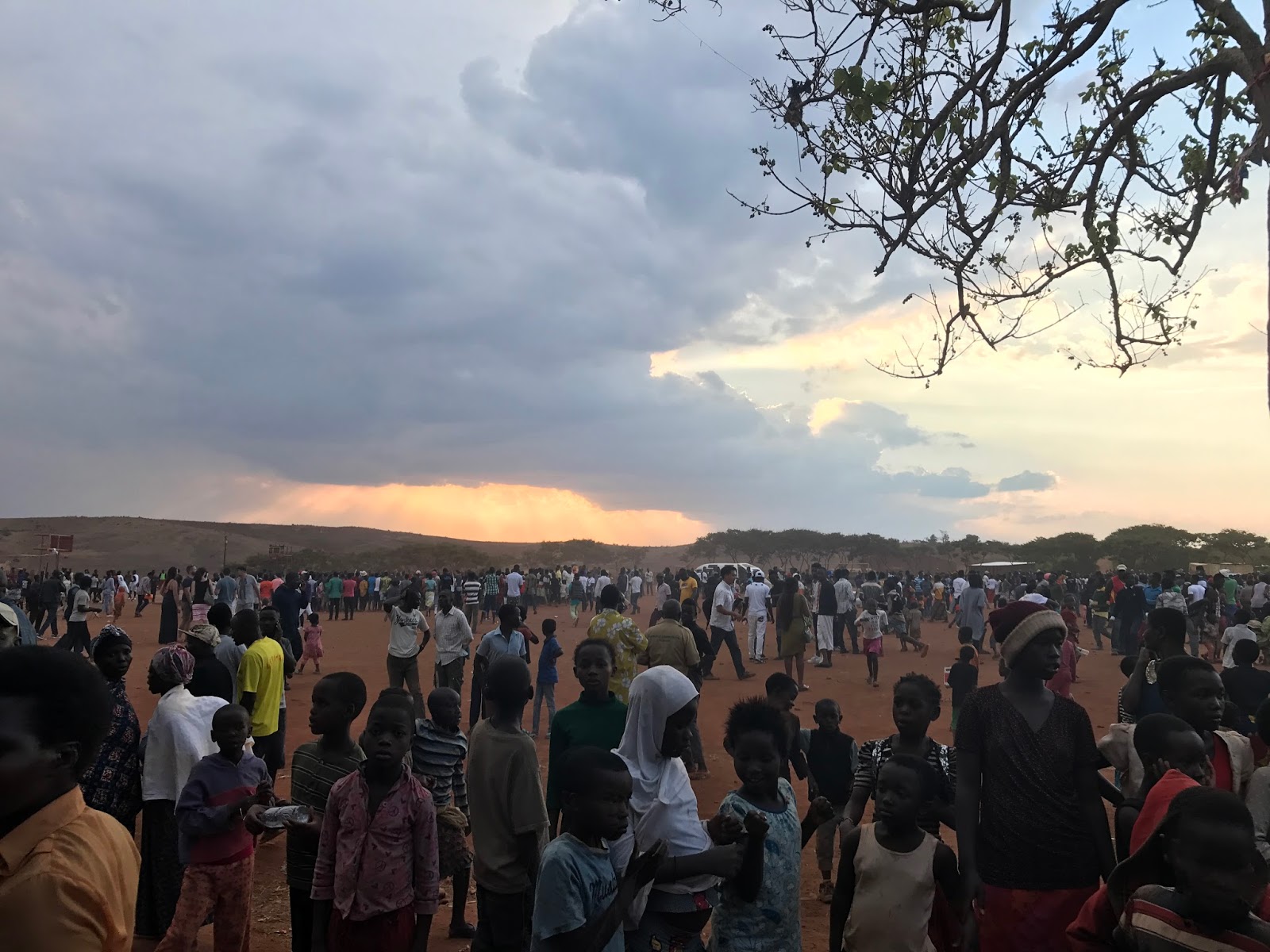
DMS v1.1.0 is now available.
Released publicly in April 2026, Dzaleka Metadata Standard (DMS) v1.1.0 packages the archive standard as both a specification and a working toolkit. The goal is simple: make Dzaleka heritage records easier to describe consistently, validate, search, and export.
For the Dzaleka Heritage Archive, that means a stronger base for working with stories, photos, documents, audio, events, maps, artworks, sites, and poems without relying on ad hoc field names or one-off templates.
What ships in v1.1.0
Schema files in multiple formats
The current public package includes the DMS schema in:
- JSON Schema
- YAML
- JSON-LD
That gives the project a format for validation, a format for documentation and editing, and a format for linked-data export.
A CLI for archive workflows
The documented command-line workflows include:
dms initfor creating a recorddms validatefor checking records against the schemadms searchanddms statsfor reviewing collectionsdms reportfor generating a browsable HTML cataloguedms exportfor producing JSON-LDdms convert csv2jsonfor spreadsheet-based ingestiondms difffor comparing record versions
This is the biggest difference between a metadata document and a metadata toolkit: the standard can be used directly in day-to-day work.
A local web UI and taxonomy service
The package also documents DMS Vault, a local web UI started with:
dms web --port 8080 --dir records/That local interface is paired with a taxonomy API for term lookups, deprecations, change logs, and semantic serializations. In practice, that gives collections work a browser-based entry point instead of forcing everything through raw JSON files.
Linked-data export
The linked-data side of DMS is one of the clearest parts of the current documentation. The project describes mappings to:
- Dublin Core
- FOAF
- BIBO
- Schema.org
- W3C Geo
- SKOS
That does not automatically create interoperability on its own, but it does make DMS records easier to reuse in catalogues, repositories, and other metadata-aware systems.
Supported record types
The current schema overview lists 10 core record types:
- story
- photo
- document
- audio
- video
- event
- map
- artwork
- site
- poem
For Dzaleka, that matters because one standard can cover oral history, community photography, documentary material, public art, and site records without flattening them into a single generic form.
Why this matters for the archive
The strongest case for DMS is consistency. As the archive grows across multiple contributors, collections, and platforms, a shared schema helps keep titles, creators, locations, rights, formats, and relationships readable and reusable.
It also gives the project a clearer path for validation, reporting, and structured export instead of leaving metadata buried in prose or scattered across inconsistent spreadsheets.
Try it
- GitHub repository: Dzaleka-Connect/Dzaleka-Metadata-Standard
- PyPI package: dzaleka-metadata-standard
- Linked-data guide: Linked Data Export
If you want to explore the release as a working tool instead of just reading about it, the CLI and local web UI are the best places to start.
Topics
Tags
#metadata#heritage#linked-data#dms#open-source
Continue reading
More news
Announcement
Dzaleka Online Services Team
Tumaini Festival Cancelled for 2026
Tumaini Festival will not take place in 2026 due to funding challenges, with organisers planning a return to Dzaleka in 2027.
Read article
AnnouncementFeatured
Dzaleka Online Services Team
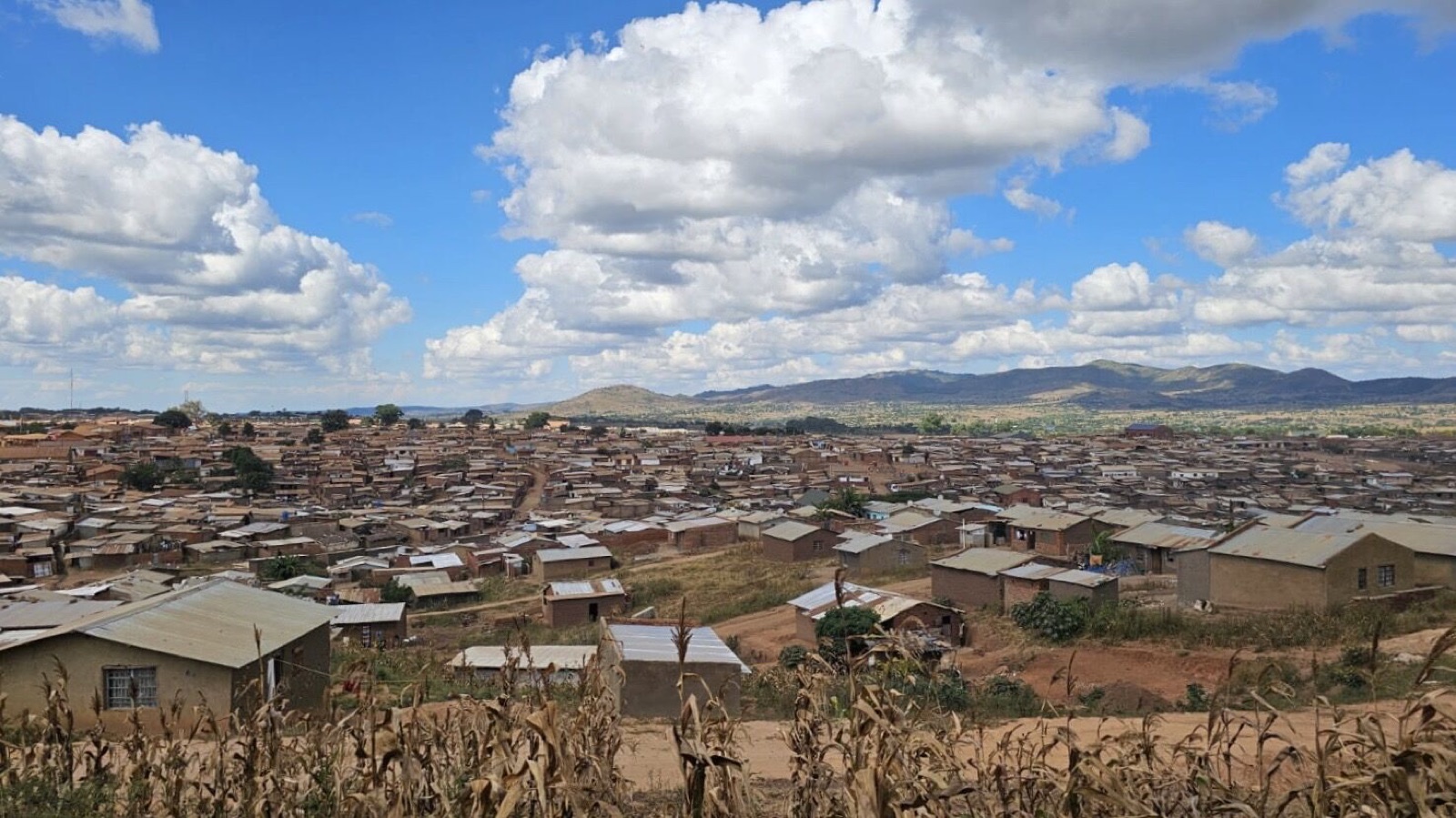
Introducing the Dzaleka Encyclopedia
A new sourced reference brings together Dzaleka's history, people, institutions, culture, services, law, health, education, infrastructure, and public life.
Read article

AnnouncementFeatured
Dzaleka Online Services
Introducing DzalekaPay beta
DzalekaPay beta brings payment links, QR payments, storefronts, event tickets, campaign pages, and merchant records to sellers and organisers in Dzaleka.
Read article