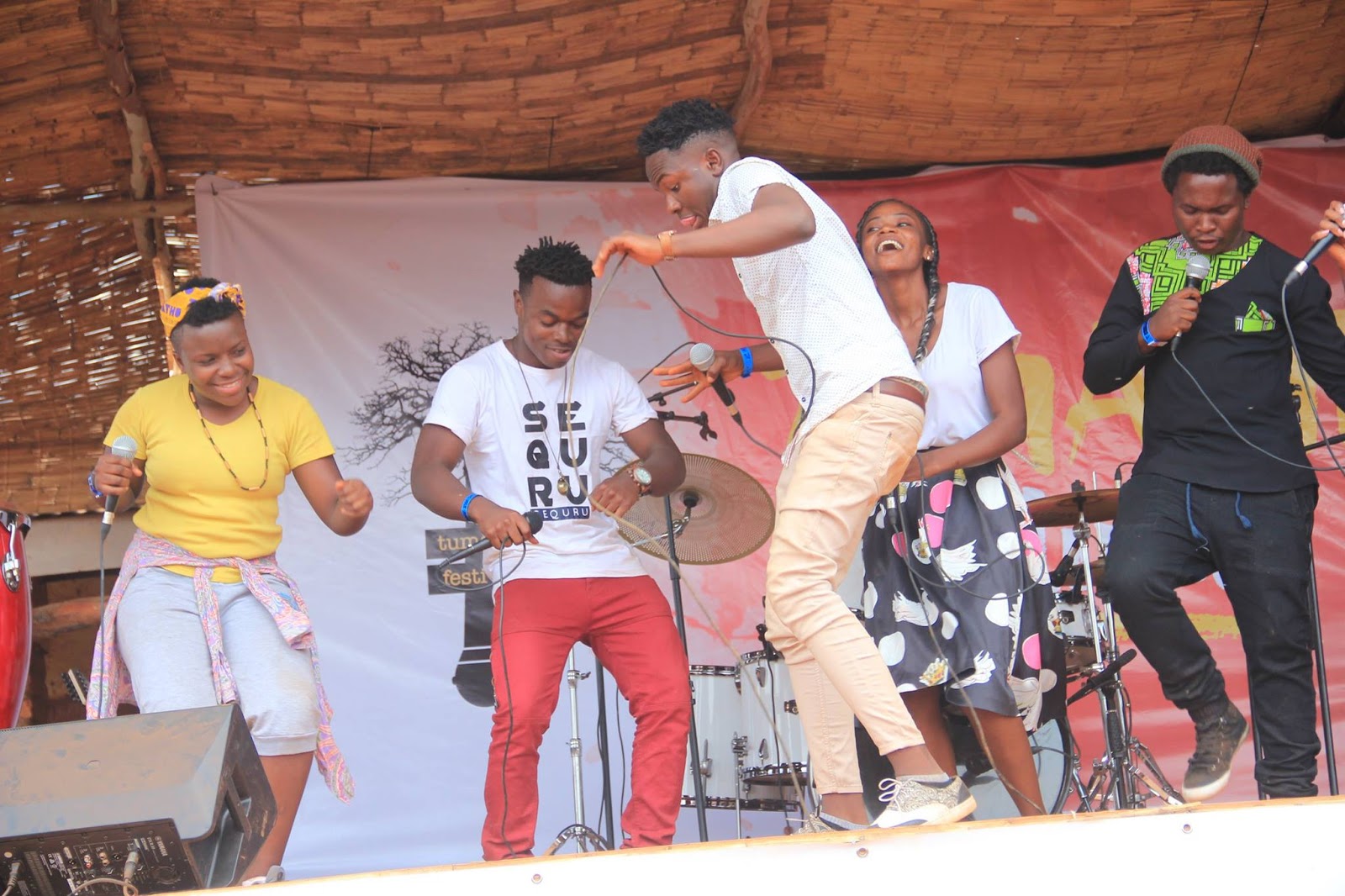
Performers crowd the stage during Tumaini Festival, with the audience pressed close to the front.
Photo by Matt Smith
Photo storyAdapted sourceTumaini FestivalDzalekaPhoto EssayArchiveRefugee Life
Tumaini Festival at Dzaleka, 2017
An adapted reading of Matt Smith's 2017 visit to Dzaleka, following the festival crowd, the camp's everyday streets, and the uneasy question of what it means to arrive, look, and leave.
Published: November 5, 2017
Author: Dzaleka Online Services
Adapted from Matt Smith's November 2017 post
Images: 6
Photo credit: Matt Smith
Photo log
Story images
5 images
Section 01
Photo Essay
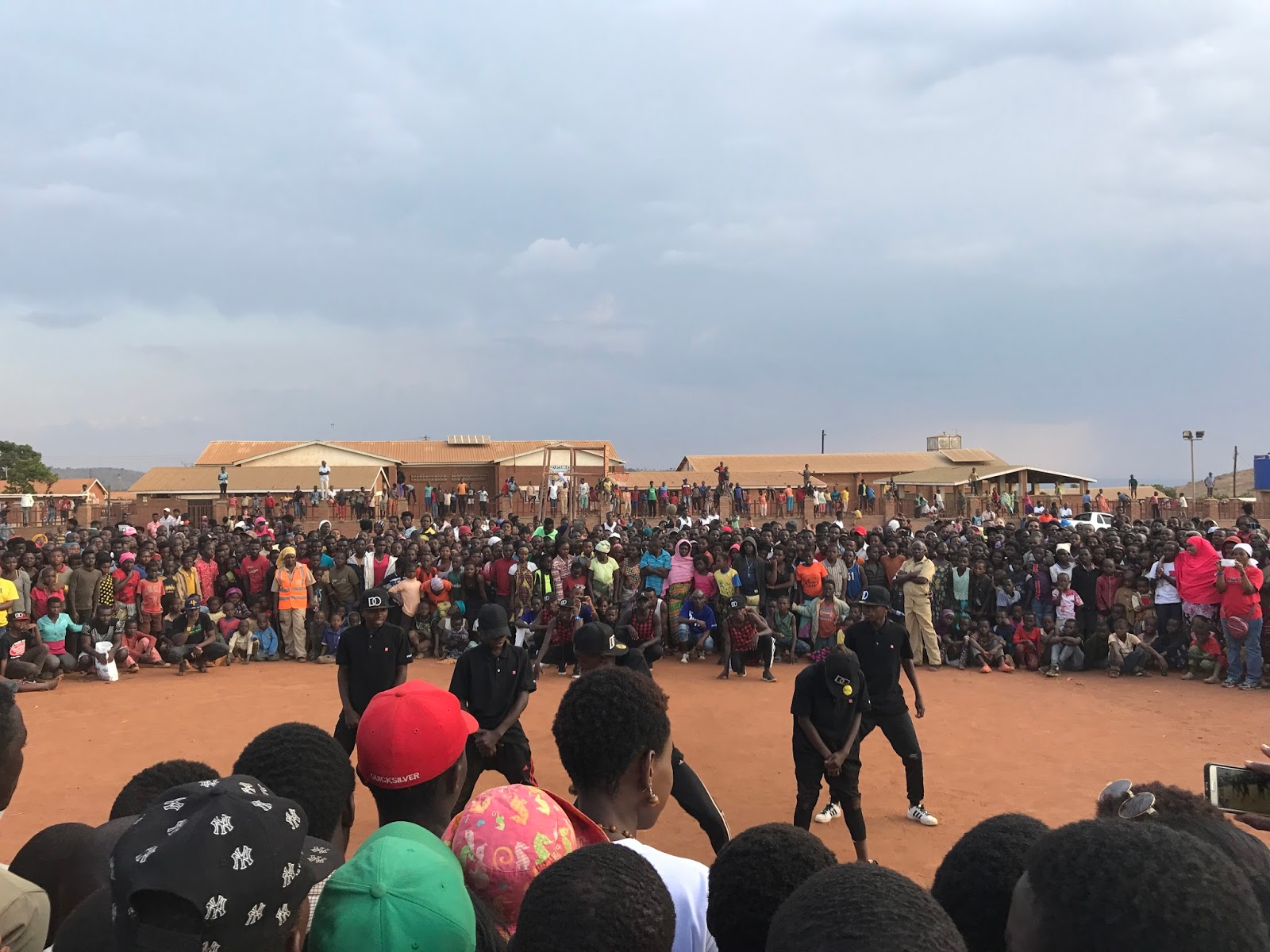
A dance circle forms in the middle of the crowd, with spectators stacked several rows deep.
Smith arrives at Tumaini Festival on 4 November 2017 and is met first by noise, dust, and sheer numbers. His photographs show a crowd packed tight around dancers and musicians, with children at the front and spectators stretching back toward the buildings behind them. In his account, Tumaini is both celebration and fundraiser. Those two purposes do not compete; they sit in the same frame.
Section 02
The article does not stay on the stage for long. Smith keeps returning to the pressure of the place itself. Dzaleka, he writes, had been built for about 9,000 people but was then holding more than three times that number, including refugees from the Democratic Republic of the Congo, Burundi, Somalia, and elsewhere. The festival happens inside that overcrowding, not outside it.
Section 03
Photo Essay
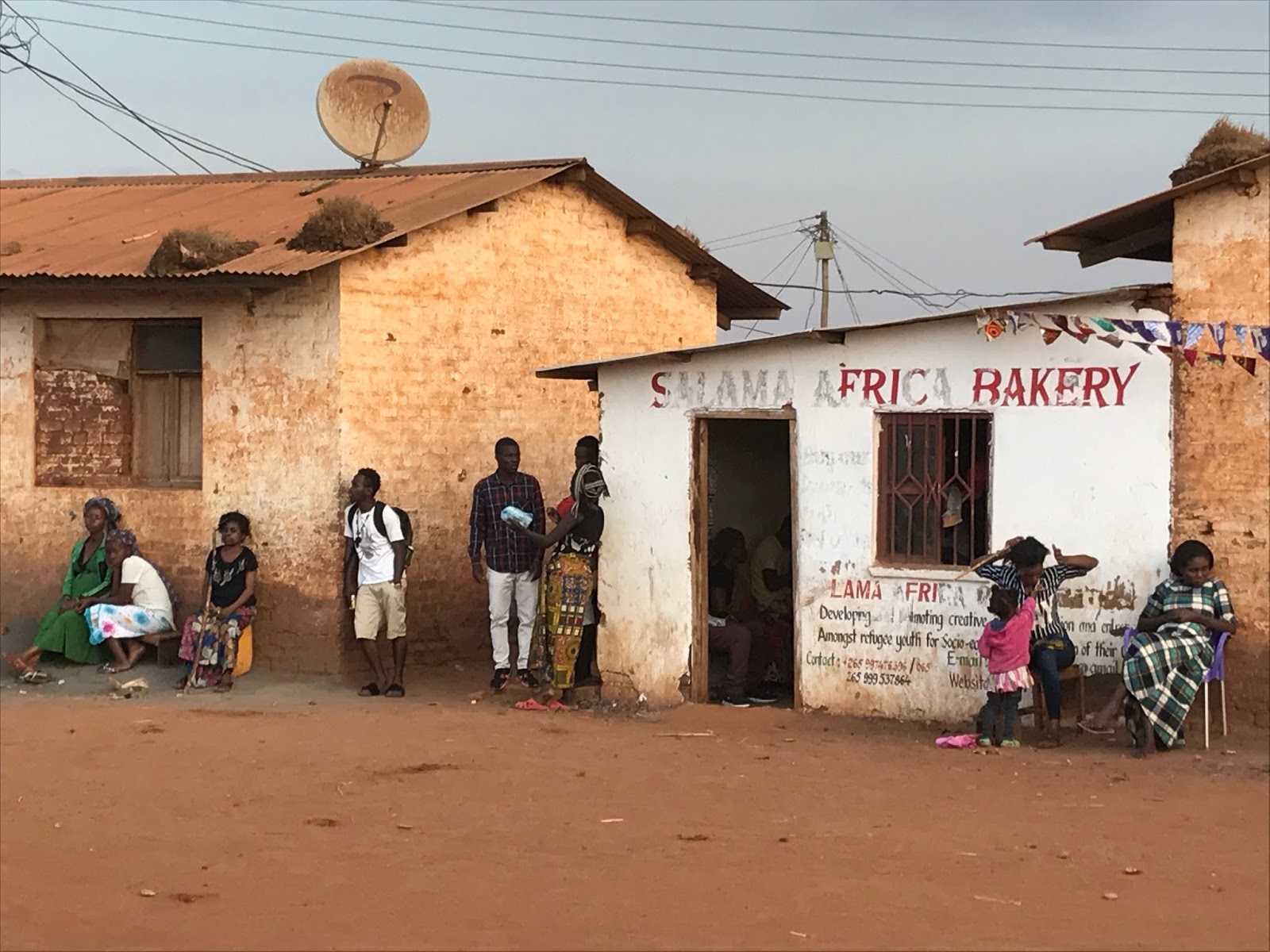
Shama Africa Bakery anchors the article's attention to ordinary routines inside the camp.
Walking through the camp, he notices bakeries, bars, schools, basketball courts, and hand-painted shopfronts. That walk matters as much as the performances. It shifts the piece from spectacle to routine. The post becomes about a place where people buy bread, sell goods, meet friends, and keep working, even though the settlement is supposed to be temporary and has already become long-term.
Section 04
Photo Essay
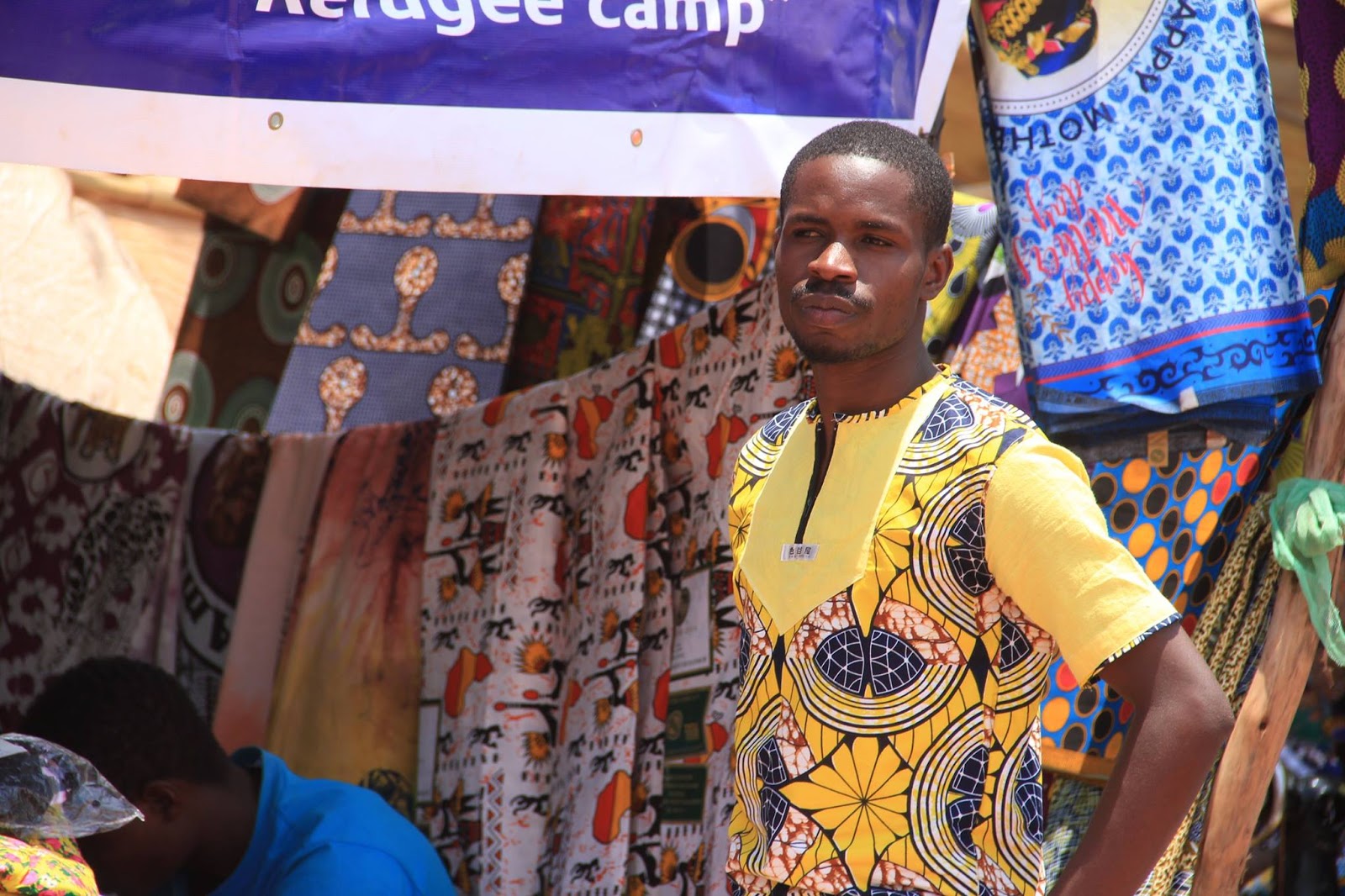
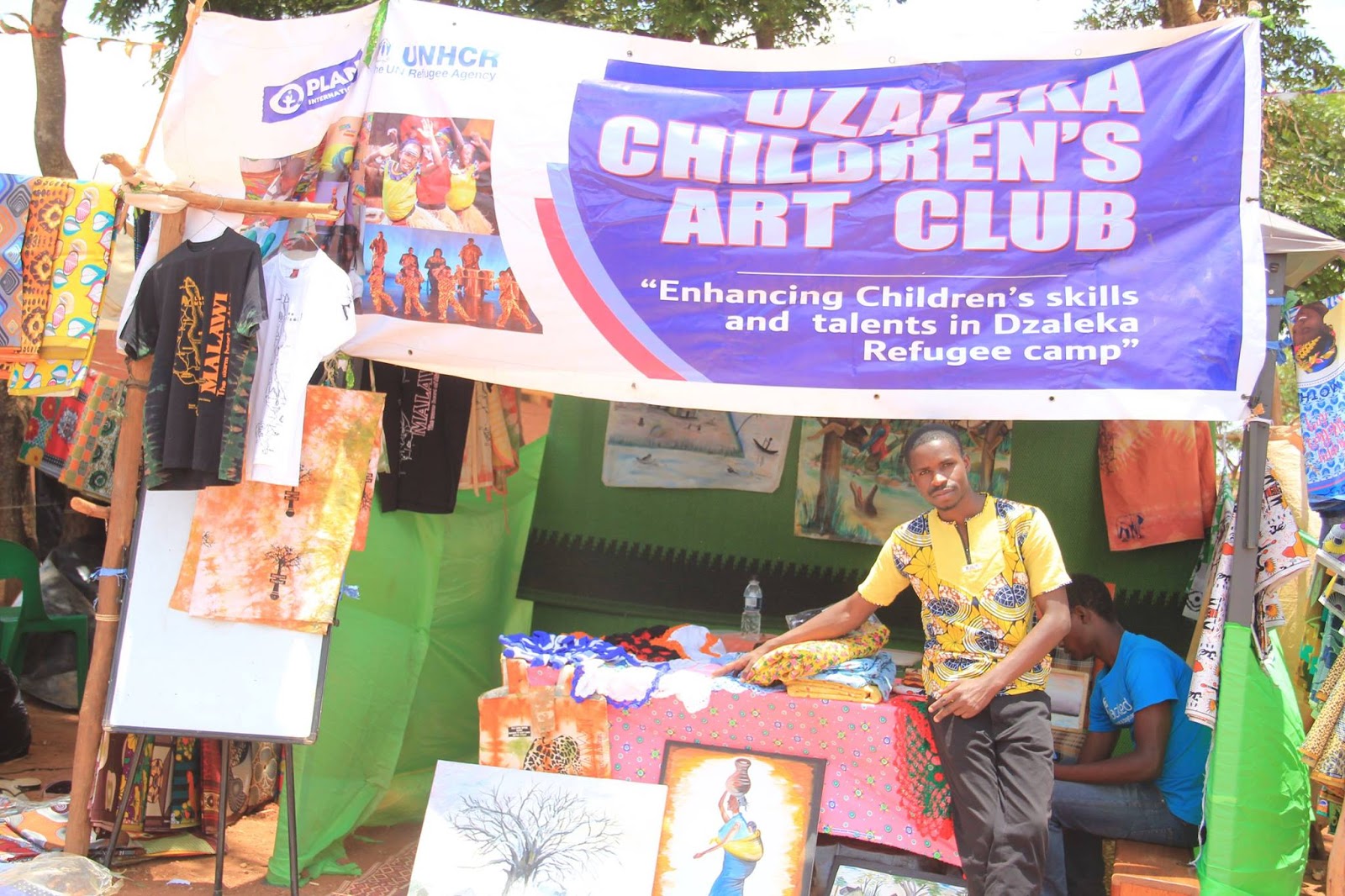
One vendor stands amid printed cloth and artwork, a reminder that the festival is also a working market.
The stalls carry some of the same tension. They are colorful and busy, but they are not decorative props. They are livelihoods. Smith photographs paintings, printed fabric, and the children's art club display, and the images hold on the fact that a public event is also made from small transactions, local pride, and people trying to make a living.
Section 05
Photo Essay
Creative work on display at the festival shows how performance and craft travel together.
What gives the post its edge is that Smith does not pretend to be comfortable. He asks whether a short visit with a camera risks turning the camp into a backdrop for feeling. The question is blunt, and it is the reason the piece still holds. He does not deny the joy of the day, but he does not let joy wash away the unequal terms on which visitors arrive, look, and leave.
Section 06
Photo Essay
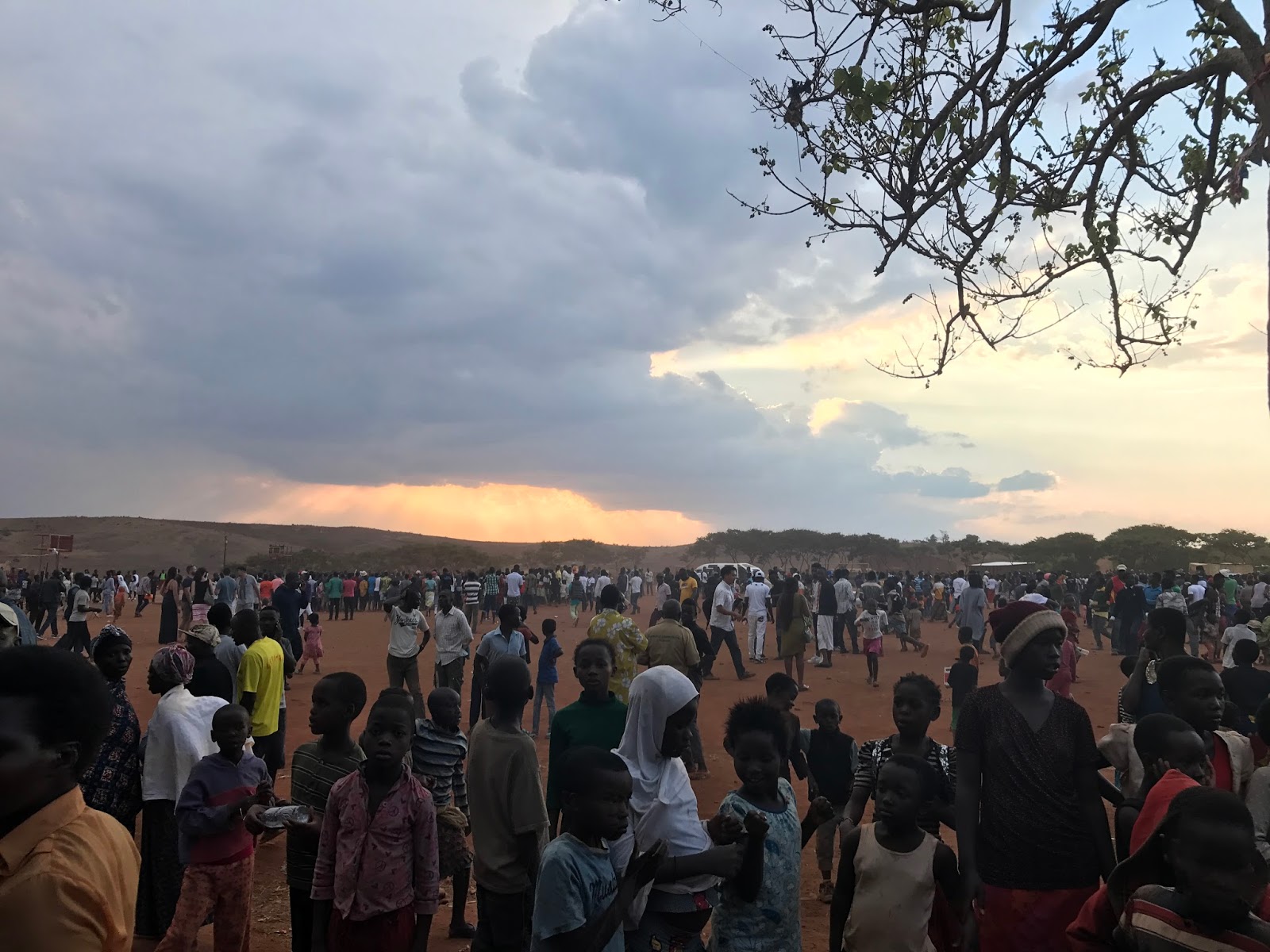
As the light drops, the festival day ends but the material conditions described in the post remain.
The last turn is back to need. The money raised, Smith notes, was meant to help with malaria, water shortages, and food ration cuts. That reminder changes the meaning of the photographs. The crowd, the stage, and the evening light are all real, but so is the reason the fundraiser exists. The article stays with both truths at once: public joy on one side, shortage and displacement on the other.
Source note
Malawi – Raving amongst the refugees
This page is an original archive adaptation based on Matt Smith's post published on November 5, 2017. It paraphrases the reporting and uses the original photos downloaded from the article.
Tags
#Tumaini Festival#Dzaleka#Photo Essay#Archive#Refugee Life
Share