Back to news
Community updateFeatured
Navigating Education Opportunities in Dzaleka Refugee Camp
A comprehensive guide to educational pathways, from early childhood to adult education, available in Dzaleka Refugee Camp, including enrollment information and support resources.
Dzaleka Online Services
Navigating Education Opportunities in Dzaleka Refugee Camp
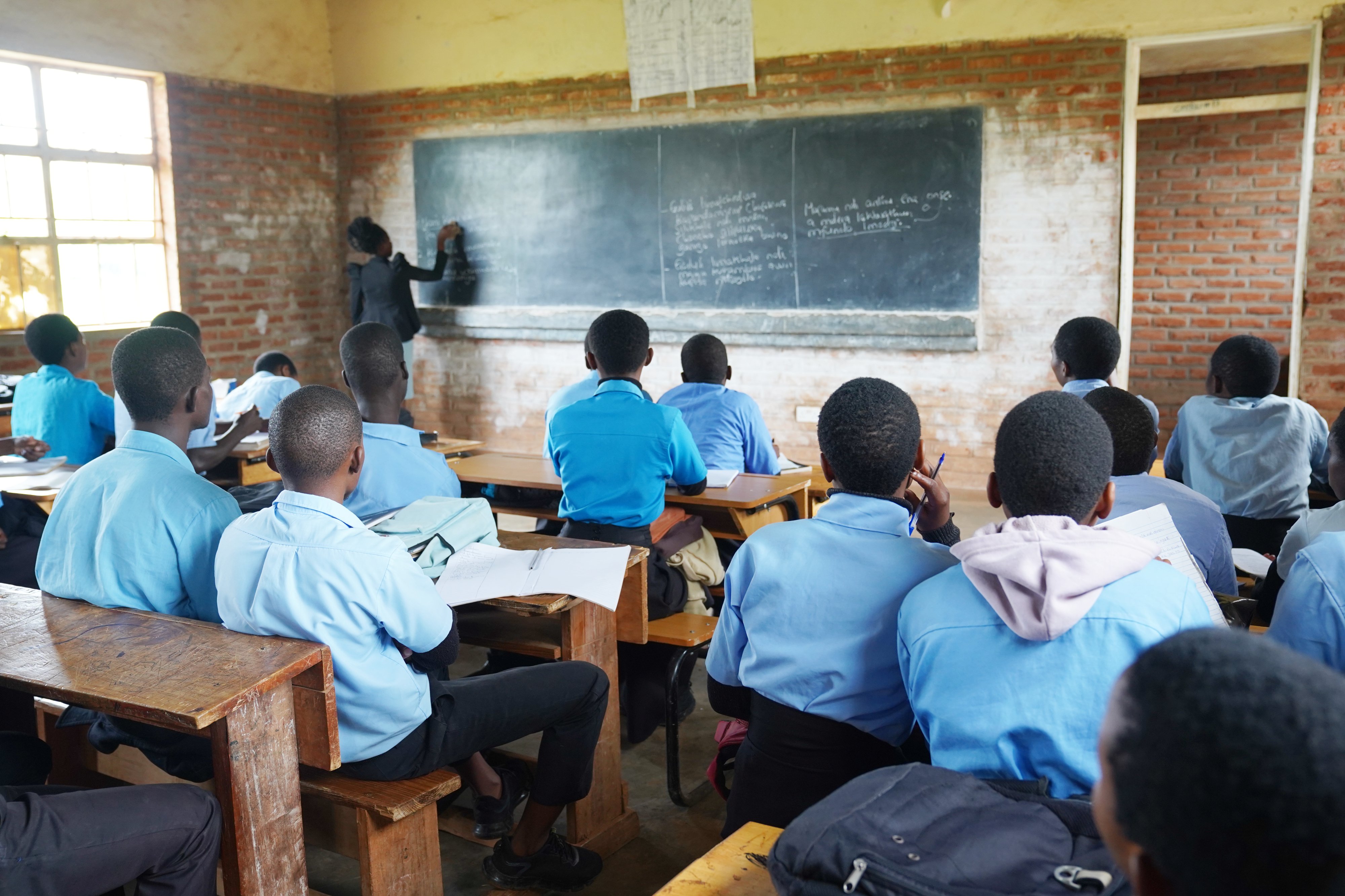
Education is a cornerstone of hope and opportunity for residents of Dzaleka Refugee Camp. Despite challenges such as overcrowding and limited resources, a range of educational pathways exists for children, youth, and adults. Here’s how you can find, enroll in, and support educational journeys in Dzaleka:
Available Schools and Programs
Preschool/Early Childhood Education
- Community-based preschools provide young children with a safe, nurturing start, focusing on social, emotional, and cognitive development through play-based learning.
- Programs help children prepare for primary school and establish routines that foster stability.
Primary Education
- Primary schools in Dzaleka follow the Malawian national curriculum, teaching literacy, numeracy, and life skills in both Chichewa and English.
- Despite high demand and overcrowded classrooms, efforts are made to include as many children as possible, with special programs for out-of-school children.
Secondary Education
- Secondary schools offer formal education aligned with national standards, preparing students for national exams and further study.
- Space is limited, so not all primary graduates can continue. Alternative and remedial programs exist for those who missed earlier education.
Post-Secondary & Vocational Training
- Opportunities include certificate and degree programs through partnerships with universities and online platforms, as well as vocational training in trades like tailoring and entrepreneurship.
- Vocational programs are especially important for youth and women, equipping them with practical, marketable skills.
Adult Education
- Adult literacy and continuing education programs are available, helping adults gain essential skills for daily life and employment.
Scholarships and Support
- Some organisations and initiatives offer scholarships and academic support for secondary and post-secondary studies, including financial aid and mentorship.
- Special projects like the Naweza Project focus on empowering girls and improving access to education through sanitary packs, WASH facilities, and community engagement.
How to Enroll or Support a Child’s Learning Journey
-
Visit the Nearest School or Learning Center:
Ask about enrollment periods, required documents, and available space. -
Contact Community Education Partners:
Organisations such as Jesuit Refugee Service (JRS), UNHCR, and local NGOs can provide information on programs and scholarships. -
Apply Early:
Due to high demand, enroll as soon as possible and follow up regularly. -
Support Attendance:
Encourage regular attendance, help with homework, and participate in school meetings or parent groups. -
Explore Alternative and Supplementary Programs:
For those unable to access formal schooling, look for community-based education, tablet-based learning, or vocational programs.
Overcoming Barriers
- Dzaleka’s education system faces significant challenges: overcrowded classrooms, limited infrastructure, and shortages of teachers and materials.
- Community and international partners are working to expand access, improve quality, and address gender disparities.
- Your involvement—as a student, parent, or supporter—makes a difference in overcoming these barriers and building a brighter future for all.
Your involvement—whether as a student, parent, or supporter—contributes to building a brighter future for Dzaleka’s residents. For more information about educational opportunities, visit the education resources section on Dzaleka Online Services or contact local education partners in the camp.
Continue reading
More news

Community updateFeatured
Dzaleka Online Services
NMU to Host Refugee Art Gala to Raise Money for Starlink System
Northern Michigan University's Refugee Outreach Collective is hosting an art gala featuring Dzaleka refugee artwork and live jazz to fund a Starlink system for virtual education access.
Read article
Community updateFeatured
Dzaleka Online Services
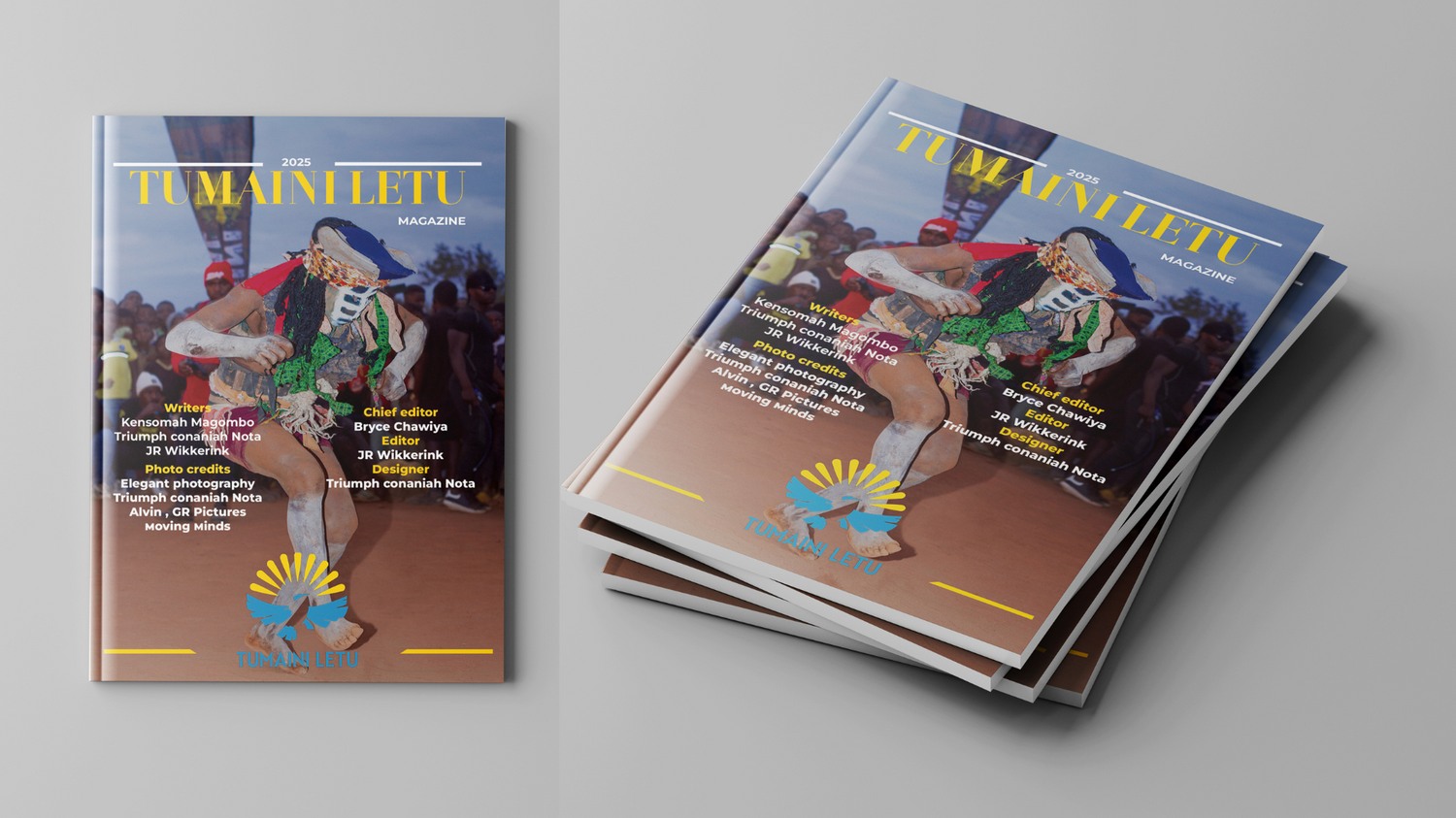
Tumaini Letu Magazine 2025: Highlights of Creativity, Advocacy, and Impact
An independent highlight of the 2025 Tumaini Letu Magazine, featuring refugee stories, creative achievements, and program impact from Dzaleka Refugee Camp.
Read article

Community updateFeatured
Dzaleka Online Services
Finding Jobs and Volunteer Opportunities in Dzaleka
A comprehensive guide to employment and volunteer opportunities in Dzaleka Refugee Camp, featuring current job openings, volunteer positions, and organisations offering work opportunities.
Read article