Back to news
Business guide
Entrepreneurship and Small Business Resources in Dzaleka
A comprehensive guide to entrepreneurship training, micro-grants, and business opportunities for refugees in Dzaleka Camp
Dzaleka Online Services Team
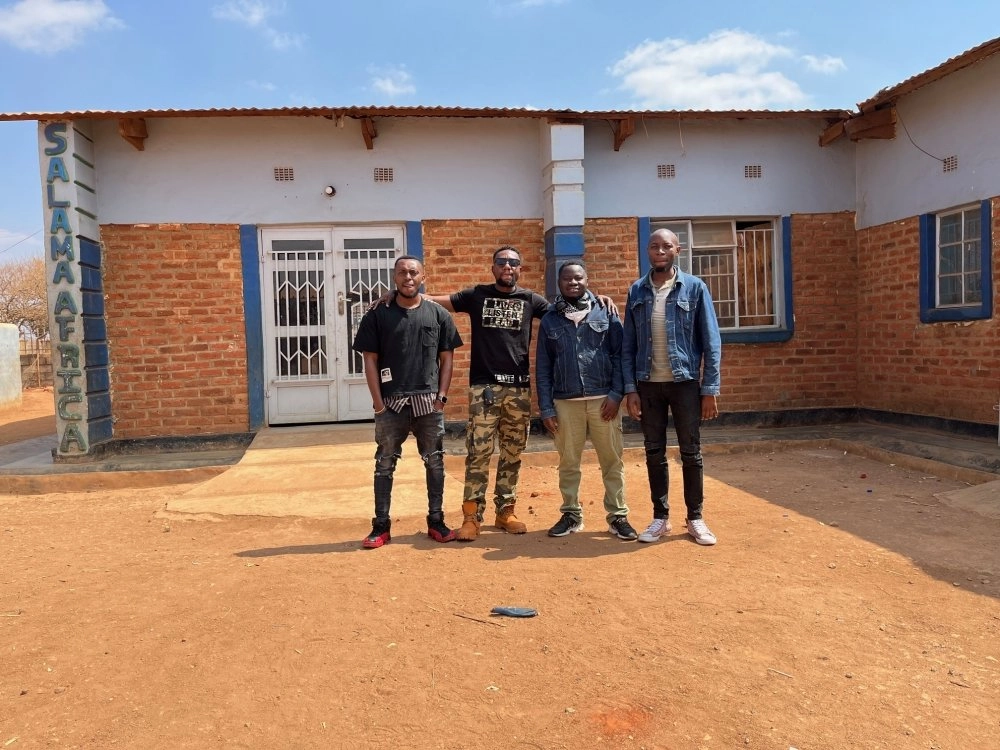
Entrepreneurship and Small Business Resources in Dzaleka
In the face of challenging circumstances, refugees in Dzaleka Camp have demonstrated remarkable resilience and creativity through various entrepreneurial initiatives. This guide provides information about available resources and opportunities for those looking to start or grow their businesses.
Training and Education Opportunities
TakenoLAB ICT Academy
Located just outside the Dzaleka Camp gates, TakenoLAB offers free courses in:
- Digital skills
- E-lancing
- Entrepreneurship
- Business development
Founded in 2015 by Burundian refugee Remy Gakwaya, who lived in the camp for over two decades before being resettled in the United States in 2022, TakenoLAB continues to thrive under the local direction of Deborah Ntakirutimana. The academy’s impact is significant, with students describing it as a place that “made our dreams come true” and “took us from zero to hero.”
Business Development Programs
Several organisations offer entrepreneurship training programs:
- 6-month entrepreneurship courses with business proposal development
- Market analysis training
- Financial management workshops
- Digital skills development
Success Stories and Initiatives
Salama Africa
Founded in 2014 by Congolese brothers Toussaint and Fred Farini, Salama Africa has grown from a dance group to a comprehensive arts organisation offering:
- Professional dance training
- Drawing classes
- Photography workshops
- Videography training
- Technology skills development
The organisation has gained international recognition and helps young dancers gain visibility and income opportunities.
Umoja Women Craft
An association of fifteen women (ages 40-60) who:
- Weave traditional Burundian baskets
- Use sisal and recycled plastic bags
- Preserve cultural traditions
- Generate sustainable income
Music Production Studio
Run by David Bin Wakandwa and Fadhili Aoci, this initiative:
- Provides music production services
- Offers recording opportunities for camp musicians
- Generates income for the founders
- Developed through online courses and YouTube tutorials
Photography Training
Led by Congolese photographer Primo Luanda Bauma, this program:
- Offers free photography classes
- Provides artistic expression opportunities
- Teaches marketable skills
- Helps youth find purpose and direction
Cultural Entrepreneurship
Tumaini Festival
Founded by Trésor Nzengu Mpauni (Menes La Plume), this annual event:
- Attracts thousands of visitors
- Features music, dance, poetry, and theater
- Provides a platform for selling arts and food
- Promotes cultural exchange
- Has received international recognition
Miss Culture Dzaleka
An annual beauty pageant that:
- Showcases cultural pride
- Provides professional development
- Creates networking opportunities
- Promotes community engagement
Funding and Support
Micro-Grant Opportunities
Recent initiatives include:
- Business proposal competitions
- $1,000 grants for top proposals
- Equipment and material support
- Technical assistance
Success Stories
Recent agricultural business startups have shown promising results, with many entrepreneurs using their grant funding to launch sustainable farming initiatives.
Business Categories
Traditional Businesses
- Food services
- Retail shops
- Artisan crafts
- Cultural products
Digital Businesses
- Online services
- Digital content creation
- E-commerce
- Remote work opportunities
Support Services
Community Support
The camp’s entrepreneurial ecosystem thrives through:
- Integration of refugees and Malawian citizens in programs
- Support from UNHCR and local government
- Recognition from district leadership
- Community-based initiatives
Educational Support
As noted by UNHCR Education Officer Priscilla Kalumo, initiatives like TakenoLAB are:
- Adding critically needed capacity to the camp
- Helping UNHCR and the Malawi government reach their goals
- Increasing tertiary education opportunities
- Providing training for both camp residents and Malawian citizens
Cultural Integration
Programs like the Tumaini Festival help by:
- Bringing visitors into the camp
- Creating opportunities for direct interaction
- Showcasing refugee talents and skills
- Building bridges between communities
Success Factors
-
Community Integration
- Programs open to both refugees and Malawian citizens
- Breaking down barriers between communities
- Creating opportunities for direct interaction
- Building mutual understanding
-
Cultural Preservation and Innovation
- Maintaining cultural traditions (like Umoja Women’s traditional basket weaving)
- Adapting to new circumstances (using recycled materials)
- Creating new cultural expressions (like Salama Africa’s dance group)
- Sharing cultural heritage with the wider community
-
Youth Empowerment
- Providing purpose and direction for young people
- Teaching marketable skills
- Creating opportunities for artistic expression
- Building leadership capabilities
-
Resourcefulness
- Using available materials creatively
- Learning through online resources
- Developing skills through practice
- Building on existing talents
-
Community Leadership
- Refugee-led initiatives
- Local direction and management
- Mentorship and training
- Building sustainable programs
Getting Started
Training and Education
-
Join TakenoLAB
- Enroll in free courses in digital skills, e-lancing, and entrepreneurship
- Participate in the 6-month entrepreneurship program
- Develop a business proposal
- Compete for micro-grants ($1,000 available for top proposals)
-
Arts and Culture Programs
- Join Salama Africa for dance, drawing, photography, or videography training
- Participate in the Tumaini Festival to showcase your talents
- Learn traditional crafts through programs like Umoja Women Craft
- Develop music production skills at the camp’s recording studio
Building Your Business
-
Start Small
- Begin with your existing skills and cultural knowledge
- Use available materials creatively (like recycled plastic bags for crafts)
- Learn from online resources and YouTube tutorials
- Build on community connections
-
Find Your Path
- Traditional businesses (food services, retail, crafts)
- Digital services (online work, content creation)
- Cultural enterprises (arts, music, dance)
- Educational initiatives (training, workshops)
-
Community Support
- Connect with existing programs
- Participate in community events
- Build relationships with both refugee and Malawian communities
- Seek mentorship from successful entrepreneurs
Success Stories to Learn From
- TakenoLAB Graduates: Students who transformed their skills into businesses
- Salama Africa: Started as a dance group, now a comprehensive arts organisation
- Umoja Women Craft: Traditional basket weaving adapted to new materials
- Music Production Studio: Self-taught skills turned into a business
- Photography Training: Using artistic skills to create opportunities
Resources
Related Resources
- Dzaleka Livelihoods Survey 2022
- Refugee Entrepreneurship in Malawi
- Economic Impact Study
- Literacy and Vocational Skills
Available Services
- TakenoLAB - Digital skills and entrepreneurship training
- Salama Africa - Arts and cultural training
- Umoja Hand Craft Project - Traditional crafts
- Dzaleka Art Project - Arts and cultural initiatives
- Tumaini Festival - Cultural events and opportunities
Upcoming Events
- Tumaini Festival 2025 - Major cultural event
For more detailed information about specific programs, services, and opportunities, visit our Services Directory or check our Events Calendar.
Conclusion
Entrepreneurship in Dzaleka Camp continues to grow, with numerous success stories demonstrating the potential for business development. As noted by UNHCR Education Officer Priscilla Kalumo, these initiatives are “adding critically needed capacity to the camp” and helping both UNHCR and the Malawi government reach their goals of increasing opportunities for camp residents and Malawian citizens.
For more information about specific programs and opportunities, visit our Services directory or contact the relevant organisations directly.
This article is part of our ongoing series about resources and opportunities in Dzaleka Camp. For more information, explore our other guides on education, employment, and community services.
Sources
- Gilman, Lisa. “Refugee Creativity, Fun, and Initiative at Dzaleka Refugee Camp in Malawi.” Wilson Center, October 7, 2024. https://www.wilsoncenter.org/article/refugee-creativity-fun-and-initiative-dzaleka-refugee-camp-malawi
Continue reading
More news

Business guideFeatured
Dzaleka Online Services Team
How to Register a Company in Malawi: A Step-by-Step Guide
A comprehensive guide to registering your business in Malawi using the online MBRS portal
Read article
AnnouncementFeatured
Dzaleka Online Services Team
Introducing the Dzaleka Encyclopedia
A new sourced reference brings together Dzaleka's history, people, institutions, culture, services, law, health, education, infrastructure, and public life.
Read article
AnnouncementFeatured
Dzaleka Online Services
Introducing DzalekaPay Beta
DzalekaPay beta brings payment links, QR payments, storefronts, event tickets, campaign pages, and merchant records to sellers and organisers in Dzaleka.
Read article